A lobby can look polished at 8:00 a.m. and still tell a different story by lunchtime. Smudged glass doors, overflowing restroom bins, tracked-in sand, and fingerprints at the reception desk all shape how clients, tenants, and employees experience your business. A clear commercial cleaning scope prevents those details from becoming someone else’s problem.
For offices, retail spaces, medical-adjacent waiting areas, rental properties, and shared work environments, cleaning is not simply a matter of showing up with supplies. It is an agreement about what gets cleaned, how often it gets cleaned, which areas require extra attention, and how concerns are handled. The right scope helps you protect your facility, set realistic expectations, and pay for service that fits the way your space is actually used.
What Is a Commercial Cleaning Scope?
A commercial cleaning scope is the written description of cleaning duties for a business or property. It should identify the rooms and surfaces included, the cleaning tasks performed, the service frequency, and any work that requires a separate quote or scheduled deep clean.
This document may be called a scope of work, cleaning checklist, or service specification. The name matters less than the clarity. If a task is not discussed, it can be easy for a customer to assume it is included and for a cleaning team to assume it is not. That is where frustration starts.
A useful scope is specific enough to guide each visit without becoming needlessly rigid. For example, “clean restrooms” leaves room for interpretation. “Clean and sanitize toilets, sinks, counters, mirrors, dispensers, and restroom floors; empty trash; replenish client-provided supplies” gives everyone a much clearer standard.
Start With How Your Facility Is Used
Square footage matters, but foot traffic often matters more. A small office with 25 daily visitors can need more restroom and entryway attention than a larger office where a few employees work quietly at assigned desks. A retail store may need frequent glass cleaning and floor care, while an Airbnb common area may need a detailed reset between guests.
Consider the people who use the space, when they use it, and what they touch most often. In South Florida, rain, humidity, sand, and busy seasonal traffic can also affect the cleaning plan. Entry mats, tile floors, glass storefronts, and restrooms may need more frequent care than they would in a low-traffic, dry environment.
Before finalizing service, walk through the space and identify the areas that create the strongest impression or carry the greatest hygiene concern. The entrance, front desk, break room, conference room, restrooms, and employee work areas are common priorities. Storage rooms and private offices may need less frequent attention, but they should not be forgotten altogether.
Core Tasks to Include in a Commercial Cleaning Scope
Routine cleaning should focus on the work that keeps a facility presentable and usable between visits. The exact list varies by property, but most commercial scopes include four main areas:
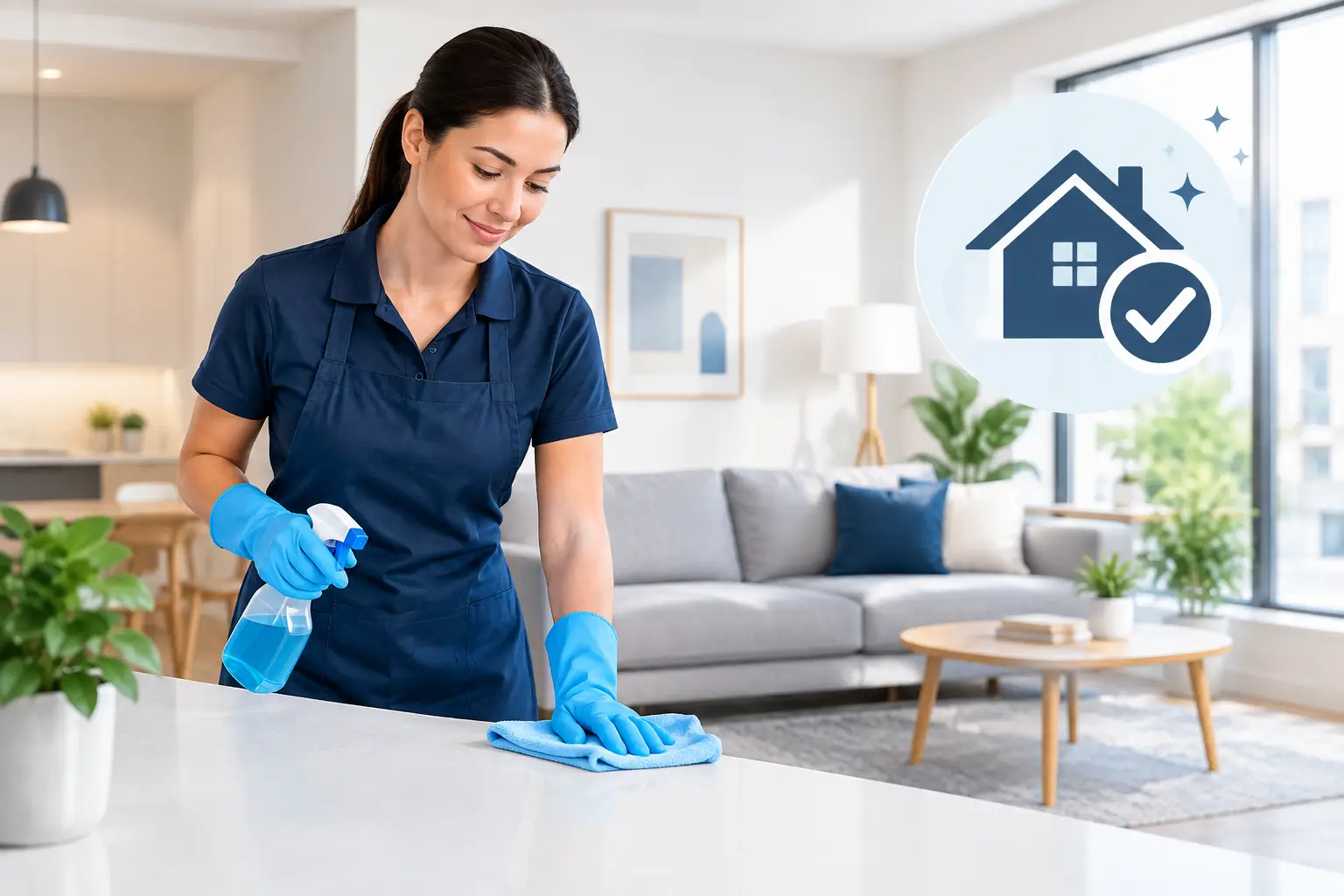
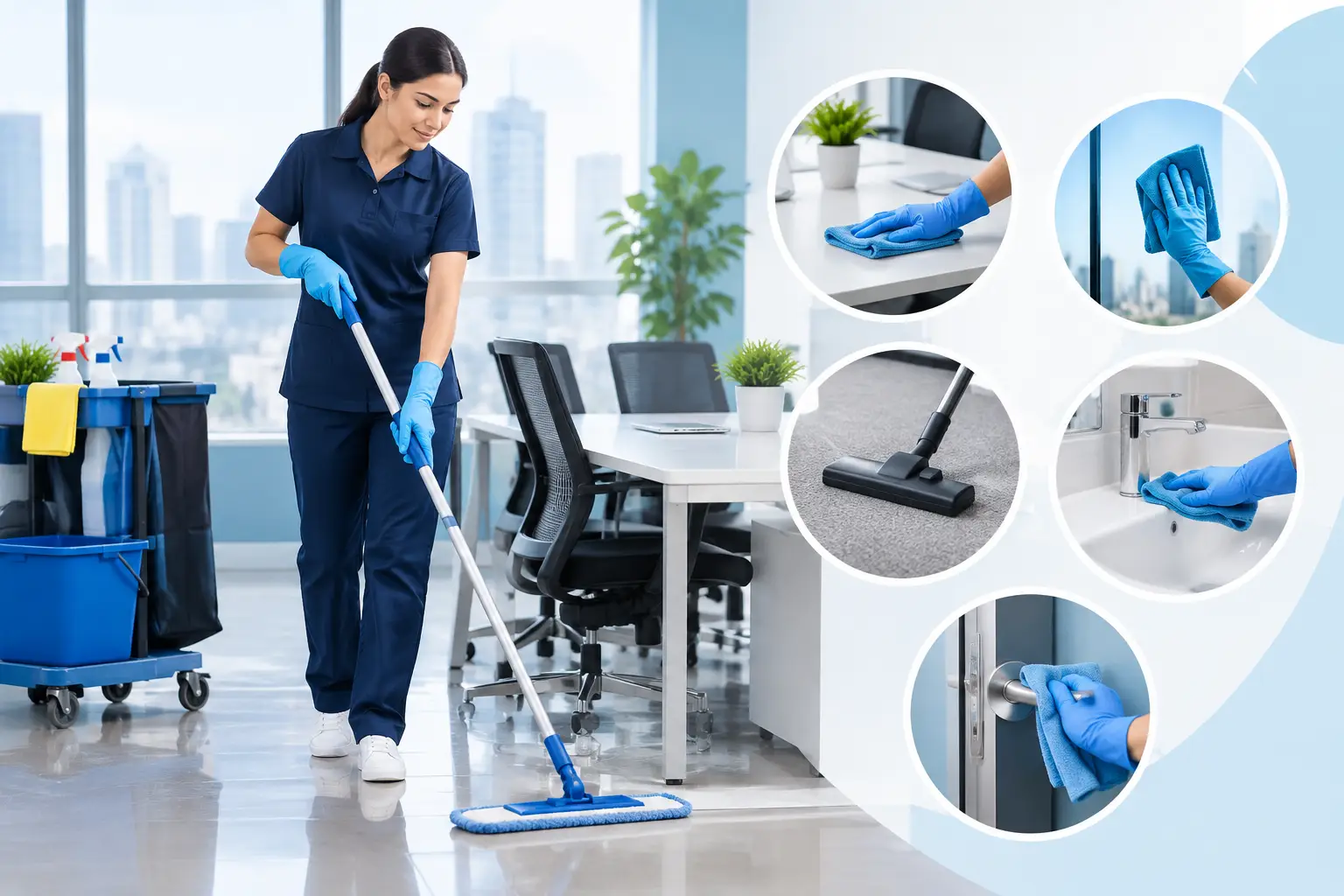
- Common areas: Dusting accessible surfaces, wiping tables and counters, straightening visible areas, removing cobwebs, vacuuming carpets, and mopping hard floors.
- Restrooms: Cleaning and sanitizing fixtures, mirrors, counters, partitions, touchpoints, and floors, plus emptying waste bins and replacing supplies when provided.
- Break rooms: Wiping exterior appliance surfaces, cleaning counters and sinks, spot-cleaning cabinets, removing trash, and cleaning floors.
- Entry and touchpoint care: Cleaning interior glass where included, wiping door handles, light switches, reception counters, elevator buttons, and other frequently handled surfaces.
Trash service deserves special attention. A scope should state which bins are emptied, whether liners are replaced, where bagged waste is placed, and whether exterior dumpster access is available. If trash volume changes after events, busy weekends, or seasonal shifts, the frequency may need to change too.
Floor care should be equally clear. Routine vacuuming and mopping are different from machine scrubbing, carpet extraction, grout cleaning, stripping, waxing, or polishing. These specialty tasks can make a major visual difference, but they usually require different equipment, additional time, and a separate schedule.
Define What “Clean” Means for Each Space
Not every surface needs the same level of care at every visit. A daily cleaning plan may focus on visible debris, waste, restrooms, and high-touch points. A weekly service may allow time for more detailed dusting, baseboards, interior glass, or chair and desk wiping. Monthly or quarterly work can address buildup that routine service is not designed to remove.
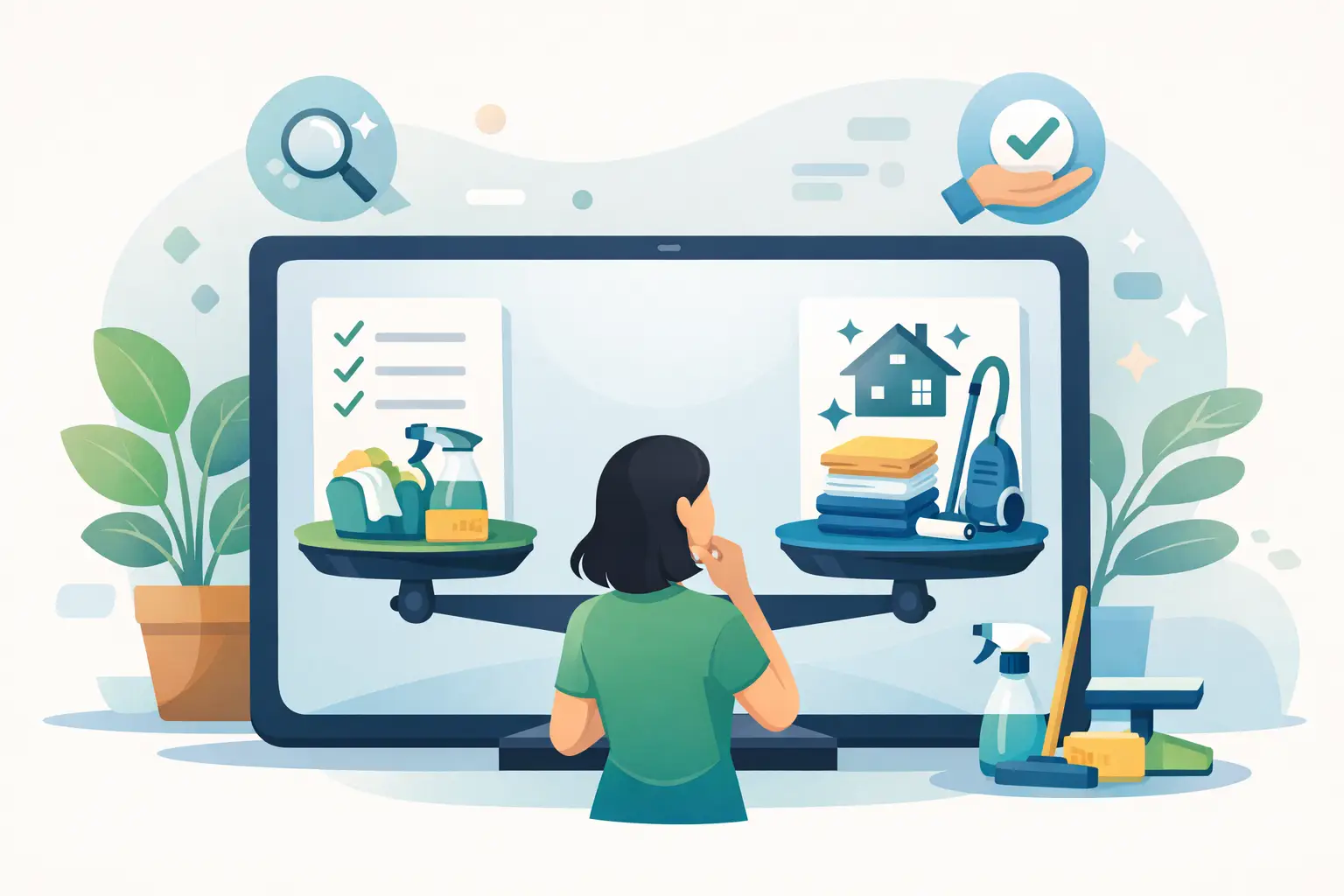
This is where a tiered approach can be helpful. Essential maintenance keeps the space orderly and refreshed. A more detailed Premium-level scope may add deeper attention to break rooms, fixtures, interior glass, and frequently overlooked surfaces. Deluxe service can be appropriate for businesses preparing for inspections, client events, move-ins, seasonal refreshes, or a long-overdue reset.
The goal is not to add every possible task to every visit. It is to match the service level to the condition and use of the facility. Paying for deep detail work every night may not be practical for a small professional office. On the other hand, postponing it too long can allow grime, odors, and floor wear to become more expensive problems.
Separate Routine Cleaning From Specialty Work
A dependable cleaning partner should be upfront about what falls outside routine service. That protects your budget and gives the crew enough time and equipment to do specialty work properly.
Common add-on or separate-scope services include interior refrigerator or oven cleaning, inside cabinets, interior windows, blinds, patio areas, post-construction dust removal, carpet shampooing, floor restoration, high dusting, and detailed appliance cleaning. Some of these services are occasional needs. Others are essential after renovations, tenant turnovers, office moves, or special events.
Post-construction cleaning deserves its own scope whenever possible. Fine dust settles repeatedly after construction, and adhesive residue, paint splatter, debris, and protected surfaces require more than a standard office cleaning visit. A contractor or property manager should communicate whether the space is rough-clean ready, whether utilities are active, and whether other trades will still be working on site.
Set the Right Frequency
There is no single “correct” cleaning schedule. A quiet office may be well served by weekly cleaning, while a clinic-adjacent office, fitness space, retail location, or shared workspace may need service several times per week. Restrooms, entryways, and break rooms often determine frequency more than private offices do.
Daily service supports consistently high traffic and reduces the chance that small messes become visible complaints. Weekly service is often a practical fit for smaller offices with limited visitors. Biweekly service can work for low-traffic professional spaces, but it requires employees to handle daily trash, dishes, and spills responsibly between visits.
If you are unsure, begin with the areas that affect health, comfort, and first impressions most directly. You can expand or adjust the plan after a few weeks of real use. Flexibility is valuable, especially for businesses with seasonal volume, rotating staff, or event-driven traffic.
Include Access, Security, and Communication Details
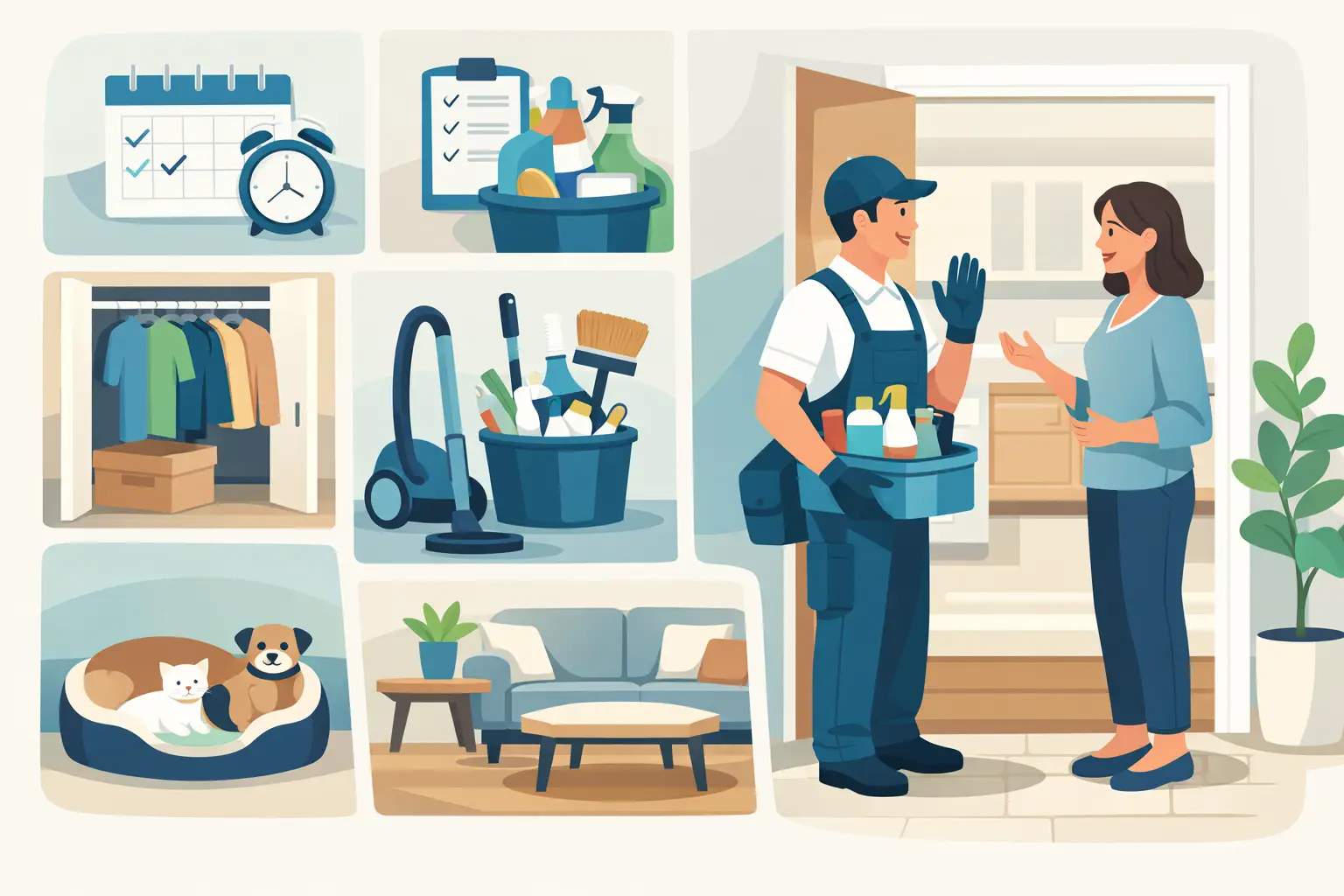
The best commercial cleaning scope also covers the operational details that happen before and after cleaning. State the preferred service time, entry instructions, alarm procedures, keys or lockbox expectations, parking access, and areas that are off-limits. If the team cleans after hours, identify a point of contact for urgent questions.
It is also wise to clarify who provides consumable supplies such as toilet paper, paper towels, hand soap, and trash liners. Some facilities prefer the cleaning company to restock approved products, while others supply everything on site. Neither arrangement is inherently better, but it should be documented.
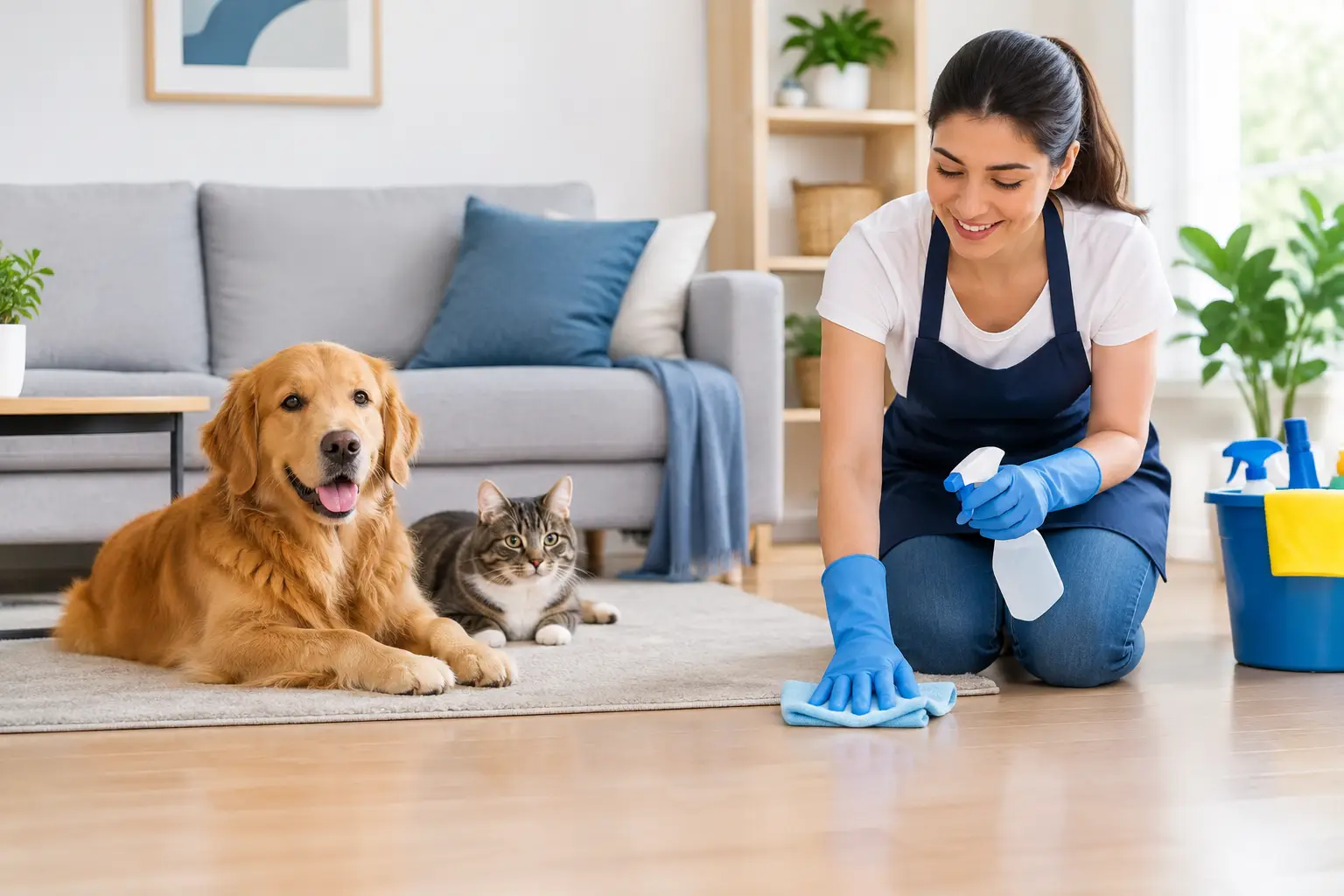
For businesses that serve customers or employ teams with sensitivities, ask about cleaning products. Eco-friendly and pet-safe products can be a thoughtful choice for offices with animals, families, frequent visitors, or staff who prefer lower-odor cleaning solutions. Disinfection needs should be discussed honestly as well. Cleaning and disinfecting are related, but they are not identical services, and the products and dwell times matter.
Review the Scope Before Problems Build Up
A cleaning scope should not sit unchanged for years. Staffing changes, new tenants, remodeling projects, business growth, and seasonal traffic can all change what your facility needs. A short review every few months helps catch gaps before they affect employee morale or customer perception.
If you notice repeat concerns, be specific. Rather than saying “the office is not clean enough,” point to the issue: restroom mirrors are streaking, break room floors need more attention, or the reception glass needs cleaning at each visit. Clear feedback gives a professional team the opportunity to correct the process.
Go Cleaning Maids builds commercial service around tailored checklists, clear expectations, and the kind of responsive communication local businesses need. A licensed and insured team, flexible scheduling, and a satisfaction guarantee can bring welcome peace of mind when your facility is part of the customer experience.
The most useful scope is one your team can read and immediately understand. When every visit has a clear purpose, your employees can focus on their work, your customers can focus on your business, and your space can keep making the right first impression.