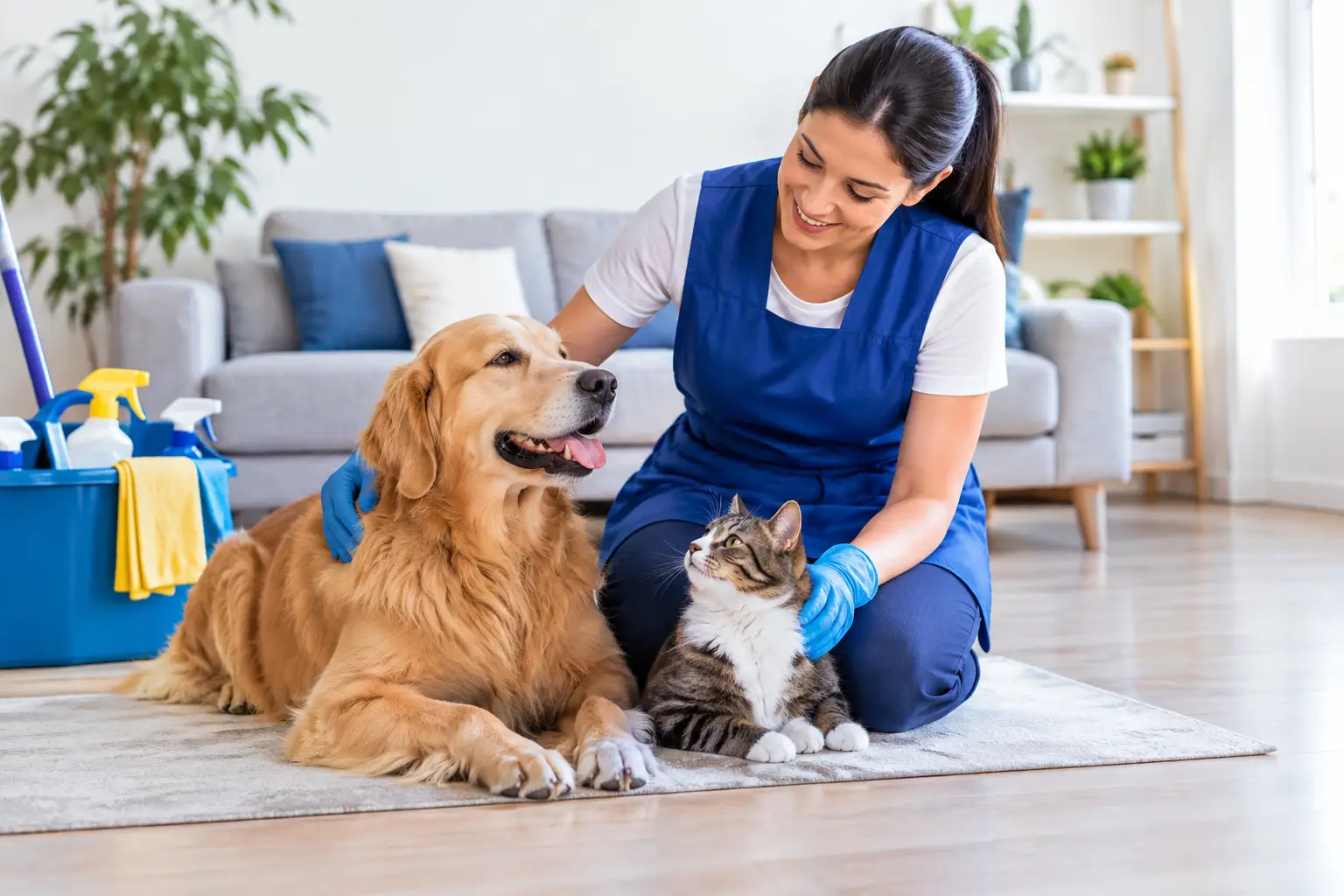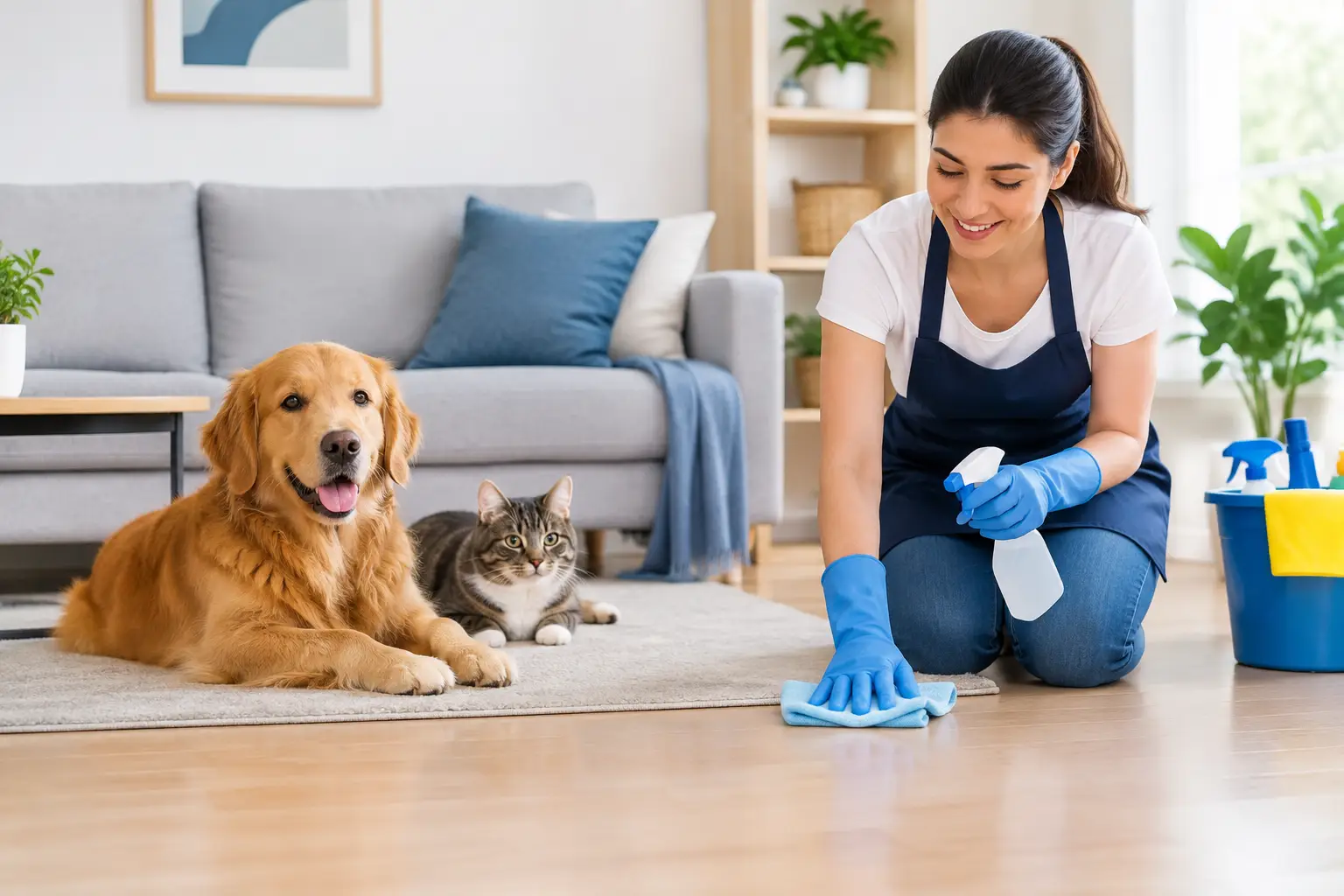
A spotless home should never come at the expense of your pet’s comfort. Pet safe cleaning before service is not only about choosing thoughtful products. It is also about making a simple plan for where your dog, cat, bird, or other companion will be while your home is being cleaned. A few minutes of preparation can make the appointment calmer for everyone, including your cleaning team.
Pets notice changes in their environment quickly. The sound of a vacuum, a new person at the door, open cabinets, or a shifted food bowl can be exciting for some animals and stressful for others. Preparing ahead helps prevent escapes, protects pets from unfamiliar cleaning equipment, and gives your cleaners the space to deliver the detailed results you scheduled.
What Pet Safe Cleaning Before Service Really Means
Pet-safe cleaning starts with products, but it does not stop there. Responsible cleaners use products and methods with your household in mind, follow label directions, avoid unnecessary residue, and allow surfaces to dry as needed. Yet each pet and home is different. A senior dog who rests in one sunny corner, a kitten that climbs counters, and a parrot with sensitive respiratory needs may each require a different approach.
Before your appointment, let your cleaning provider know what animals live in the home and how they typically react to visitors. This is especially helpful if a pet is anxious, protective, likely to hide, or has access to a room that needs special attention. Clear communication lets the team adjust the service safely without guessing.
At Go Cleaning Maids, thoughtful household care includes considering the people and pets who call the space home. The goal is not simply to clean around your pet’s routine. It is to help preserve it while giving you the refreshed home you want to return to.
Set Up a Comfortable Space for Your Pet
The best place for your pet during a cleaning appointment depends on personality, health needs, and the scope of service. Some dogs are happiest in a quiet bedroom with their bed, water, and a favorite toy. Others do better at daycare, on a walk with a trusted friend, or spending a few hours with family. Cats often prefer a closed room where they can stay away from vacuums and open entry doors.
Choose a location that will not need to be cleaned during the appointment, if possible. Let the cleaning team know that the room is occupied and should be skipped. If that room is part of the scheduled scope, consider moving your pet temporarily so it can receive the attention it needs.
Be sure the space has fresh water, comfortable temperature control, and enough room for your pet to settle. For longer appointments, particularly deep cleans, move-ins, move-outs, or post-construction cleaning, plan for bathroom breaks and meals as you normally would. Consistency can make a meaningful difference for anxious pets.
Birds, reptiles, and small mammals deserve extra consideration. Keep cages and enclosures secure, and tell your cleaners where they are located. If an animal is especially sensitive to noise, scents, temperature changes, or drafts, it may be best to place the enclosure in a protected room and postpone cleaning there. Never assume a general approach will suit every species.
Share the Details That Keep Everyone Safe
A quick note before service can prevent avoidable issues. Tell your cleaning team whether your pet may bark, scratch, bite, hide, or try to slip through an open door. Mention any rooms, objects, or feeding areas that should not be touched. If your pet has a medical condition, is recovering from surgery, or reacts to particular smells, share that information before the team arrives.
Entry instructions matter, too. If you will not be home, confirm whether your pet will be secured before the appointment begins. A cleaning professional should never have to decide whether it is safe to enter a home with an unrestrained animal they have not met. This protects your pet, your property, and the people providing your service.
It also helps to identify pet-related priorities. You may want extra attention paid to fur on upholstery, paw prints near patio doors, litter tracking, or the area around a dog bed. These details allow the team to focus effort where it will make the biggest visible difference. They also help you select the right service level or add-ons instead of paying for a scope that misses what matters most in your household.
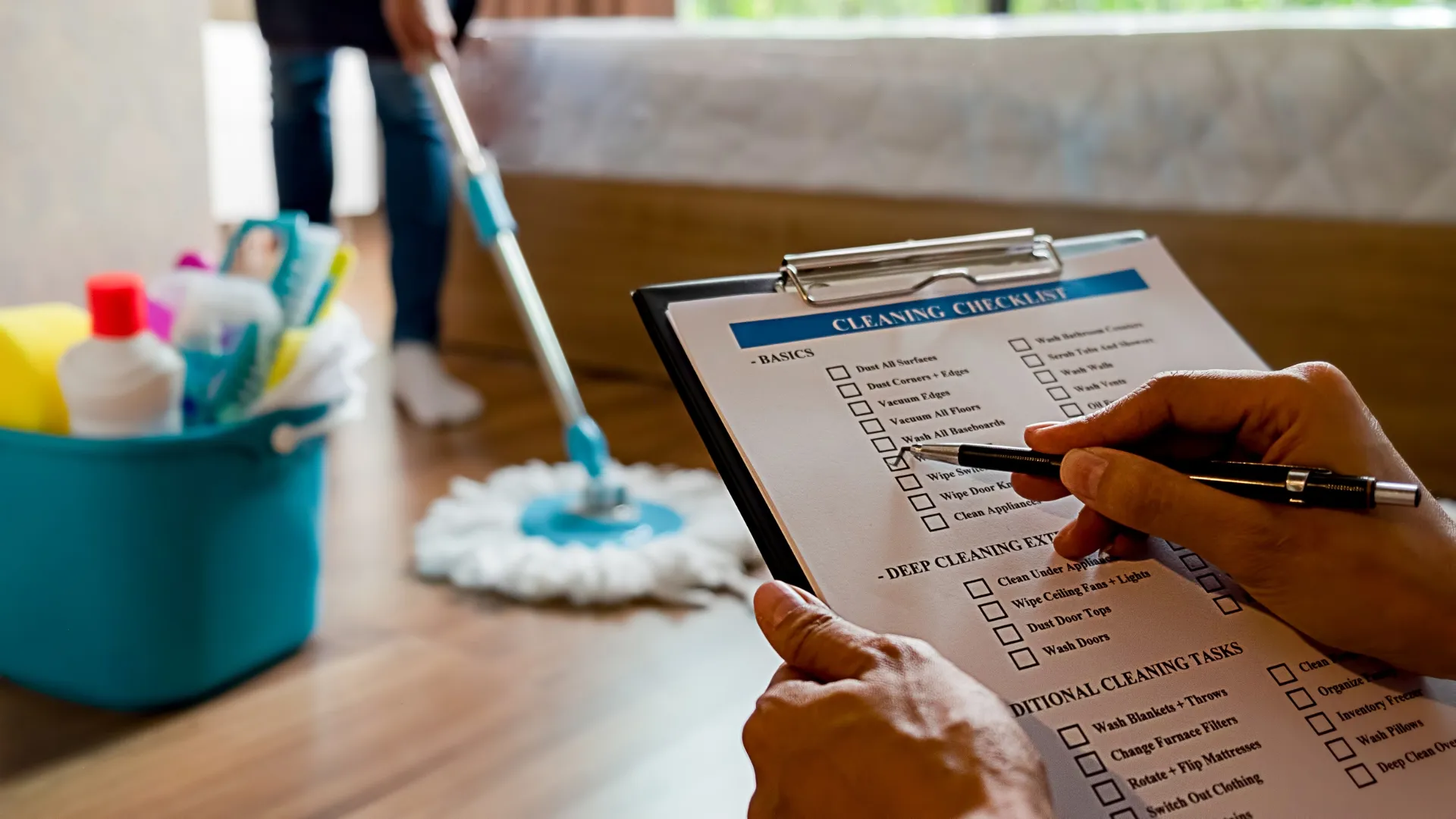
A Pet Safe Cleaning Before Service Checklist
Start by picking up pet toys, loose treats, collars, and small accessories from the floor. This protects belongings from being accidentally moved or damaged and gives the cleaning team clearer access to the surfaces beneath them. If there are delicate items near a pet’s favorite spot, place them somewhere secure before service begins.
Next, put food and water bowls in your pet’s designated safe room or move them away from areas being cleaned. A bowl near a kitchen floor or bathroom vanity can be temporarily relocated so those areas can be thoroughly cleaned and dried. Washable pet bedding can be set aside if you plan to launder it, or leave it in place if you want the team to clean around it.
Secure trash, medications, cleaning supplies, and any household items your pet might chew or eat. This is good preparation even with pet-safe products in use. Curious pets can get into unusual places when furniture is moved, closet doors are open, or the normal routine changes.
Finally, confirm that doors, gates, and screens latch properly. For dogs that are quick to bolt or cats that dart through doorways, consider using a note on the entry door and the pet’s room: “Please keep closed.” A clear reminder supports a safer workflow, especially when cleaners are carrying equipment in and out.
Give Floors and Surfaces Time to Dry
One common concern is whether pets can walk on freshly cleaned floors. The answer depends on the product used, the surface being cleaned, humidity, and how much ventilation is available. In South Florida, humidity can sometimes slow drying time, particularly on tile and larger floor areas.
Ask your cleaning team when it is appropriate for pets to return to cleaned rooms. In many cases, allowing surfaces to dry fully is the simplest and safest approach. Keep paws off damp floors when possible, both to avoid tracking and to prevent a pet from licking moisture from its feet after walking through it.
For countertops, tables, and other raised surfaces, give them time to dry before allowing cats or other climbing pets back into the room. If your pet regularly licks floors, counters, or fixtures, mention it. That detail can guide the cleaning approach and any recommendations for re-entry timing.
Know When to Adjust the Plan
There are times when keeping a pet home during service is not the right choice. Aggressive behavior, extreme anxiety, illness, very young animals, and major construction-related cleaning are all situations where off-site care may be the safer option. Post-construction environments can involve dust and debris that require specialized attention, so pets should remain away until the work is complete and the area is cleared for normal use.
The same applies to homes with serious odor issues, pest treatment, mold concerns, or an accident that may require specialty remediation beyond standard cleaning. Be open about the condition of the space when requesting service. A professional team can help clarify what is included, what preparation is needed, and whether another type of service is more appropriate.
A clean home and a content pet can go together beautifully when the plan is clear. Secure your pet, communicate their needs, and give freshly cleaned areas time to dry. Then you can enjoy the comfort of a well-cared-for home with the peace of mind that your best friend was considered every step of the way.