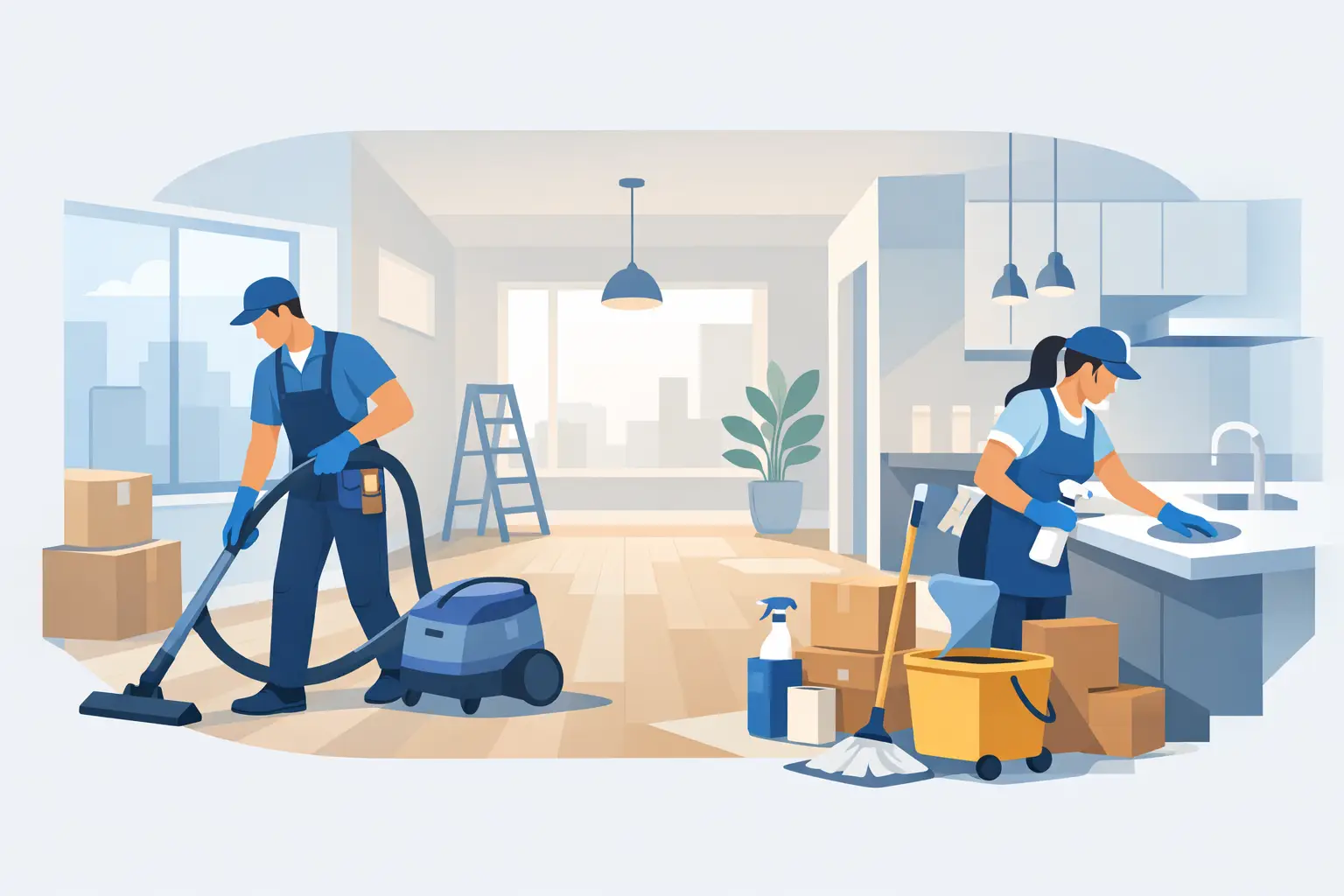
A renovation can look complete the moment the last tool leaves, but construction cleanup is what makes the space truly usable. Fine drywall dust settles inside cabinets, sawdust collects along baseboards, paint specks cling to glass, and adhesive residue can make new floors feel unfinished. For South Florida homeowners, property managers, and contractors, a detailed post-construction clean is the step that turns a job site into a home, office, rental, or retail space people can confidently enter.
Why Construction Cleanup Is Different From Regular Cleaning
A regular cleaning maintains a lived-in space. Post-construction cleaning addresses the residue left by building, remodeling, repairs, and installation work. That residue is often hard to see at first, especially the fine dust that travels through vents, settles on high surfaces, and returns after a quick wipe-down.
Construction materials also require more care than everyday dirt. Grout haze, caulk, stickers on new appliances, paint drips, and protective film on fixtures can all need targeted attention. The goal is not simply to remove debris. It is to clean each finished surface without scratching new glass, dulling floors, damaging fresh paint, or leaving chemical residue behind.
This is why the scope matters. A small bathroom remodel may need detailed dust removal and fixture polishing. A full renovation, new build, or commercial turnover may require several visits as contractors complete final touch-ups and remove their remaining materials.
What a Professional Construction Cleanup Should Cover
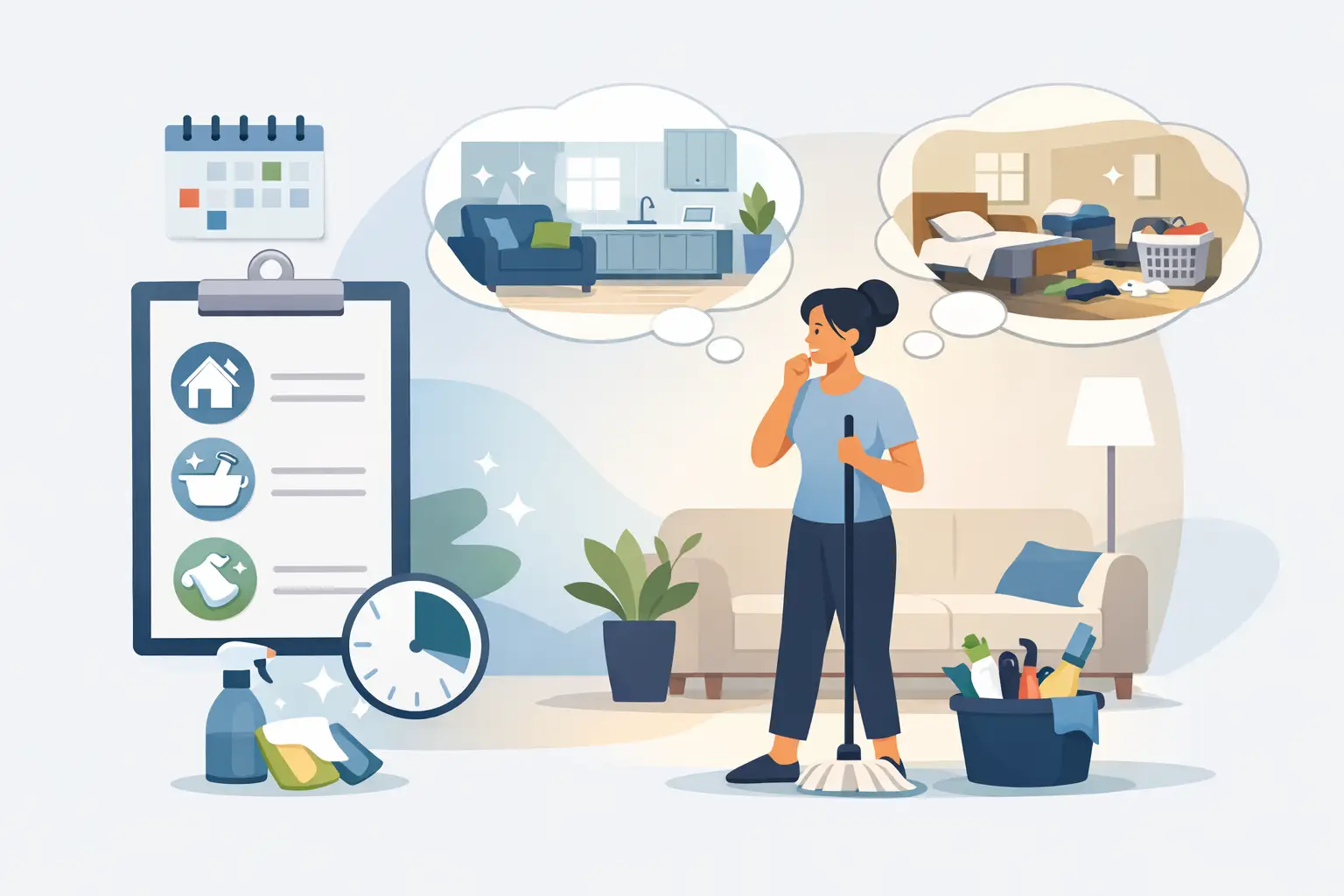
The best cleaning plan starts with a walk-through. Every project leaves behind a different mix of dust, debris, and surface residue, so a clear scope prevents surprises on cleaning day.
Rough debris removal and dust control
The first stage focuses on making the property safe and manageable. Crews remove loose trash, packing materials, tape, cardboard, and other non-hazardous debris left behind after the work is complete. Heavy construction waste, sharp materials, chemicals, and large disposal items may require contractor handling or a dedicated waste service.
Once the area is clear, dust removal can begin. This includes vacuuming and damp-wiping floors, baseboards, window sills, door frames, ledges, vents, ceiling fans, and other horizontal surfaces where fine particles settle. Dust control is especially important before furniture, inventory, or personal belongings are moved in. Otherwise, dust can quickly transfer onto everything in the room.
Detail cleaning of finished surfaces
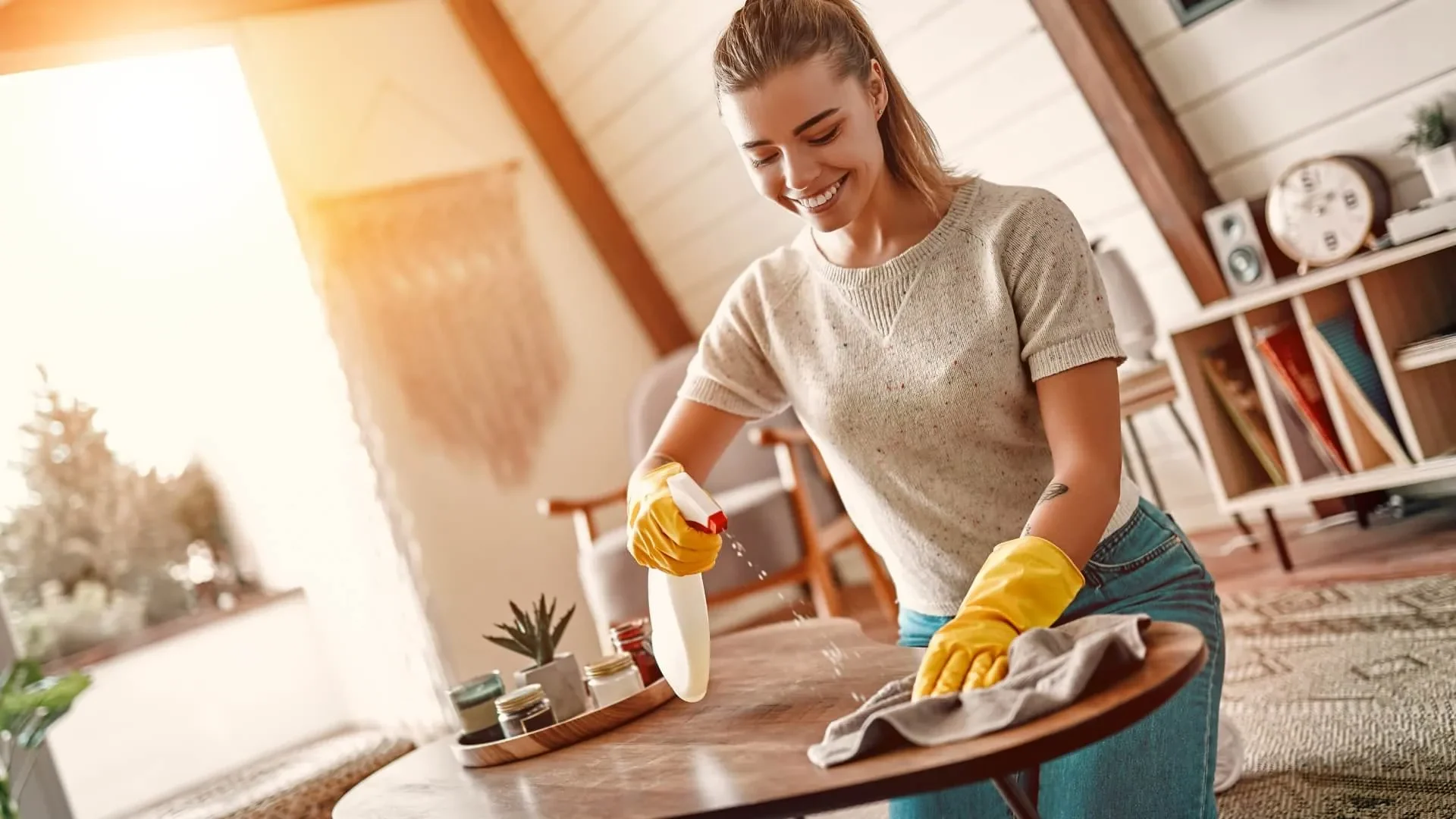
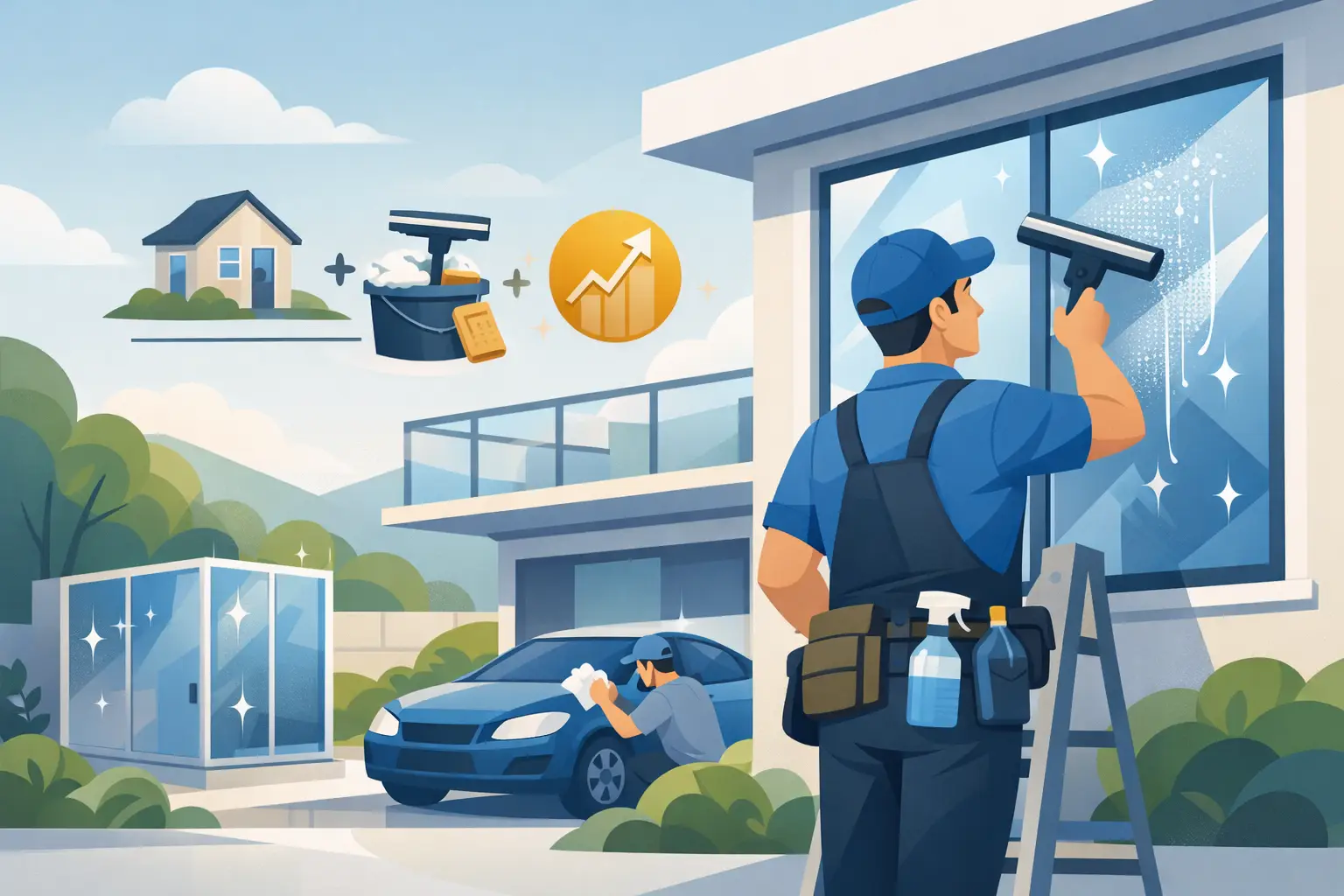
A post-construction clean should pay attention to the surfaces people notice immediately. That typically includes interior windows and glass doors, mirrors, light fixtures, switches, outlet covers, doors, trim, cabinets, countertops, sinks, tubs, showers, toilets, and appliances.
New cabinets and appliances often arrive with labels, protective wrapping, fingerprints, and installation dust. Bathrooms may have grout haze or construction dust around fixtures. Kitchens can have sawdust in drawers or residue along cabinet edges. A careful cleaning team works methodically from high areas down to floors so cleaned surfaces are not re-dusted during the process.
Floor finishing and final presentation
Floors are usually cleaned last because they collect dust throughout the project. The right method depends on the material. Tile needs a different approach than hardwood, luxury vinyl, natural stone, or newly sealed concrete. Aggressive scrubbing or the wrong product can leave streaks, haze, or damage, particularly on newer surfaces that have not fully cured.
The final pass is about presentation. Fixtures should shine, glass should be clear, floors should feel clean underfoot, and the property should be free of visible dust, smudges, and leftover installation residue. It is the difference between a space that looks recently built and one that feels ready to enjoy.
When Should Construction Cleanup Happen?
Timing can make or break the result. Cleaning too early may mean dust returns after electricians, painters, flooring installers, or punch-list crews come back through. Waiting too long can allow residue to harden onto glass, floors, and fixtures.
For larger projects, construction cleanup often works best in stages. An initial clean can happen once major work and debris removal are finished. A final detailed clean takes place after contractors are done, protective coverings are removed, and the space is ready for move-in or handoff.
If you are preparing a property for sale, an Airbnb turnover, a tenant move-in, or a business opening, schedule the final clean with enough room for a walk-through afterward. That gives you time to spot any final contractor touch-ups without rushing the opening date.
What to Confirm Before Scheduling
A clear conversation upfront protects your new finishes and helps the cleaning team arrive prepared. Before booking construction cleanup, confirm that active construction is complete and that water, power, and air conditioning are available. South Florida heat and humidity can make a closed-up, unconditioned space uncomfortable for cleaners and less ideal for drying floors or cleaning solutions.
It also helps to identify surfaces that need special care. Natural stone, unfinished wood, specialty tile, high-end appliances, freshly painted walls, and tinted windows may have manufacturer recommendations. Let the cleaning team know if there are delicate materials, areas that cannot be accessed, or products you would prefer avoided.
For a smoother service, make sure contractors have removed tools and hazardous items. Cleaning professionals can handle dust and non-hazardous post-project residue, but they should not be expected to remove nails, exposed wiring, solvents, wet paint, or heavy demolition waste. If the project involves mold, asbestos, lead, or other regulated materials, specialized remediation is required before a standard cleaning crew enters.
Why DIY Cleanup Can Take Longer Than Expected
There is nothing wrong with handling a small project yourself, especially after a simple repair or a one-room refresh. Still, many homeowners underestimate how far fine dust travels. It can settle in closets, on top of doors, inside drawers, behind appliances, and along every baseboard in the home.
The trade-off is time and equipment. A household vacuum may not be enough for large amounts of drywall dust, and using a dry rag can push particles back into the air. Glass, stainless steel, fresh paint, and new flooring also need appropriate tools and products to avoid scratches or streaking.
Professional service is often most valuable after major renovations, when multiple rooms were affected, or when the property has a deadline. It can also offer peace of mind for busy families, landlords, and business owners who need a dependable finish without spending a weekend cleaning a space that should already feel complete.
A Better Standard for Post-Construction Cleaning
A reliable team does more than arrive with supplies. They follow a room-by-room process, adjust the scope to the actual condition of the property, and inspect the work before leaving. Eco-friendly, pet-safe products can be a thoughtful choice for occupied homes and family spaces, but the product used should always match the surface and the job.
At Go Cleaning Maids, post-construction cleaning is built around that level of detail, from dusting high and low surfaces to cleaning cabinets, appliances, fixtures, and final floor finishes. As a licensed and insured local cleaning company, the focus is on clear expectations, careful work, and a space that feels refreshed rather than merely swept out.
A finished renovation deserves more than a quick wipe-down. Give the final clean the same attention you gave the project itself, and the first time you walk through the door can feel like the moment the space was meant to begin.