A vacant rental can lose money quickly, but rushing the reset can create bigger problems: missed damage, unhappy incoming tenants, poor guest reviews, and last-minute maintenance calls. This rental turnover guide gives landlords, property managers, and short-term rental hosts a practical way to prepare a property between occupants without cutting corners.
Whether you manage a condo in Deerfield Beach, a family rental in Boca Raton, or a vacation property near the coast, the goal is the same: hand over a home that feels clean, cared for, and ready to live in. A consistent process protects the property, supports your reputation, and makes each turnover easier to manage.
Start the Turnover Before Move-Out Day
The smoothest turnovers begin before the current tenant leaves. Confirm the move-out date, key-return method, utility status, and any agreed-upon final walkthrough in writing. For short-term rentals, confirm checkout time and schedule cleaning as soon as the reservation closes.
Ask long-term tenants to remove all personal belongings and dispose of unwanted items. It also helps to clarify what “broom clean” means in your lease. Even when tenants are responsible for basic cleaning, plan for professional-level cleaning between residents. The standard needed to return a security deposit is not always the standard needed to welcome a new renter.
Build a small time buffer whenever possible. A same-day move-out and move-in can work for a well-maintained unit, but it leaves little room for repairs, deep cleaning, pest concerns, or delayed vendors. If your rental is older, furnished, pet-friendly, or located in a high-humidity area, extra time is especially valuable.
Rental Turnover Guide: Inspect Before You Clean
Cleaning should follow the inspection, not replace it. Walk through the empty property first while there is nothing hiding floors, walls, fixtures, or appliances. Take date-stamped photos and compare the condition to your move-in records.
Look beyond obvious damage. Test light switches, outlets, ceiling fans, smoke detectors, appliances, locks, blinds, faucets, toilets, and drains. Run the air conditioning long enough to notice weak airflow, unusual sounds, or moisture around vents. In South Florida, small signs of water intrusion or mildew deserve fast attention before the next resident arrives.
Separate normal wear from chargeable damage according to your lease and local requirements. Faded paint, light carpet wear, and minor scuffs may be ordinary use. Broken blinds, unauthorized wall holes, missing remotes, stained upholstery, or excessive grease buildup may require documentation and follow-up. When in doubt, keep your records factual, detailed, and consistent.
Create two work orders from the inspection: one for items that must be repaired before occupancy and one for improvements that can be scheduled later. Safety, sanitation, security, plumbing, electrical concerns, and water damage belong in the first category. Cosmetic upgrades can wait only if they do not affect the renter’s reasonable expectation of a clean, functional home.
Clean to the Standard a New Resident Will Notice
A turnover clean is more detailed than routine housekeeping. Empty rooms reveal dust along baseboards, fingerprints around doors, buildup in showers, and debris inside drawers and cabinets. These details shape a renter’s first impression, especially when they are carrying boxes into the home and deciding whether the property was truly prepared for them.
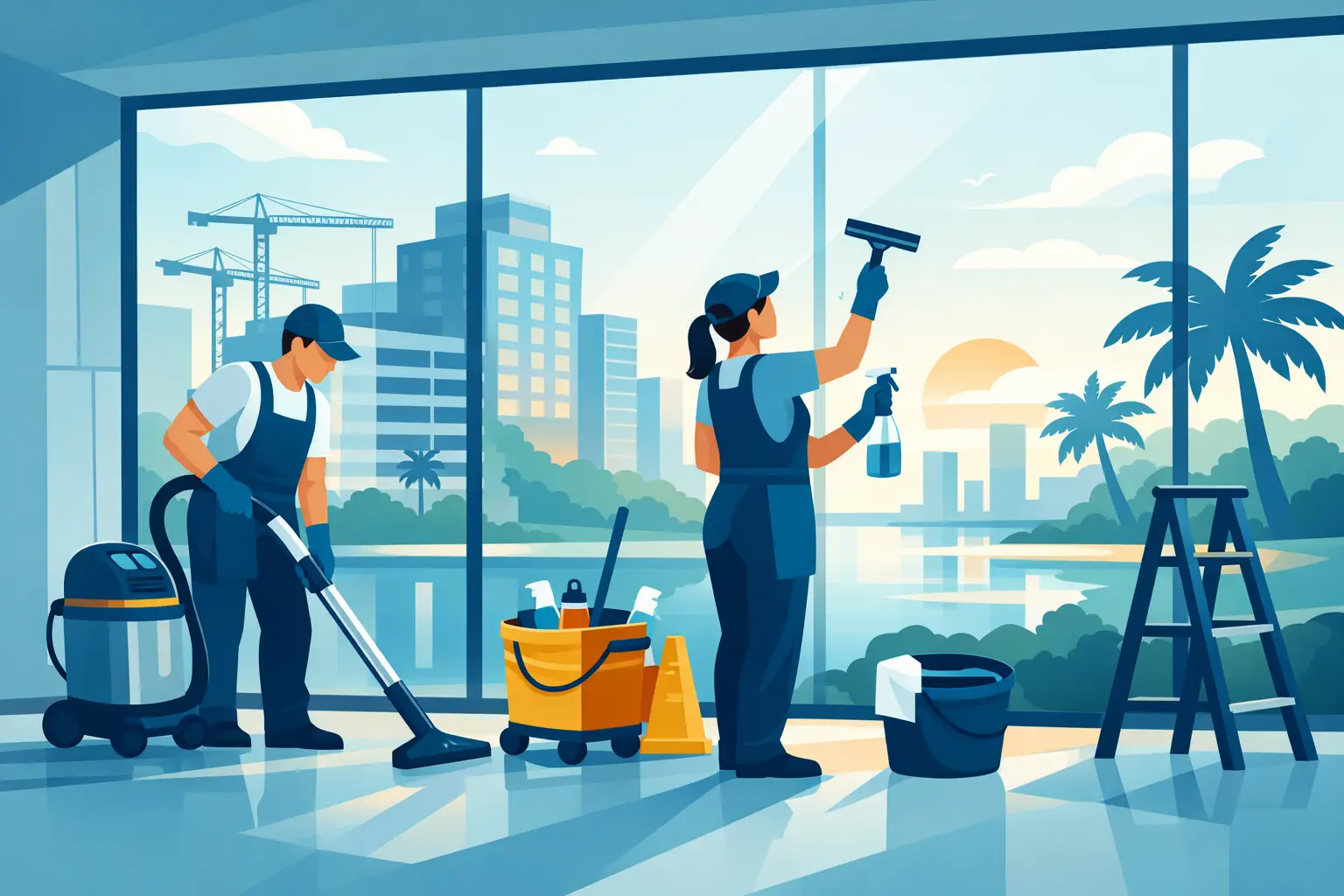
A professional clean should address the whole unit, with special attention to high-touch and high-use areas. Kitchens need more than wiped counters. Clean the interior and exterior of the refrigerator, oven, microwave, dishwasher, cabinets, drawers, and sink. Remove food crumbs, grease, shelf liners, and leftover items. Do not forget the range hood filter and the space behind appliances if accessible.
Bathrooms should be sanitized from top to bottom, including toilet bases, shower tracks, tile grout, mirrors, fixtures, exhaust vents, and vanity interiors. Soap residue and hard-water marks can make an otherwise clean bathroom feel neglected. If grout is permanently stained or caulk is cracking, cleaning alone may not solve the issue. Schedule the repair instead of trying to hide it.
In living spaces and bedrooms, dust ceiling fans, vents, blinds, baseboards, doors, trim, and closets. Vacuum edges and corners before mopping hard floors. Spot-clean walls where appropriate, but repaint areas with widespread marks or patching for a more uniform result. Vacuuming alone may not be enough for carpets with odors, pet hair, or visible staining. A deeper treatment or replacement may be the better business decision.
For furnished rentals and Airbnb properties, include linens, mattress protectors, upholstery, remotes, décor, and kitchen inventory in the cleaning scope. Guests notice hair, crumbs, smudged glass, and missing supplies quickly. They also notice when the home smells overly perfumed. Fresh air and properly cleaned surfaces are usually a better choice than heavy fragrance.
Use a Repeatable Turnover Checklist
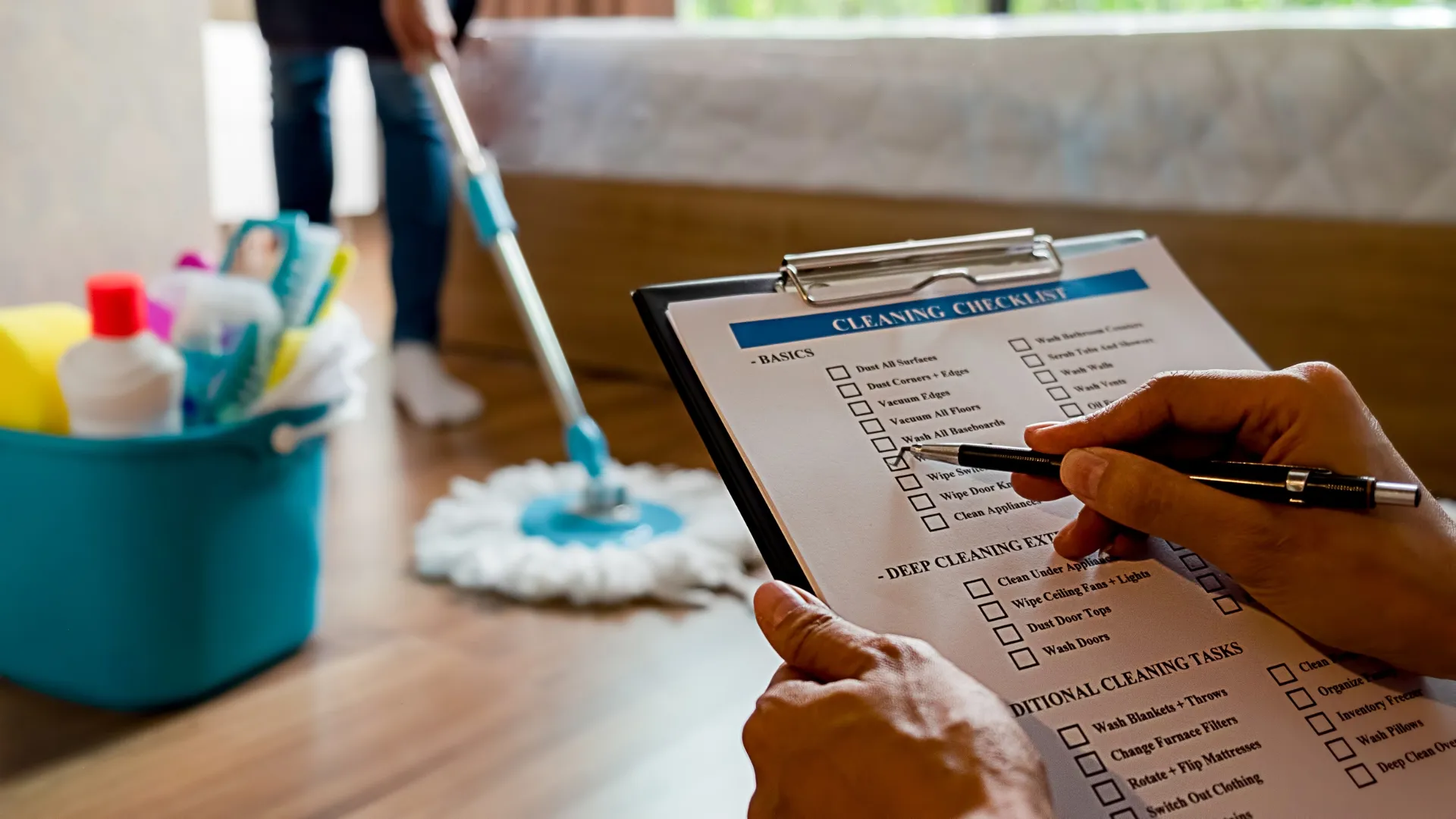
A documented checklist keeps standards consistent across properties and vendors. It also gives you a clear way to verify work before keys are handed off. Your checklist can be simple, but it should cover these four areas:
- Safety and access: Test smoke and carbon monoxide detectors where installed, change batteries as needed, verify locks, collect keys, reset garage remotes, and confirm exterior lighting.
- Repairs and maintenance: Address leaks, damaged screens, loose hardware, appliance issues, pest activity, HVAC filters, and any safety-related defects.
- Detailed cleaning: Clean appliances, cabinets, bathrooms, floors, surfaces, fixtures, windows as needed, patios or balconies, and all interior touchpoints.
- Ready-to-rent details: Remove trash, replace burned-out bulbs, replenish required supplies for furnished stays, set the thermostat appropriately, and confirm the property photographs well.
The right checklist depends on the rental type. A long-term unfurnished unit may need more wall repair and less inventory control. A vacation rental may need every towel counted, every remote tested, and every amenity reset. The principle is the same: make the next person feel that the home was prepared specifically for them.
Know When a Fast Turnover Is Not the Best Turnover
Speed matters when there is a new lease or reservation waiting. Still, the fastest option is not always the most cost-effective one. Skipping a deep clean, postponing a drain issue, or ignoring worn caulk may create a complaint within days and require another service visit after move-in.
Consider the condition of the home, the length of the vacancy, and the expectations of your next occupant. A lightly used apartment after a one-year tenancy may need standard turnover cleaning plus touch-up work. A home vacated after several years, a property with pets, or a unit that has undergone repairs may need deep cleaning, carpet treatment, window cleaning, and more detailed appliance care.
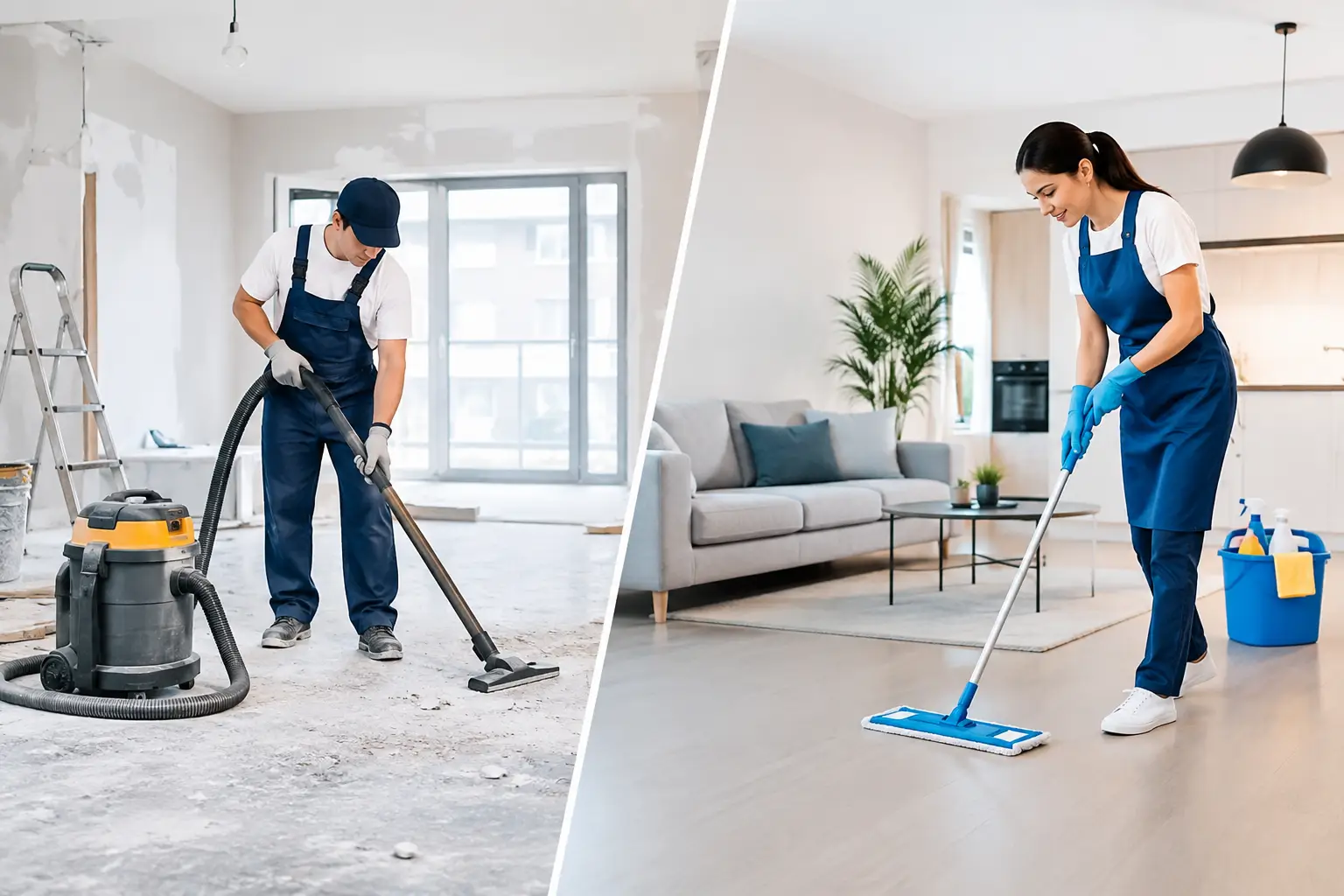
Post-construction dust is another common issue. After painting, flooring, cabinetry, or renovation work, fine dust can settle on nearly every surface, including vents, drawers, and inside closets. A regular cleaning is rarely enough. Give the property a post-construction clean before performing the final turnover check.
Coordinate Vendors in the Right Order
Order matters. Complete repairs, painting, and maintenance work before final cleaning whenever possible. Otherwise, crews may track dust through clean rooms or leave debris behind after the cleaners have finished. If carpets are being professionally cleaned, allow adequate drying time before a final walk-through and key handoff.
Keep communication direct with each vendor. Share access instructions, timing, photos of problem areas, and the standard you expect. For property managers with multiple turnovers, a single point of contact and a shared checklist can prevent duplicate work and missed tasks.
Go Cleaning Maids helps South Florida property owners and hosts prepare homes with detailed move-in/move-out, deep cleaning, and Airbnb turnover services. Licensed and insured professionals, pet-safe products, clear service scopes, and a satisfaction guarantee can make scheduling one part of the turnover process feel far more manageable.
Complete a Final Walk-Through With Fresh Eyes
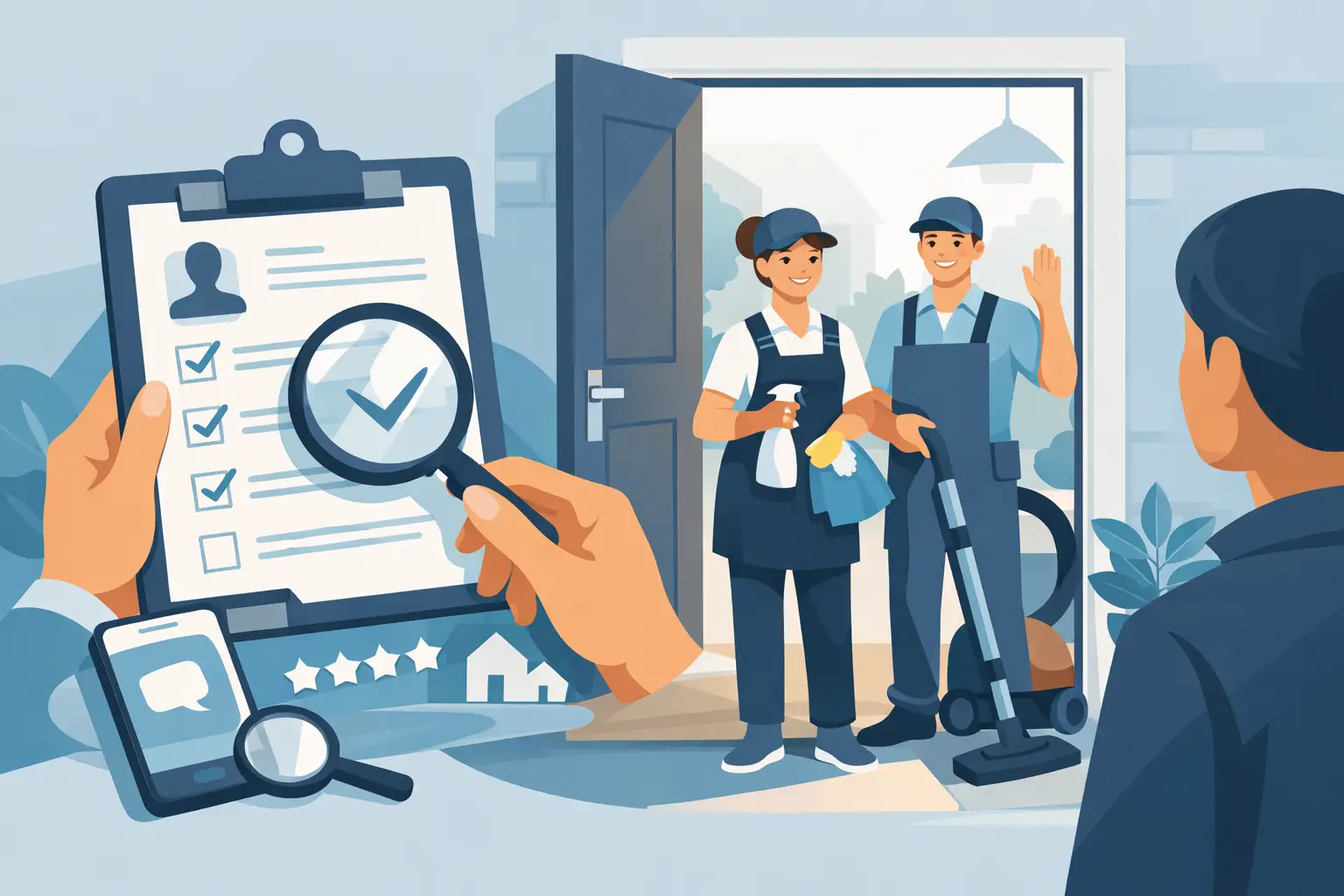
Your final check should happen after cleaning and repairs are complete, ideally in daylight. Walk the property as if you are seeing it for the first time. Open cabinets. Check the refrigerator. Look under sinks. Turn on faucets. Stand at the front door and notice the first view into the home.
Pay attention to scent, temperature, lighting, and cleanliness around entry points. A spotless kitchen will not overcome a musty smell, a broken lock, or an overflowing exterior trash bin. Small details are not small to a new tenant or guest.
A well-run turnover is not just about getting the property back on the market. It is a way to show the next resident that their comfort, safety, and time matter from the moment they walk through the door.