A bathroom can look clean at breakfast and feel damp again by lunchtime. In South Florida, moisture settles into grout, towels, window tracks, closets, and air vents long before it becomes an obvious problem. This South Florida humidity cleaning guide focuses on the habits that keep that moisture from turning into musty odors, mildew spots, sticky floors, and extra work later.
Humidity is not a sign that a home is unclean. It is part of life near the coast, especially through the rainy season. The difference is how quickly moisture is removed, how consistently high-touch areas are maintained, and whether small warning signs get attention before they spread.
Why South Florida Humidity Changes the Cleaning Routine
Warm, humid air creates the conditions that mildew and mold prefer. When that air meets cooler surfaces, such as bathroom tile, windows, air-conditioning vents, or the inside of a closet, condensation can form. Add dust, skin oils, soap residue, or food crumbs, and there is a surface where odor-causing bacteria and mildew can thrive.
That is why a once-a-week visual wipe-down is often not enough for South Florida homes. A surface may look dry while moisture remains in caulk lines, shower corners, bath mats, or the fabric of a sofa. Cleaning needs to do two jobs: remove buildup and help the area dry completely.
Air conditioning is a major part of the equation. A well-running system helps lower indoor humidity, but clogged filters, blocked drain lines, and closed-off rooms can leave certain areas feeling stale. If one closet or bedroom repeatedly smells musty after cleaning, the issue may be airflow or a hidden moisture source rather than your cleaning products.
The South Florida Humidity Cleaning Guide: Start With Moisture Control
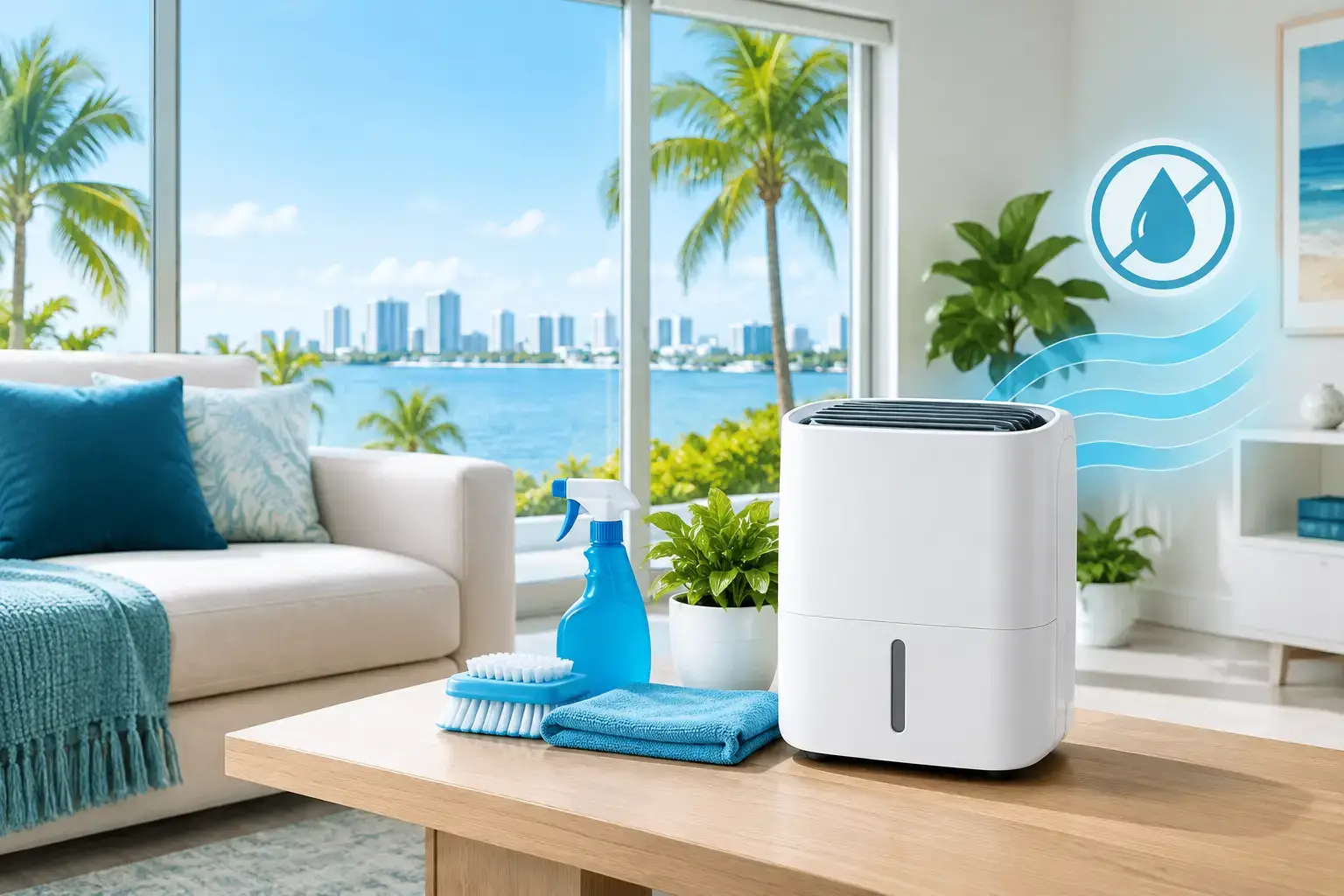
The most effective cleaning routine begins before a spray bottle comes out. Keep indoor humidity at a manageable level whenever possible. Many households find that a dehumidifier helps in bathrooms without windows, laundry rooms, guest rooms, and closets that stay closed for long periods. It depends on the home, though. A newer, well-maintained air-conditioning system may handle most rooms well, while an older home or a property that sits vacant may need more support.
After showers, run the exhaust fan and leave it on for 15 to 20 minutes. If there is no fan, open a window when weather allows, squeegee excess water from shower walls, and hang towels spread out rather than folded over a hook. The goal is simple: do not let wet fabric and standing water linger.
In the kitchen, wipe condensation around refrigerator seals and check under the sink regularly. A slow leak can create a persistent odor inside a cabinet long before it becomes visible from the outside. In laundry areas, avoid leaving wet clothes in the washer, and keep the washer door or lid open between loads if the manufacturer allows it.
Clean Bathrooms More Often, but More Gently
Bathrooms are the highest-priority rooms in a humid climate. Soap scum holds moisture against tile and glass, while body oils and product residue feed mildew. The best approach is regular light maintenance paired with a deeper weekly clean.
After bathing, use a squeegee or microfiber cloth on glass doors, tile, and fixtures. This takes less than a minute and reduces the water that would otherwise dry slowly on the surface. Wipe faucet bases and the area behind the toilet, where moisture and dust tend to collect together.
For weekly cleaning, use a bathroom-safe cleaner on showers, tubs, sinks, and toilets, then rinse or wipe as directed. A pet-safe, eco-conscious product can be a thoughtful choice for households with children, pets, or sensitivities, but it still needs enough contact time to work. Spraying and immediately wiping often leaves behind residue and bacteria.
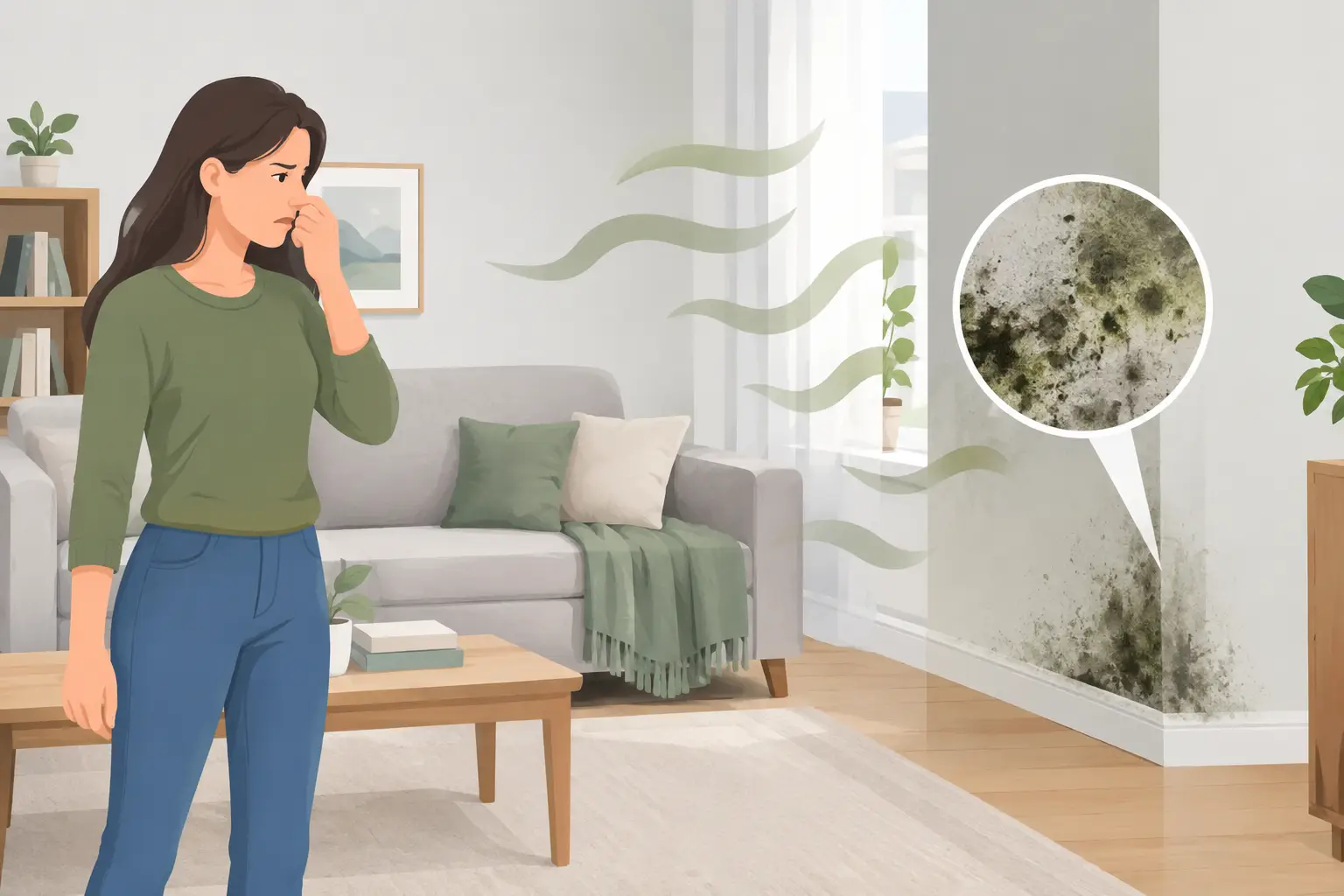
Pay close attention to grout, silicone caulk, and the lower edges of shower doors. Small pink, orange, gray, or black marks should be addressed promptly. Surface mildew can often be cleaned safely with the right product and ventilation, but recurring dark spotting, bubbling paint, soft drywall, or a strong damp smell may point to water intrusion. Cleaning alone will not solve that problem.
Keep Floors From Feeling Sticky and Gritty
South Florida floors collect more than indoor dust. Sand, pollen, rainwater, pet debris, and residue from bare feet can make tile and vinyl feel sticky soon after mopping. Using too much floor cleaner can make this worse because leftover solution attracts more soil.
Sweep or vacuum frequently, particularly near entryways, sliding doors, and patios. Then mop with a properly diluted cleaner and clean water. Microfiber pads work well because they lift fine debris instead of pushing it around, but they must be washed thoroughly after use. A damp, dirty mop pad can spread odor rather than remove it.
Doormats inside and outside entry doors help, especially during rainy weeks. If your household has pets or children coming in from the yard or pool, a quick floor wipe near the main entrance can prevent moisture and grit from traveling through the home.
Do Not Forget Fabrics, Closets, and Soft Surfaces
Musty odors often hide in places that do not look dirty. Bath mats, shower curtains, towels, upholstered furniture, bedding, and closet fabrics all absorb moisture from the air. In a closed space, that moisture has nowhere to go.
Wash bath mats and towels regularly, and do not place them back on the floor or rack until they are fully dry. Launder shower curtains and liners according to their care labels, and replace a liner that remains stained or smells musty after washing. For upholstery and rugs, vacuum slowly and consistently to remove the dust and skin particles that humidity makes more noticeable.
Closets deserve a quick monthly check. Avoid packing clothes tightly against exterior walls, and leave some space around shoes, bags, and stored linens for airflow. If seasonal items smell stale when you take them out, wash or air them out before returning them to storage. Avoid masking a closet odor with fragrance products alone. Find out whether the source is damp fabric, a leaking wall, or poor circulation.
Windows, Vents, and Patio Doors Need Extra Attention
Window tracks and sliding glass door channels are classic South Florida trouble spots. They collect rainwater, dust, insect debris, and mildew, especially during periods of heavy storms. Wipe tracks regularly, remove debris from drain openings, and dry the area completely. If water appears inside a track after every storm and does not drain, it may be time to have the door or window assessed.
Air vents should also stay free of dust buildup. Use a vacuum brush attachment or a dry microfiber cloth on vent covers, and replace HVAC filters on the schedule recommended for your system. If you see visible growth around vents, notice repeated condensation, or smell mildew when the AC begins running, contact a qualified HVAC or moisture professional. Spraying a vent cover may hide the symptom without correcting the source.
Outdoor living areas matter, too. Patios, balconies, and pool-adjacent surfaces can develop slippery film from moisture, algae, and debris. Routine sweeping and appropriate exterior cleaning help protect both appearance and safety. Use the right method for the surface, since aggressive products or pressure can damage certain pavers, painted finishes, screens, and wood.
A Realistic Weekly Rhythm for Busy Homes
The goal is not to clean every room every day. A practical rhythm is to handle moisture as it happens, do a focused bathroom and kitchen reset once a week, and schedule a deeper clean every few weeks or as your household needs it.
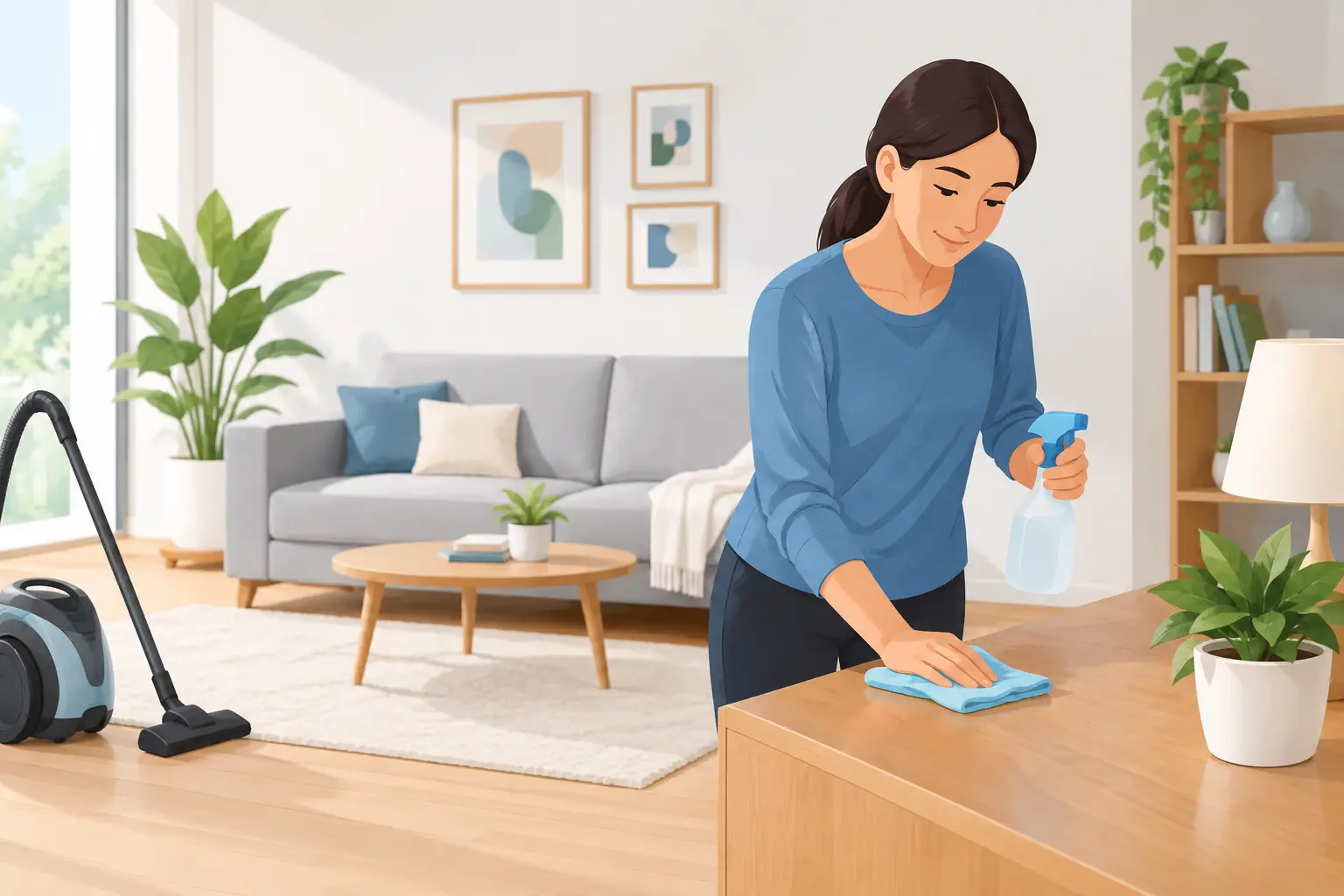
Daily habits can be small: dry the shower, hang wet towels properly, clear food spills, and check that the dishwasher and washing machine are not holding moisture. Weekly, clean bathrooms, mop hard floors, change bed linens, vacuum soft surfaces, and wipe kitchen cabinets around handles and sink areas. Monthly, inspect window tracks, closets, vents, behind toilets, under sinks, and the seals around appliances.
A deep cleaning is especially useful after a long rainy stretch, before hosting guests, when moving into a home, or when a busy season has made routine upkeep harder to maintain. For rental properties and Airbnb homes, humidity-aware turnover cleaning is not a luxury. It protects guest comfort and helps catch odors or moisture issues before they affect reviews.
When Professional Cleaning Makes Sense
Professional help is valuable when humidity has turned normal upkeep into a time-consuming project. Detailed cleaning can reach shower tracks, fixture bases, cabinet fronts, appliances, interior windows, and other areas where residue builds quietly. It also gives homeowners a fresh baseline for maintaining the home between visits.
For families, working professionals, and property managers in Deerfield Beach and nearby South Florida communities, Go Cleaning Maids can tailor a recurring or one-time service around the rooms and details that need the most attention. Licensed and insured service, pet-safe product options, flexible scheduling, and a satisfaction guarantee offer practical peace of mind when you are trusting someone with your home.
Humidity will always be part of living here, but a damp, stale home does not have to be. Keep moisture moving, clean buildup before it hardens, and treat recurring odors as a clue worth investigating. A few consistent habits can make walking through your front door feel cooler, cleaner, and far more comfortable.