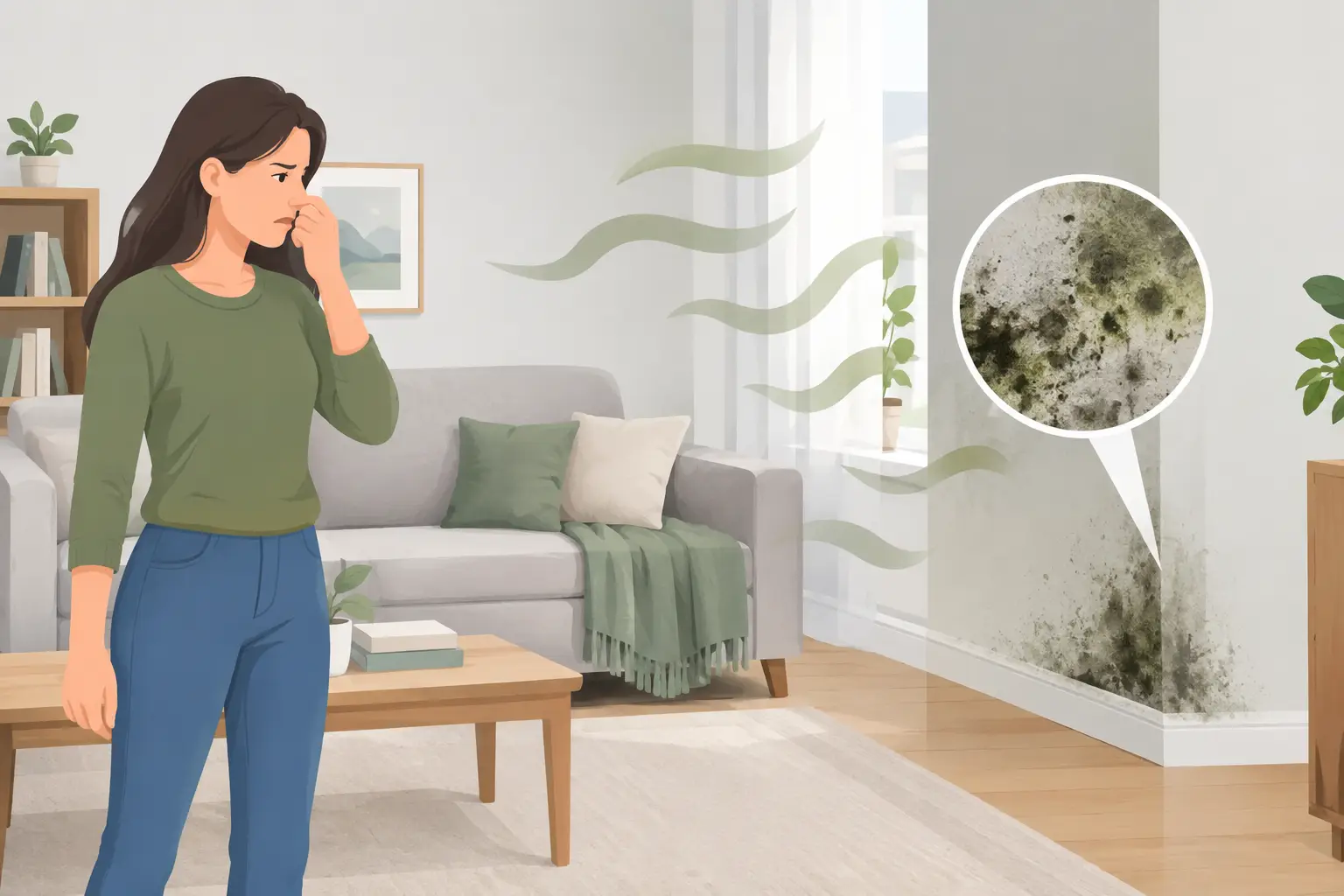
A musty smell rarely means your home simply needs more air freshener. When homeowners ask, why do homes smell musty, the answer is usually hidden moisture, trapped humidity, or organic material that has not fully dried. In South Florida, where warm, humid air is part of daily life, a faint stale odor can become noticeable quickly – especially after rain, a long trip away, or a busy season when cleaning routines slip.
The good news is that a musty home is often a solvable problem. The key is to find the source before trying to cover the odor. Fragrance may make a room smell better for an hour, but moisture and mildew need a more direct response.
Why Do Homes Smell Musty in the First Place?
That familiar damp-basement smell is created when moisture lingers long enough for mildew, mold, bacteria, or odor-producing particles to develop. The smell may be strongest in closets, bathrooms, laundry rooms, bedrooms, under sinks, or near air vents. Sometimes the source is obvious, such as a wet towel left in a hamper. Other times, it is behind a wall, beneath flooring, or inside an HVAC system.
A musty odor does not always mean there is a major mold problem. Dust, pet dander, body oils, damp fabrics, and poorly ventilated spaces can all contribute. Still, an odor that keeps returning after routine cleaning deserves attention. Persistent moisture can damage finishes, affect indoor comfort, and create conditions where mold can spread.
High humidity and limited airflow
Humidity is one of the most common reasons a clean-looking home starts to smell stale. When indoor humidity stays high, towels dry slowly, closets feel stuffy, and upholstered furniture can retain moisture from the air. Closed-up homes are especially vulnerable when residents are away during vacation or seasonal travel.
Air conditioning helps, but it does not solve every humidity issue. A system that is oversized, poorly maintained, or set to cycle too quickly may cool the home without removing enough moisture. Bathrooms without working exhaust fans and laundry areas with limited ventilation can add to the problem.
Small leaks that go unnoticed
Not every water problem leaves a puddle. A slow drip under the kitchen sink, a worn refrigerator water line, a leaking shower seal, or moisture around a window can dampen cabinets, drywall, and flooring over time. By the time you notice an odor, the affected material may have been holding moisture for days or weeks.
Check beneath sinks, around toilets, behind appliances, and along exterior-facing walls. Look for swollen baseboards, discoloration, peeling paint, warped flooring, or a damp feel in a particular area. These clues matter because cleaning the surface alone will not stop an active leak.
HVAC odors and dirty filters
If the smell is strongest when your air conditioner turns on, inspect the HVAC system. A clogged filter can hold dust and moisture, while condensation near the air handler or drain line may create an ideal environment for mildew. Dirty vents can also recirculate odors throughout the home.
Replacing filters on schedule is a simple first step. If you see standing water near the unit, notice recurring odors from the vents, or suspect a clogged condensate drain, contact a qualified HVAC professional. A cleaning team can refresh vent covers and surrounding surfaces, but mechanical issues need the right service professional.
Damp fabrics, rugs, and soft surfaces
Soft surfaces hold odors longer than hard floors and countertops. Bath mats, shower curtains, towels, throw pillows, area rugs, pet beds, and laundry baskets can all develop a musty smell when they remain damp or are not washed thoroughly enough. A rug that looks clean can still hold humidity, spills, and pet-related odors deep in its fibers.
Pay special attention after flooding, plumbing repairs, or a roof leak. If padding beneath carpet or a large rug became wet and did not dry quickly, professional assessment may be needed. For smaller washable items, laundering promptly and drying them completely often makes a meaningful difference.
How to Find the Source of a Musty Smell
Start by noticing where and when the odor is strongest. Does it appear only after a shower? When the AC runs? When you open a guest-room closet? A little detective work can prevent unnecessary cleaning and help you address the real issue.
Walk through the home with windows closed and the air conditioning running as usual. Smell near sinks, drains, vents, closets, laundry hampers, rugs, and upholstered furniture. Open cabinet doors under plumbing fixtures. If one room smells noticeably stronger than the rest, focus there first.
Drains deserve a quick check as well. A little-used shower, sink, or floor drain can smell stale when its water trap dries out. Run water for a minute in infrequently used fixtures. If the smell seems sewer-like rather than damp or earthy, or if it persists after running water, a plumber should inspect it.
Do not ignore visible mold, water-damaged drywall, or a recurring odor in the same location. Those signs can point to a moisture issue beyond normal housekeeping. A licensed water-damage, plumbing, mold-remediation, or HVAC professional can help determine what is happening behind surfaces or inside equipment.
Cleaning Steps That Actually Help
Once the moisture source has been corrected, detailed cleaning helps remove the residue that keeps a room smelling stale. Start with washable fabrics and frequently touched surfaces, then move to the overlooked areas where dust and humidity collect.
Wash towels, bath mats, bedding, shower curtains, and pet bedding according to their care labels. Empty hampers and clean the inside, especially if damp clothing has sat there. Vacuum rugs and upholstery thoroughly, including beneath cushions and along edges where dust builds up. If a fabric item cannot be fully cleaned or dried, consider whether it needs professional treatment or replacement.
In bathrooms and kitchens, clean grout lines, shower tracks, cabinet interiors, sink areas, and the space around trash cans. Dry these areas after cleaning rather than leaving water behind. Wipe down closet shelves, baseboards, and window sills, where humid air and dust can quietly create a stale smell.
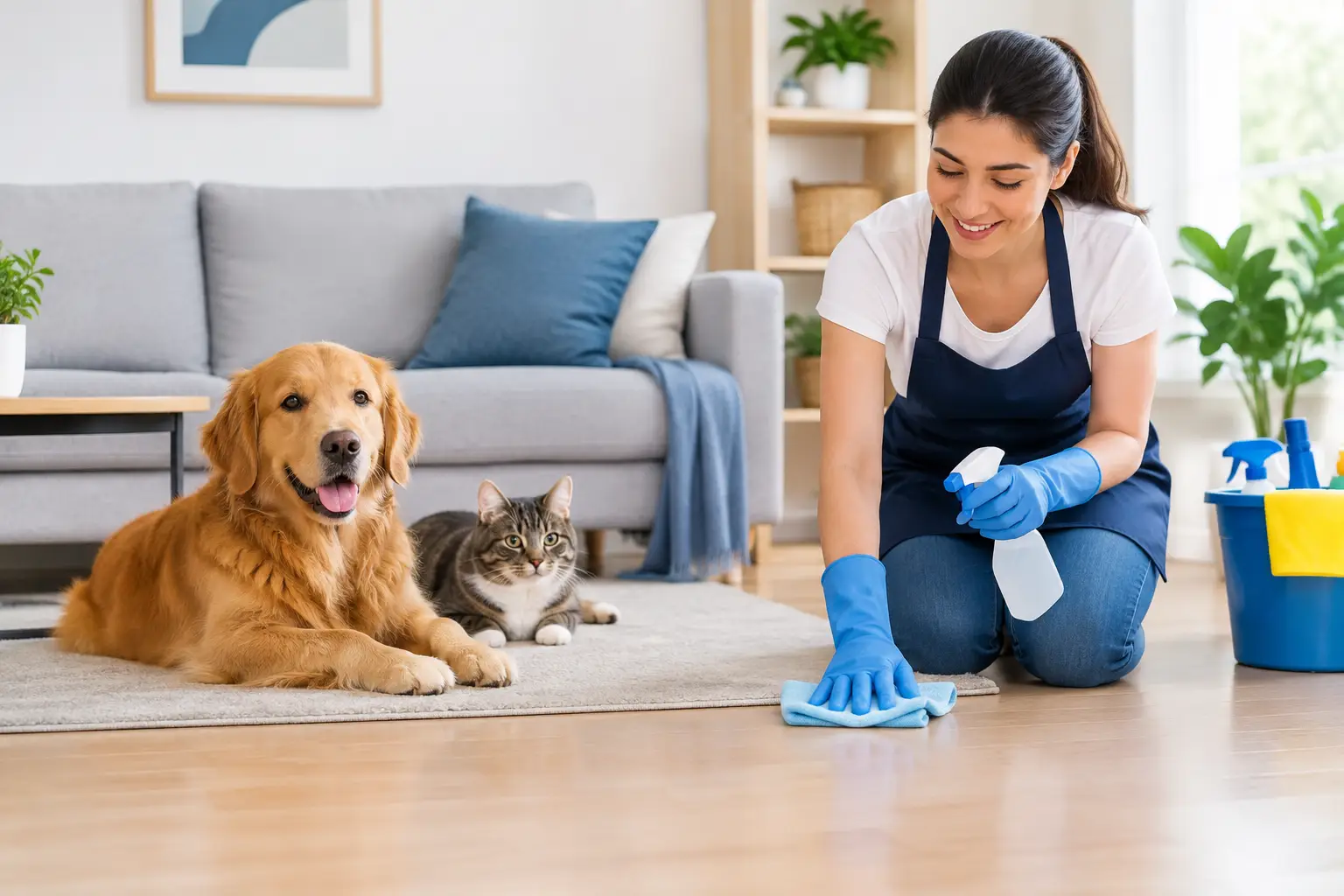
For households with pets, wash beds and blankets regularly, clean litter or feeding areas, and vacuum upholstered furniture more often. Pet-safe cleaning products are a practical choice when children and animals spend time on floors and soft furnishings. Strong fragrances can mask an odor temporarily, but they can also make it harder to tell whether the source has truly been removed.
Preventing Musty Odors From Returning
Prevention is mostly about keeping moisture moving out of the house and keeping damp materials from sitting too long. Run bathroom exhaust fans during showers and for a short time afterward. Avoid storing wet towels, swimsuits, or cleaning cloths in closed bins. Leave closet doors open occasionally in rooms that feel stuffy, particularly guest rooms that stay closed for long periods.
A dehumidifier can help in a problem area, but it is not a substitute for repairing a leak or maintaining the AC system. Keep indoor humidity at a comfortable level, and empty or drain the unit as directed. If you use a dehumidifier, clean it regularly so it does not become a source of odor itself.
Regular deep cleaning also matters because humid air makes ordinary buildup more noticeable. Dust on ceiling fans, residue in bathrooms, crumbs beneath appliances, and grime around fixtures can all contribute to a home that feels less fresh than it should. For busy households, a recurring cleaning plan can keep those details from becoming another weekend project.
A clean home should feel comfortable when you walk through the door, not like something is hiding in the closets or vents. If you have fixed the moisture source but need help refreshing the fabrics, bathrooms, floors, and overlooked surfaces that hold odor, Go Cleaning Maids can provide the detailed, pet-safe care that helps your space feel clean, calm, and ready to enjoy again.