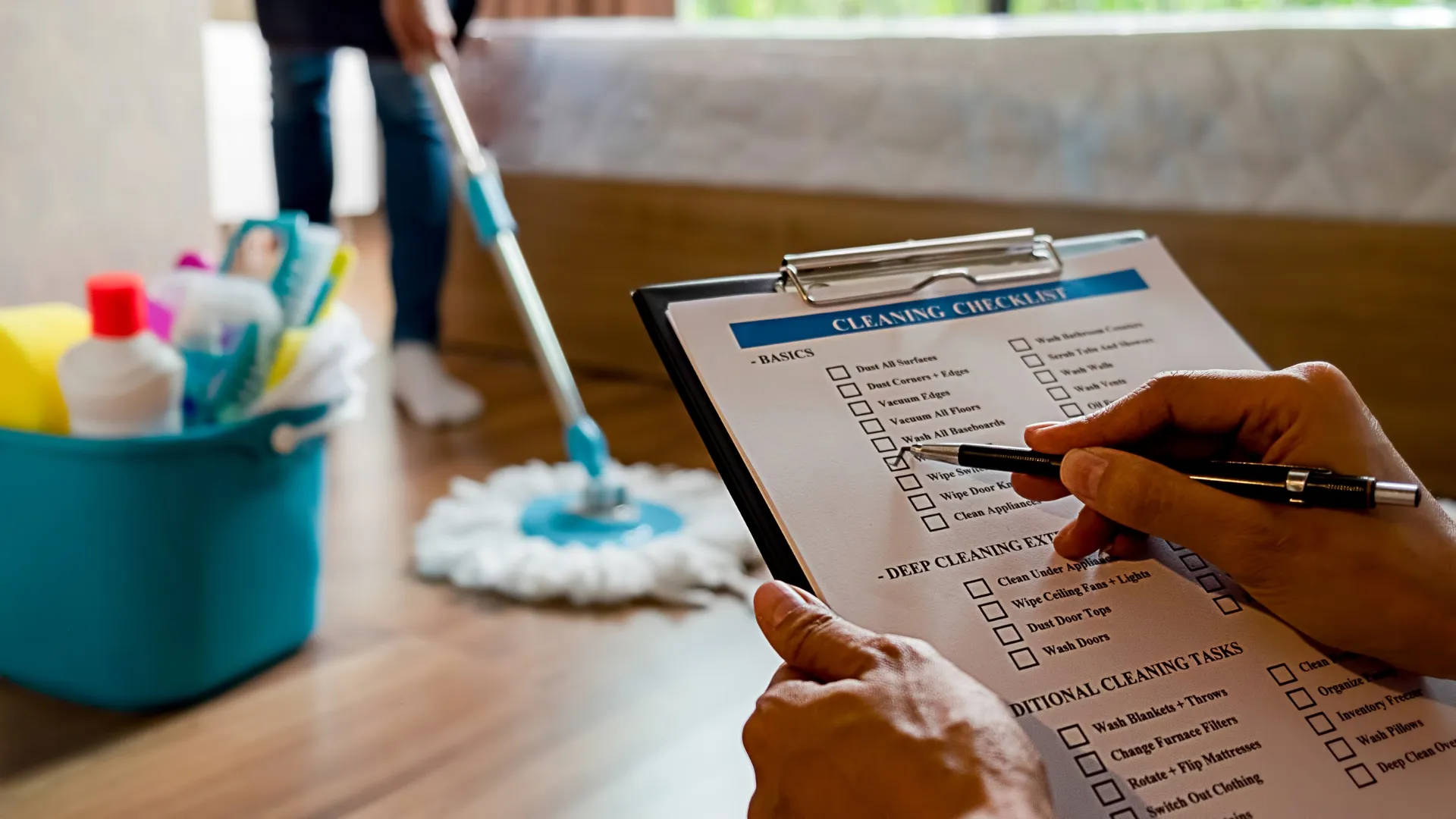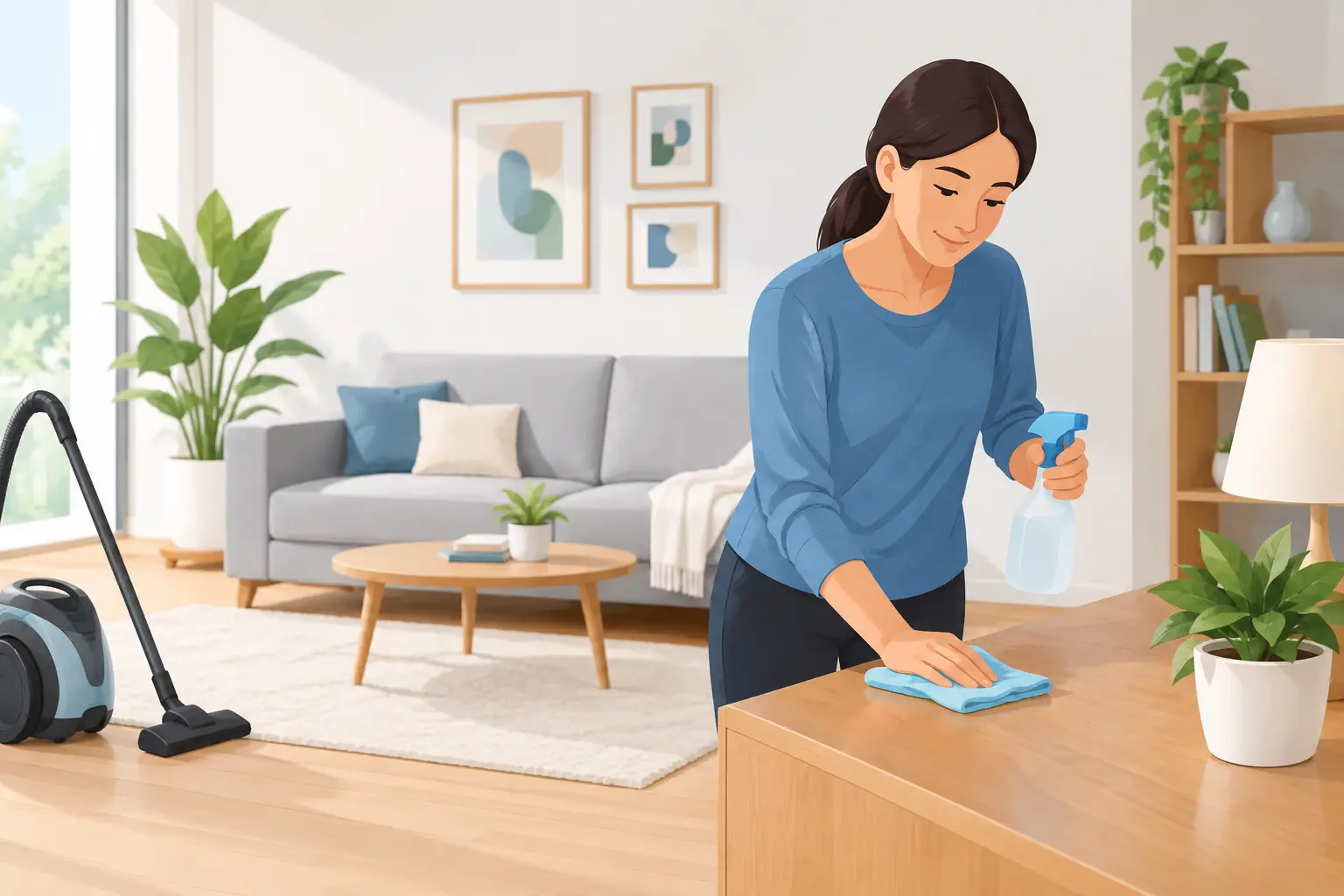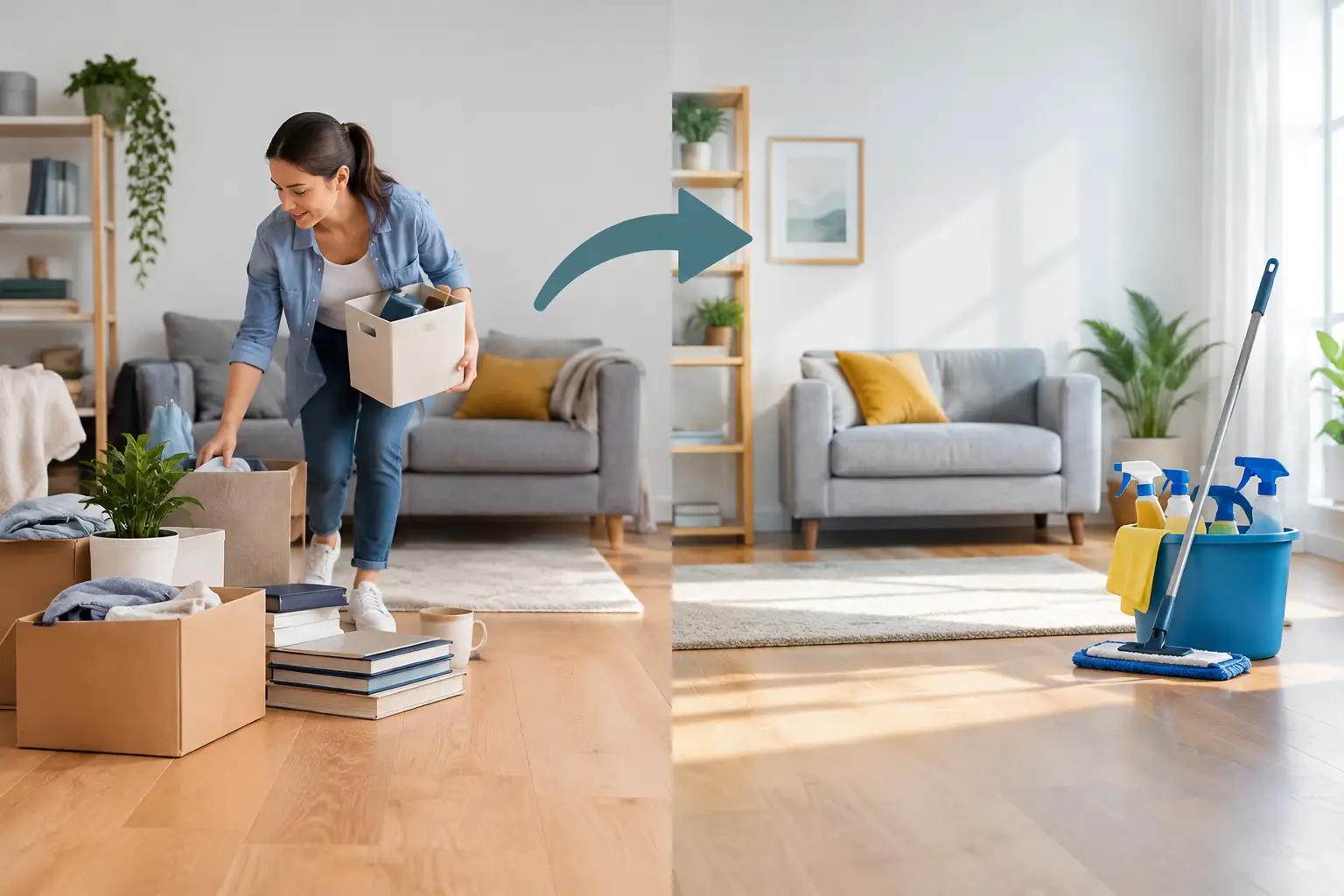
A kitchen counter covered in mail, lunchboxes, charging cords, and small appliances can still be cleaned, but it cannot receive the same detailed attention as a clear counter. That is why it helps to declutter before professional cleaning. A little preparation gives your cleaning team better access to the surfaces, floors, and fixtures you hired them to refresh.
This does not mean you need to spend your weekend organizing every closet or making your home look perfect before help arrives. Professional cleaning is meant to take work off your plate. The goal is simply to remove personal items, loose clutter, and obstacles that prevent effective cleaning. For busy South Florida households, that small step can make a deep clean, recurring visit, or move-out service feel noticeably more complete.
Why Declutter Before Professional Cleaning Makes a Difference
Cleaning and organizing are related, but they are not the same service. Organizing involves making decisions: where items belong, what to keep, what to donate, and how to arrange a space for daily life. Cleaning focuses on removing dust, soil, grease, buildup, and grime from the accessible areas of your home.
When a room is heavily cluttered, a cleaning professional has to work around items rather than clean beneath, behind, and around them. A desk full of paperwork may be dusted carefully around its edges, but the surface underneath cannot be fully cleaned without moving personal documents. A bathroom vanity crowded with skincare, razors, and makeup leaves less room to wipe and disinfect the counter thoroughly.
Decluttering also protects your belongings. Cleaners should not have to guess whether a stack of papers is important, whether a loose cable belongs to a work device, or where a sentimental item should be placed. Putting these items away yourself keeps decisions about your possessions in your hands while allowing the team to focus on the service scope.
There is also a value consideration. Whether you schedule a one-time cleaning or recurring maintenance, your appointment time is most productive when it is spent on cleaning rather than shifting household items from one spot to another. Clear spaces allow for more detailed work on the areas that affect how your home looks, feels, and functions.
What to Put Away Before Your Cleaning Appointment
You do not need to empty cabinets, strip every shelf, or pack your home into bins. Focus first on everyday items that cover surfaces or create safety concerns. Put away laundry, toys, shoes, mail, paperwork, pet accessories, and loose personal items from floors, counters, tables, and bathroom vanities.
In the kitchen, clear the sink if possible and move dishes into the dishwasher or a designated area. This gives the cleaner room to scrub the sink, wipe the surrounding counters, and address backsplash splatters and crumbs. If you would like the interior of your refrigerator, oven, cabinets, or other appliances cleaned, confirm that those services are included in your selected package or requested as add-ons. Emptying or partially clearing these areas in advance is often necessary for a thorough result.
In bathrooms, place medications, jewelry, toothbrushes, makeup, and personal grooming tools in drawers or a basket. This makes it easier to clean and disinfect vanity surfaces without handling private items. It also reduces the chance that something small gets misplaced during the visit.
Bedrooms benefit from a quick reset. Clear clothes from the floor, place personal papers in a drawer, and let your team know if there are rooms or surfaces you prefer they not enter. If bed linen changes are part of your request, leave fresh sheets in an easy-to-find location and communicate any preferences before the appointment.
For homes with pets, secure pets in a comfortable area if they may be nervous around new people, cleaning tools, or vacuum noise. Pet-safe products can support a more comfortable home, but a calm, secure pet also helps the cleaning team work efficiently and safely.
Focus on Access, Not Perfection
The most useful way to prepare is to think in terms of access. Can the cleaner reach the floor? Can they wipe the counter? Can they get to the shower walls, baseboards, or window ledges without moving fragile belongings? If the answer is yes, your home is likely ready.
This matters especially for deep cleaning. A deep clean is designed to address more detailed areas and accumulated buildup, but it still depends on reasonable access. If a bathroom floor is covered with hampers, scales, storage baskets, and towels, there may be limited time to clean the tile and baseboards underneath. If a living room is packed with boxes after a renovation or move, a post-construction or move-in service may require a clearer work area or a tailored scope.
Do not feel pressured to hide normal signs of life. A family home may have backpacks by the door, a home office may have active projects, and an Airbnb turnover may involve supplies waiting for the next guest. The key is to create a safe path and clear the areas where you want the greatest cleaning impact.
Tell Your Cleaning Team What Matters Most
Every home has priorities. One client may care most about a spotless kitchen before hosting relatives. Another may need bathrooms refreshed after a busy week, while a renter preparing to move may need careful attention to appliances, cabinets, and fixtures.
Before your appointment, take a moment to identify the two or three areas that matter most. Share concerns such as hard-water spots on shower glass, pet hair along baseboards, grease near the range, or fingerprints on interior glass. Clear communication helps your cleaning provider align the visit with your needs, especially when selecting between regular, deep, deluxe, move-out, or specialty cleaning options.
It is equally helpful to point out delicate surfaces or items that should not be touched. Natural stone, specialty finishes, heirlooms, and certain electronics may need particular care. A professional team will follow its cleaning procedures, but your guidance provides the household context no checklist can fully capture.
When You Should Not Do a Full Declutter First
There are situations where preparation should stay minimal. If you are recovering from illness, managing a new baby, facing a demanding work schedule, or preparing for a move, do what is realistic. Put away valuables and create clear walkways if you can, then communicate honestly about the condition of the space.
For an urgent cleanup after a party, a tenant turnover, or a last-minute real estate showing, it may be more useful to focus on trash, dishes, and obvious obstacles than on sorting drawers. Your cleaning provider can advise on the best service level and whether extra time, add-ons, or a separate organizing service may be appropriate.
The trade-off is straightforward: the more cluttered a room is, the less of its underlying surface can be cleaned during the scheduled visit. That is not a judgment on your home. It is simply a practical limit of time, access, and the need to treat personal belongings with care.
A Simple 20-Minute Preparation Routine
If your appointment is tomorrow and the house feels overwhelming, set a timer for 20 minutes. Start with the rooms included in your service, then collect loose items into labeled baskets, drawers, or one temporary holding area. Put dishes in the dishwasher, pick up clothing and shoes, clear bathroom counters, and make sure the cleaning team can access sinks, toilets, showers, and main floor areas.
Next, secure pets, remove or store valuables, and make note of any priorities or access instructions. You do not need to scrub, vacuum, or dust before professionals arrive. Save your energy for the small tasks that only you can do: deciding where your belongings belong and communicating what you need.
For recurring service, this routine becomes easier over time. Many homeowners find that a small reset before each visit helps the home stay manageable between appointments. It also allows the cleaner to consistently reach the details that make a space feel cared for, from clear bathroom fixtures to fresh floors and clean kitchen surfaces.
A professional cleaning appointment should leave you with more than a visibly cleaner home. It should give you room to breathe, reset, and enjoy the spaces you work hard to maintain. Clear a path, share your priorities, and let the cleaning team handle the rest.