A late turnover can turn an otherwise excellent Airbnb stay into a stressful afternoon. This Airbnb turnover time savings example shows how a host can recover 90 minutes between checkout and check-in without cutting corners on bathrooms, linens, kitchen details, or guest-ready presentation.
For South Florida hosts, that time matters even more during busy travel weeks, same-day reservations, and humid weather that makes towels, floors, and odors harder to manage. The goal is not to make cleaners work faster at the expense of quality. It is to remove avoidable delays, assign work in the right order, and have a dependable process for exceptions.
An Airbnb turnover time savings example
Consider a furnished two-bedroom, two-bathroom condo with a 10:00 a.m. checkout and a 4:00 p.m. check-in. The host handles restocking, while the cleaning team is responsible for cleaning, resetting beds, laundering linens on-site, taking photos, and reporting damage or missing items.
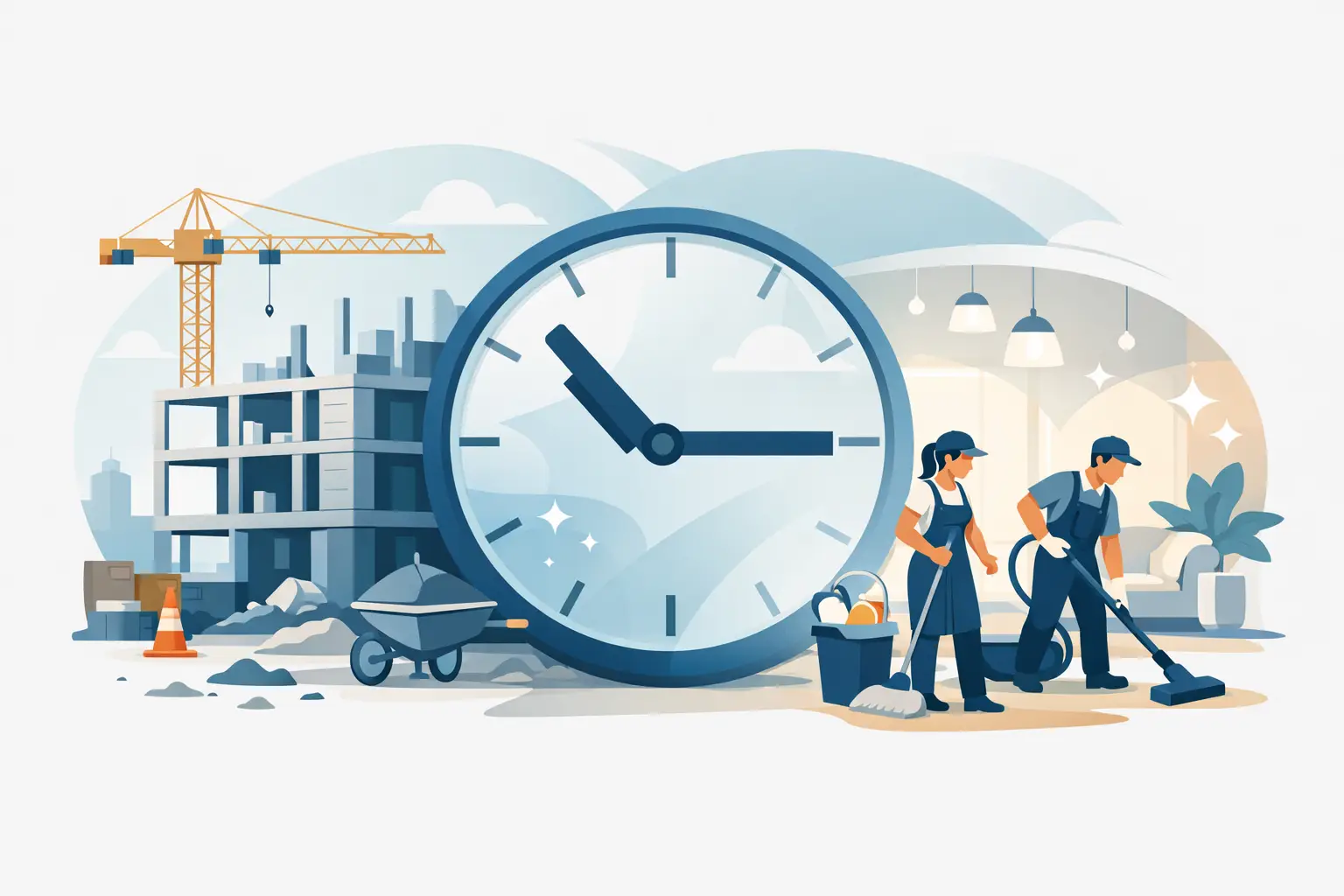
At first, the turnover takes four hours and 15 minutes. That is enough time on paper, but it leaves little room for a guest who checks out late, a heavily used kitchen, unexpected sand on the patio, or a load of towels that needs another dryer cycle. The property may be clean, but the host is still watching the clock.
After reviewing the workflow, the same home is consistently guest-ready in two hours and 45 minutes. The 90-minute savings does not come from skipping baseboards or rushing the bathroom. It comes from preparation and sequencing.
| Turnover task | Before | Improved process | Time saved | | — | —: | — | —: | | Arrival and initial walkthrough | 20 minutes | Start with a room-by-room checklist and photo-based issue reporting | 10 minutes | | Strip beds and start laundry | 35 minutes | Start laundry immediately, using labeled linen sets | 20 minutes | | Bathroom and kitchen cleaning | 105 minutes | Divide rooms by zone and stage supplies before arrival | 25 minutes | | Restocking and final staging | 40 minutes | Use a par-level inventory bin for each turnover | 20 minutes | | Final inspection and lockup | 55 minutes | Use a consistent final walk-through sequence | 15 minutes | | Total | 255 minutes | 165 minutes | 90 minutes |
This example assumes a two-person crew and a property that is generally well maintained. A larger home, a home with a washer and dryer that cannot keep pace with linen volume, or a checkout with unusual messes will need a different schedule. Still, the underlying lesson applies to almost every rental: time is usually lost in transitions, not in the actual act of cleaning.
Where Airbnb turnovers quietly lose time
The most expensive minutes are often the unplanned ones. A cleaner arrives and first looks for laundry, trash bags, toilet paper, or the correct replacement sheets. Someone notices that a guest used the last coffee pods only after the kitchen has been cleaned. The patio is left until the end, when rain or wet furniture slows down the final inspection.
These small interruptions create a chain reaction. When bedding is not started early, it becomes the final task holding up the property. When the team cleans one room completely before beginning another, laundry and drying time run in the background without enough attention. When restocking is scattered across closets and cabinets, the person doing the final check spends valuable time hunting for supplies.
In coastal communities, outdoor debris and sand are another common variable. A property near the beach may need a different entryway and patio routine than an inland condo. Humidity can also make it harder for freshly washed linens or bath mats to dry on schedule. A good turnover plan accounts for those realities instead of treating every checkout as identical.
Build time savings into the turnover, not into the cleaning standard
A reliable turnover begins before guests arrive. Hosts should keep at least two complete sets of linens per bed, plus enough towels to support the property’s maximum occupancy. Ideally, replacement sets are labeled by room and stored together. That allows beds to be remade immediately while used linens are washed, rather than waiting for one load to finish.
The same idea applies to supplies. Set a minimum stock level for essentials such as toilet paper, paper towels, trash bags, dish soap, dishwasher tablets, hand soap, coffee, and cleaning cloths. When inventory reaches that minimum, replenish it before the next turnover. A dedicated restocking bin is far more efficient than supplies distributed throughout the unit.
Cleaning should also follow a repeatable order. Many teams begin by opening blinds, checking for damage, collecting trash, stripping beds, and starting laundry. From there, one person can focus on bathrooms while another handles the kitchen, dusting, floors, and bedroom reset. High-touch surfaces, switches, remotes, handles, and appliance controls should remain part of the standard every time.
The best systems allow for quality control without making a rushed cleaner restart the whole job. A final walk-through should follow the same path at every property: entry, living space, kitchen, bedrooms, bathrooms, outdoor areas, then guest-facing details such as Wi-Fi information, remote controls, and thermostat settings. Photos after cleaning can give remote hosts confidence and create a clear record of the property’s condition.
When faster is not better
Not every turnover should target the same time. If a guest reports a spill, a pet-related issue, a broken item, or a maintenance concern, the correct response may be to extend the schedule or send additional help. The same is true after a long stay, a holiday weekend, or a reservation with a full guest count.
A host also has to separate cleaning time from total readiness time. A crew may finish cleaning in two and a half hours, while laundry, maintenance, or a delivery still prevents the home from being fully ready. Measuring only the cleaning clock can hide the real issue. Track the complete timeline from guest departure to a completed final inspection.
There is also a practical trade-off with very tight same-day turnovers. A four-hour gap can work well when the home is organized and the team knows the property. But if the calendar regularly depends on flawless timing, one late checkout or traffic delay can put the next arrival at risk. Some hosts protect the guest experience by building a buffer into their availability during peak periods or by using off-site laundry for larger properties.
A cleaner handoff creates more value than a shorter clock
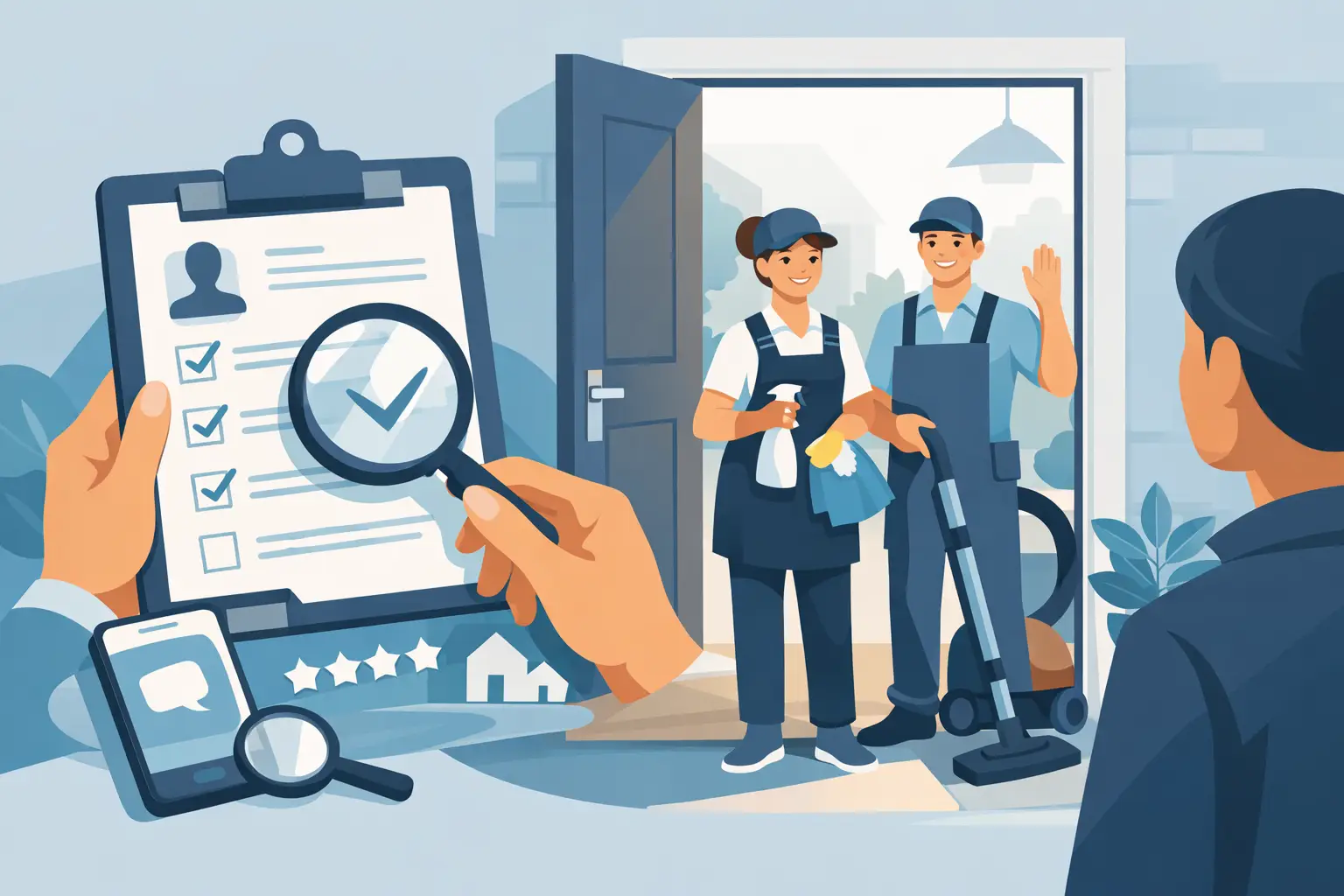
The strongest turnover process is a partnership between the host and the cleaning team. The host provides accurate property details, access instructions, linen locations, inventory expectations, and a clear process for approving extra work. The cleaning team provides consistency, fast communication, documented concerns, and a guest-ready standard that does not vary from one reservation to the next.
Professional Airbnb turnover cleaning can be especially helpful for hosts managing more than one property or living outside the immediate area. Go Cleaning Maids supports hosts who need detailed, dependable turnover care, including the small finishing touches that help guests feel welcomed rather than simply accommodated. Licensed and insured service, pet-safe products, and a clear scope of work can make delegation feel more comfortable when your rental is also a valuable investment.
Before changing your schedule, time three to five ordinary turnovers and write down where each delay occurs. The numbers will show whether your biggest opportunity is linen management, supply staging, task order, inspection, or simply having the right support in place. A calm, consistent turnover gives you more than saved minutes – it gives every arriving guest a home that feels ready for them.