Construction may be finished, but a space is not ready to enjoy when fine dust still coats the baseboards, adhesive clings to new fixtures, and every windowsill holds debris. Knowing when to schedule post construction cleanup helps you avoid cleaning too early, protect newly completed work, and open the door to a home or business that truly feels finished.
For homeowners, contractors, property managers, and rental hosts, timing matters as much as the cleaning itself. A thorough post-construction service removes the residue left behind after a build, remodel, repair, or installation so the final result looks as polished as it should.
Schedule Post Construction Cleanup After the Final Trades
The best time to book professional cleaning is after all major construction work is complete. That includes painting, flooring installation, cabinetry, countertop work, tile cutting, drywall sanding, electrical finishing, plumbing installation, and final touch-ups. If workers are still sanding, drilling, caulking, or unpacking materials, dust and debris will return quickly after the cleaners leave.
Ask your contractor whether the project has reached final completion, not simply whether the biggest work is done. A remodel can look complete while a painter still needs to return, appliances are waiting to be installed, or a final inspection may require access to unfinished areas. Scheduling after those details are resolved prevents duplicate work and helps your cleaning appointment deliver its full value.
For a full-home renovation or newly built property, many clients benefit from two phases of cleaning. The first is a rough clean once heavy debris, packaging, and construction materials have been removed. The second is a detailed final clean after every trade has finished. Smaller projects, such as a bathroom renovation or a single-room refresh, often need only one focused visit once the room is fully complete.
Give New Surfaces Time to Set
Fresh materials need consideration. Paint, grout, caulk, sealants, flooring finishes, and countertop treatments may need curing time before they can be safely cleaned. Your contractor or installer should provide product-specific guidance, especially for natural stone, hardwood, specialty tile, and newly sealed surfaces.
Do not assume that more cleaning pressure produces a better result. A professional team should use the appropriate products and methods for the material in front of them. Harsh chemicals, abrasive pads, or excess moisture can damage a finish that has not fully cured. This is particularly relevant in South Florida, where humidity can affect drying times for paint, caulk, and certain flooring or coating applications.
If the project timeline is tight, communicate that clearly when requesting your cleaning quote. The scope can be tailored around areas that are ready while avoiding surfaces that still need time. A flexible plan is better than risking damage to a brand-new installation.
Prepare the Property Before Cleaners Arrive
Post-construction cleaning goes faster and reaches a higher level of detail when the work area is ready. Contractors should remove their tools, leftover supplies, scrap materials, paint cans, and large debris before the appointment. Professional cleaners can handle dust, smudges, residue, and standard post-project debris, but hazardous waste, sharp construction materials, and disposal of large items require separate arrangements.
Before the team arrives, make sure utilities are on. Water and electricity are essential for effective cleaning, especially in kitchens, bathrooms, and properties with newly installed appliances. Air conditioning is also helpful in occupied South Florida properties because it supports comfort, ventilation, and a more controlled environment while dust is being removed.
It also helps to confirm access details in advance. Share gate codes, lockbox instructions, parking guidance, elevator procedures, and any building requirements. For commercial spaces or managed properties, designate one contact who can answer questions about completed areas, restricted rooms, and priority surfaces.
A few items deserve special attention:
- Remove personal belongings, valuable décor, and unsecured items from countertops, floors, and open shelving.
- Confirm that glass, mirrors, appliances, cabinets, and fixtures have been installed if they are part of the desired cleaning scope.
- Identify any delicate materials, such as marble, unfinished wood, specialty metals, or custom finishes.
- Take a quick walkthrough to note paint overspray, stickers, tape residue, grout haze, or areas that need extra care.
This preparation is not about doing the cleaning yourself. It gives your cleaning team a clear, safe workspace and allows more of the appointment to be spent on the detailed finishing work you hired them to perform.
What a Detailed Post-Construction Clean Should Address
Post-construction cleanup is different from a standard recurring cleaning visit. Fine dust can settle in places that are easy to overlook, including inside cabinets, along trim, on vents, behind doors, and around new fixtures. It can also continue to resettle after the first pass, which is why methodical top-to-bottom cleaning matters.
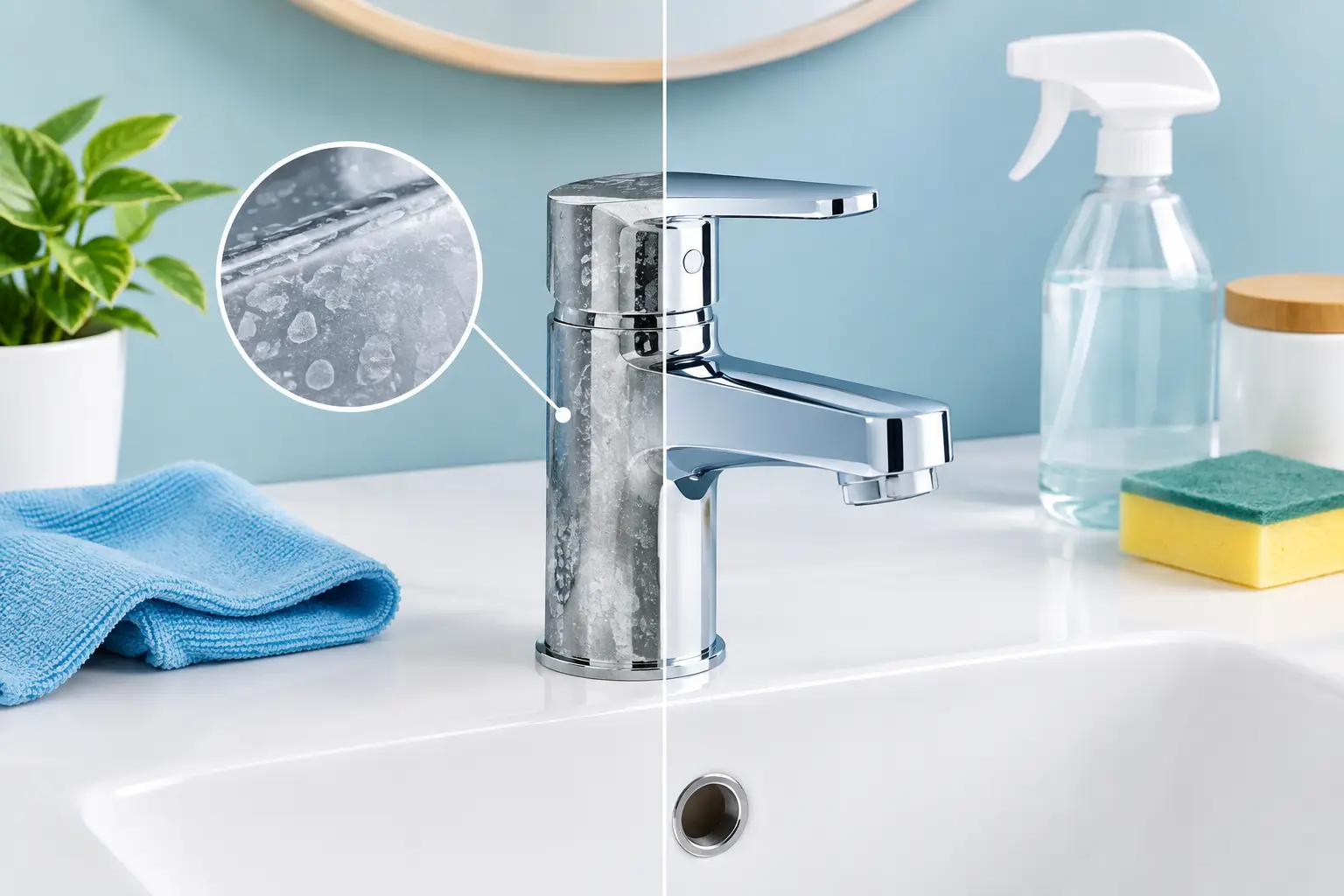
A detailed scope may include vacuuming and mopping floors, wiping baseboards and doors, cleaning interior windows and window tracks, removing dust from ledges and vents, and wiping cabinets inside and out. Kitchens and bathrooms often need extra attention for construction residue on sinks, faucets, tile, countertops, appliances, and light fixtures.
The right scope depends on the property and the project. A builder finishing a vacant home may need every room cleaned from ceiling details to floor edges. A homeowner completing a kitchen renovation may need focused care in the renovated area plus dust removal in nearby rooms. An Airbnb host may prioritize a guest-ready finish, including interior glass, bathrooms, fresh linens, and a clean presentation throughout the property.
When comparing quotes, ask what is included rather than relying on a single label such as “final clean.” Make sure the service addresses your actual needs: cabinet interiors, appliance interiors, windows, patio areas, blinds, fixture polishing, or cleaning after furniture delivery may be add-ons rather than standard inclusions. Clear expectations protect your budget and prevent last-minute surprises.
Allow Time Before Move-In or the Final Reveal
Whenever possible, schedule cleaning at least one day before moving furniture, stocking cabinets, welcoming tenants, photographing a listing, or hosting a grand opening. This buffer gives dust time to settle and leaves room for a final visual check. It is much easier to spot a missed sticker on a window or a dusty upper shelf before boxes and furnishings fill the space.
For a move-in, bring in furniture only after floors, baseboards, closets, and cabinets have been cleaned. For a commercial opening, schedule the cleaning before merchandise, equipment, and displays are placed. For property managers, arrange the final clean before inspection so the walkthrough reflects the property at its best.
Sometimes a compressed timeline makes a buffer impossible. In that case, prioritize the rooms that must be ready first, such as bathrooms, kitchens, bedrooms, customer-facing areas, or a staging zone. A reliable cleaning company can help you set a practical scope based on the time available instead of promising a rushed result that does not meet the moment.
Choose a Team Built for the Final Details
A post-construction property needs more than a quick dusting. Look for a licensed and insured cleaning company that can explain its scope, respond to scheduling needs, and use products appropriate for the surfaces in your home or business. If children, pets, tenants, or guests will soon be in the space, ask about eco-friendly and pet-safe cleaning options as well.
Go Cleaning Maids provides tailored post-construction cleaning for properties that need a careful final reset, from renovated homes to commercial and rental turnovers. A clear checklist and a satisfaction-focused approach give you confidence that the details behind the finished project receive the attention they deserve.
Your renovation represents time, planning, and investment. Schedule the final clean after the last trade has completed work, allow sensitive materials to cure, and give the property a little breathing room before move-in. That final step is what turns a completed project into a clean, comfortable space you are ready to use and enjoy.