A sparkling counter can look clean while still carrying germs from raw food, a sick family member, or the hands that touched it throughout the day. So, can cleaners disinfect as part of a professional visit? Often, yes – but cleaning, sanitizing, and disinfecting are separate tasks, and the result depends on the products, surfaces, and service scope you choose.
For busy households, that distinction matters. You deserve more than a vague promise to “clean everything.” Knowing what disinfection includes helps you request the right level of care, protect the people in your home, and avoid using strong products where they are not necessary.
Can Cleaners Disinfect During a Regular Visit?
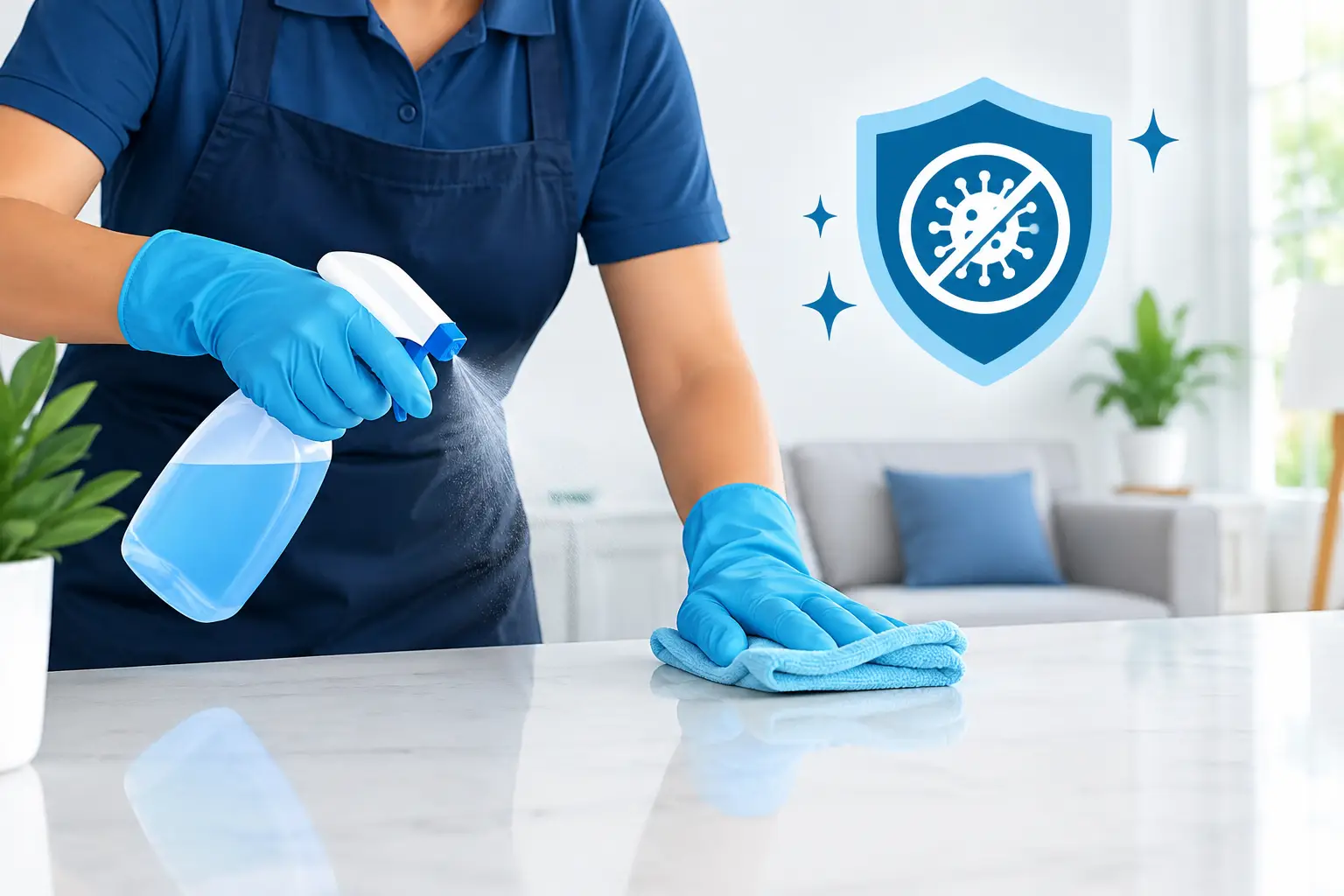
Professional cleaners can disinfect high-touch areas when that work is included in the appointment and the team uses an appropriate disinfectant according to its label directions. Common examples include bathroom fixtures, toilet handles, sink faucets, light switches, doorknobs, cabinet pulls, and frequently touched appliance handles.
However, disinfecting is not automatically part of every standard cleaning package. A regular cleaning is generally designed to maintain a tidy, comfortable home: removing dust, wiping accessible surfaces, cleaning bathrooms, vacuuming, and mopping. It may include sanitizing or disinfecting selected areas, but homeowners should not assume every surface receives a hospital-level disinfecting treatment unless that has been clearly discussed.
This is especially true for recurring service. Once a home is maintained consistently, the priority is usually keeping soil, dust, and buildup under control. A detailed disinfecting focus may make sense after illness, before a new baby arrives, following a move, or when a household member has a higher health risk.
Cleaning, Sanitizing, and Disinfecting Are Not the Same
The words are often used interchangeably, but they describe different levels of care.
Cleaning removes visible dirt and residue
Cleaning uses soap, detergent, water, and physical wiping or scrubbing to lift grime, crumbs, grease, dust, and many germs from a surface. It does not necessarily kill germs. Still, it is the essential first step because disinfectants work less effectively over dirt or greasy residue.
Think of a stovetop after dinner or a bathroom vanity with toothpaste and makeup on it. The surface needs to be cleaned before it can be properly disinfected.
Sanitizing lowers germs to a safer level
Sanitizing reduces the number of germs on a surface. It is commonly used on food-contact areas and frequently touched household surfaces. The exact standard can vary by product and setting, but sanitizing generally provides a lower level of germ reduction than disinfecting.
Disinfecting kills specific germs listed on the product label
Disinfectants are formulated to kill or inactivate certain bacteria and viruses on hard, nonporous surfaces. The label matters. A product may be effective against some organisms and not others, and it must remain wet for the stated contact time to do its job.
That last detail is easy to miss. Spraying a counter and immediately wiping it dry may clean the surface, but it may not provide the full disinfecting result the product is designed to deliver.
When Disinfecting Makes Sense at Home
Daily whole-home disinfection is rarely necessary for a healthy household. It can add time, cost, and chemical exposure without delivering much extra benefit over thoughtful routine cleaning. A more practical approach is to focus on the places and moments where germs are most likely to spread.
Disinfecting deserves extra attention after someone in the home has been sick, particularly with stomach illness, flu-like symptoms, or a contagious respiratory infection. It can also be helpful after a guest-heavy gathering, before and after a move, following an Airbnb turnover, or when preparing a home for a vulnerable family member.
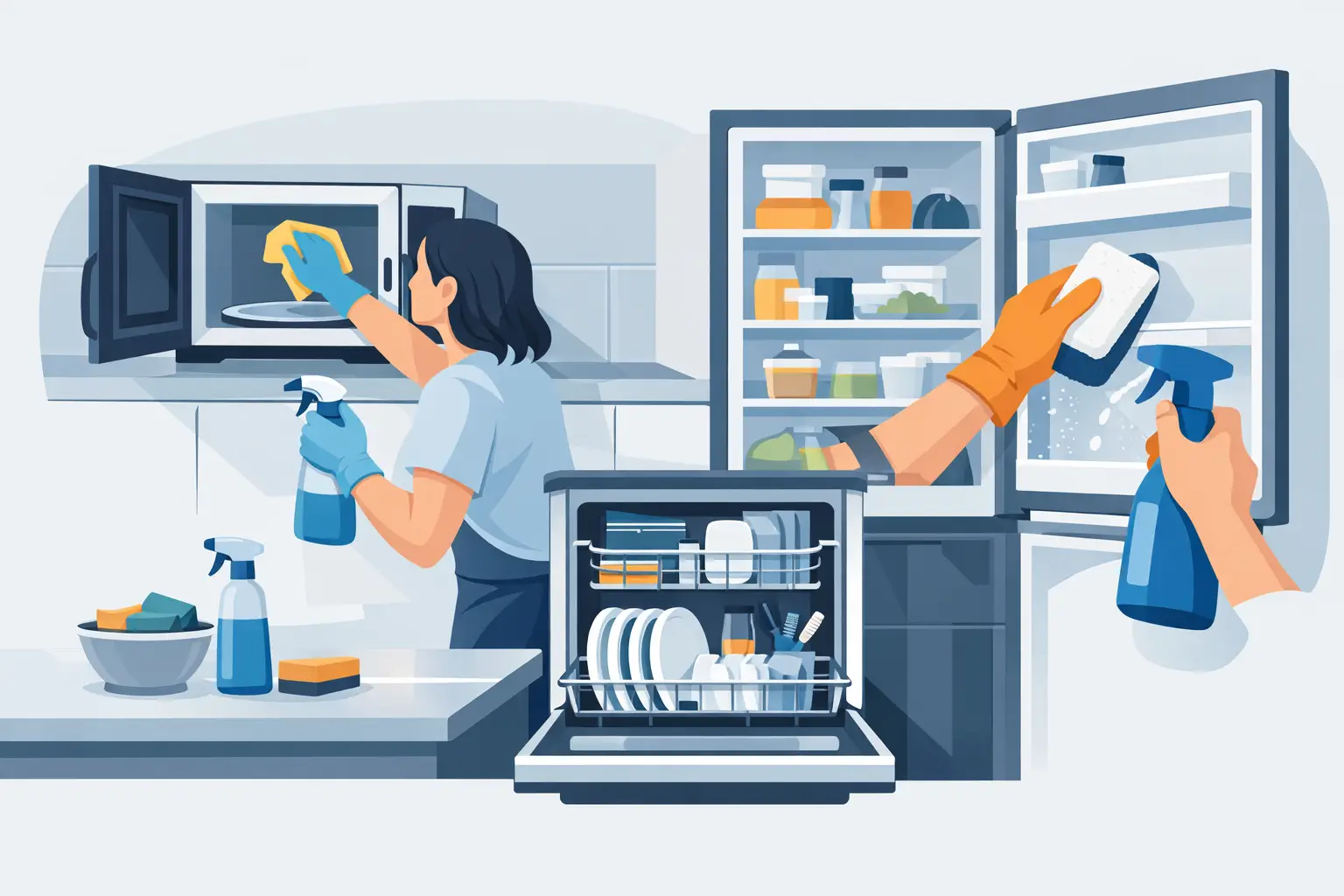
In a typical South Florida home, high-touch surfaces often deserve the first priority: bathroom handles and faucets, toilet flush levers, light switches, remote controls, refrigerator handles, microwave buttons, and entry door hardware. Kitchen counters should be cleaned carefully after preparing raw meat, poultry, seafood, or eggs. Not every room, wall, or decorative item needs the same treatment.
What a Professional Cleaning Team Needs to Do It Properly
Disinfection is not simply a stronger spray-and-wipe routine. A professional team should first remove soil from the surface, select a product suitable for the material, and follow the product’s directions for dilution, application, and contact time.
Surface compatibility matters. Natural stone, unfinished wood, certain metals, painted finishes, electronics, and delicate fixtures can be damaged or dulled by the wrong disinfectant. A reliable cleaner should not treat every surface as if it were ceramic tile or sealed laminate.
Ventilation matters, too. Bathrooms and kitchens benefit from fresh airflow when stronger products are being used. Cleaners should never mix products, especially bleach with ammonia or acids, because dangerous fumes can result. Pet-safe and eco-conscious cleaning practices are valuable for everyday maintenance, but homeowners should understand that a product marketed as gentle is not automatically a registered disinfectant.
A careful service balances these needs. The goal is a home that feels fresh and cared for without leaving behind unnecessary residue, harsh odors, or avoidable risk to children and pets.
Questions to Ask Before Booking Disinfecting Service
Before scheduling, explain why you are requesting disinfection. A post-illness visit has different needs than a move-out cleaning or a regular weekly appointment. Clear details allow the cleaning company to recommend the right scope instead of charging for a vague add-on that may not match the situation.
Ask whether disinfecting is included in your selected package or available as a requested focus. Confirm which high-touch surfaces will be addressed, whether the team uses products labeled for disinfection, and whether there are materials they will avoid. If someone in the household has allergies, asthma, pets, infants, or sensitivities, mention that before the appointment.
For illness-related cleaning, it is also reasonable to ask about practical safeguards. Will cleaners use fresh cloths between bathrooms? How are tools managed to avoid cross-contamination? Are frequently touched areas handled after general cleaning, rather than before? These process details are often more meaningful than a broad claim that a service is “germ-free.” No professional cleaner can guarantee that a lived-in home will remain free of germs after people return and resume normal routines.
A Better Approach Than Disinfecting Everything
The most effective home-care routine combines regular cleaning with targeted disinfection. Keep bathrooms and kitchens clean enough that disinfecting products can work when needed. Wipe food spills promptly, wash hands after using the restroom and before preparing food, launder towels regularly, and give special attention to shared touchpoints during illness.
For most homes, this approach is more sensible than routinely applying disinfectant to every surface. It protects the finishes you have invested in, reduces unnecessary chemical use, and directs professional cleaning time where it delivers the most peace of mind.
At Go Cleaning Maids, clear service expectations are part of caring for a home well. Whether you are booking a recurring visit, preparing for guests, or handling the extra work that follows an illness or move, share your priorities before service begins. A clean home should feel comfortable to return to – and the right level of disinfecting helps keep that comfort practical, personal, and well considered.