A kitchen counter can look clean and still carry cooking grease, food residue, or germs from raw ingredients. That is why the choice between green cleaners versus conventional products is about more than a fresh scent or a label. For busy households, pet owners, renters, and property managers, the better choice is the product that fits the surface, the mess, and the people who use the space.
Green cleaning is often a practical way to reduce harsh chemical exposure at home. Conventional cleaners can be highly effective for certain sanitation needs, especially after illness or in high-touch commercial spaces. The goal is not to choose one category blindly. It is to clean thoughtfully, protect your home’s finishes, and create a space that feels comfortable to return to.
What “Green” Really Means on a Cleaning Label
A green cleaner generally uses ingredients and manufacturing practices intended to have a lower impact on people, indoor air, waterways, or the environment than traditional alternatives. These products may be plant-based, biodegradable, low in volatile organic compounds, fragrance-free, or packaged with less plastic.
Still, “green” is not a regulated promise by itself. A bottle covered in leaves can contain ingredients that irritate skin, trigger scent sensitivities, or leave behind residue. Likewise, a conventional product is not automatically unsafe when it is used exactly as directed. The label, ingredient disclosure, dilution instructions, and intended use matter more than the color of the packaging.
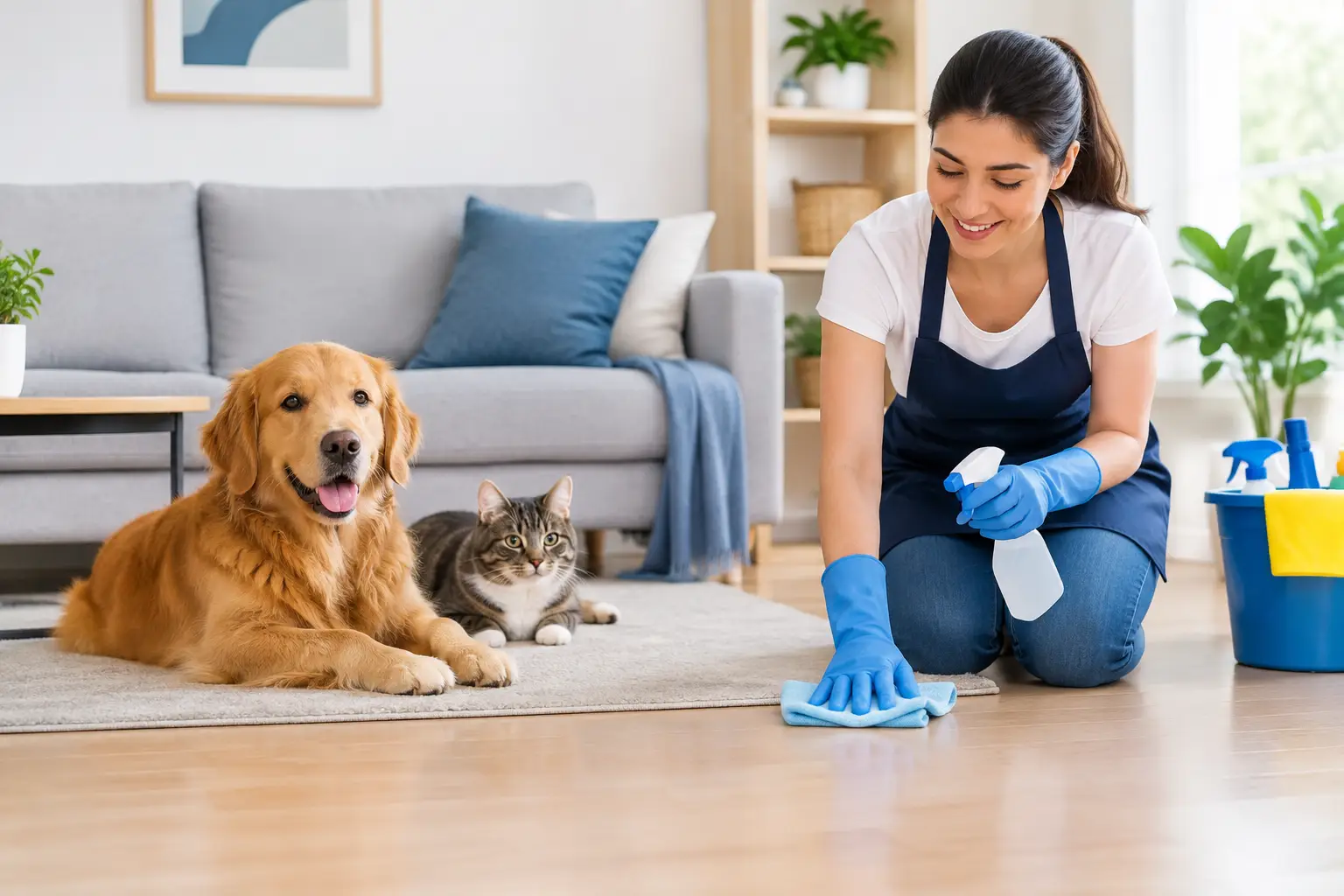
For a household with babies, pets, asthma, or fragrance sensitivities, low-odor and pet-safe options can make a meaningful difference in daily comfort. For a vacation rental or office, the priority may also include products that leave a neutral, clean presentation without an overpowering chemical smell.
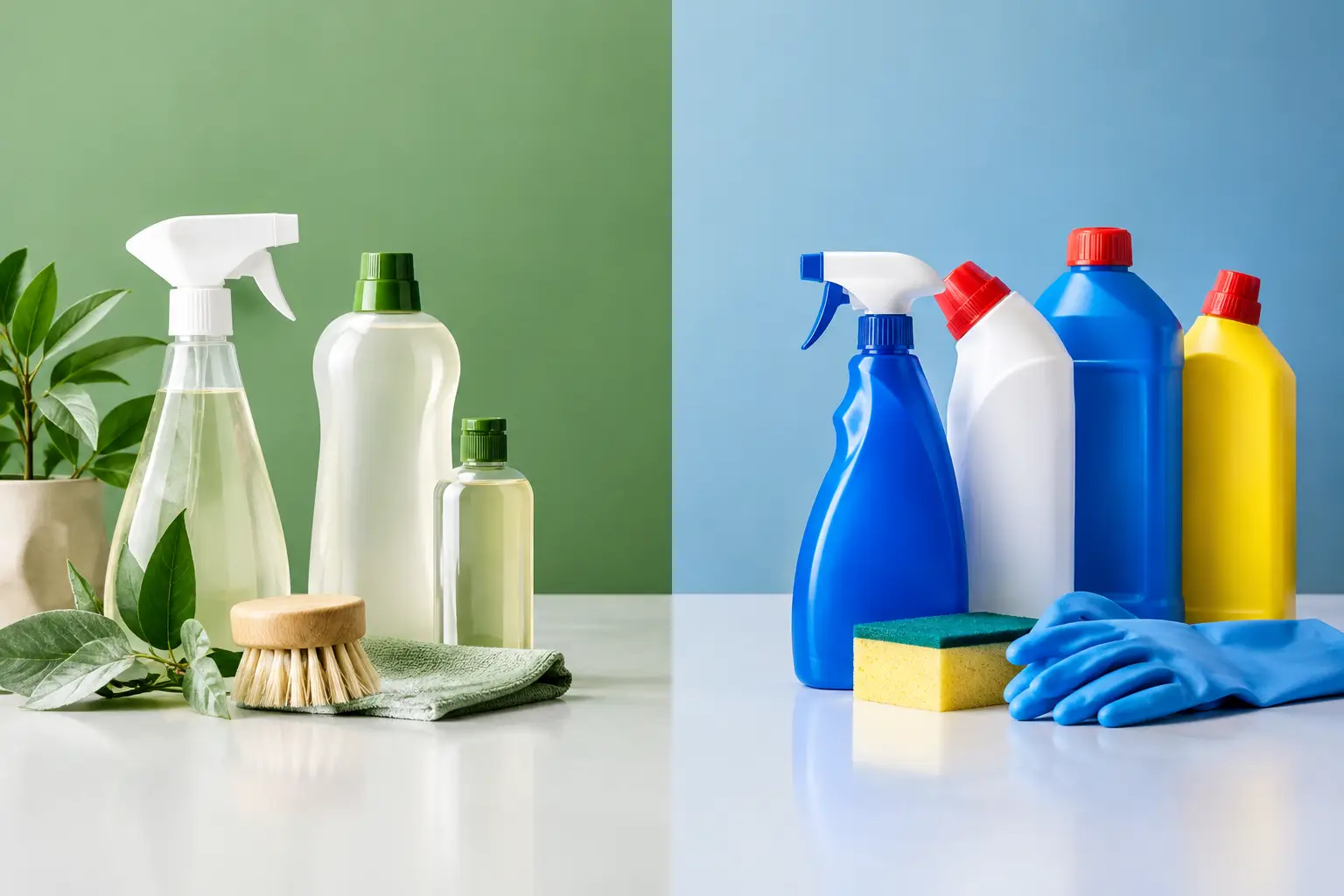
Green Cleaners Versus Conventional Products: The Real Differences
The main difference is usually the formula’s approach to cleaning. Green products often rely on surfactants, mild acids, enzymes, and mineral-based ingredients to loosen soil and lift it from a surface. Conventional products may use stronger solvents, bleaching agents, synthetic fragrances, and disinfecting chemicals to cut through grease, stains, or microbes quickly.
Neither approach wins every category.
For routine cleaning of sealed counters, bathroom fixtures, dust, fingerprints, and everyday floor soil, a quality green cleaner can perform very well. Used with clean microfiber cloths and enough contact time, it can remove the grime that makes a room look and feel neglected. Cleaning mechanics matter: wiping with a dirty cloth or rushing through a greasy stovetop will limit results no matter which product is in the bottle.
Conventional products can have an advantage with specific jobs. Heavy soap scum, mineral buildup, post-construction dust, baked-on oven residue, and certain mold or mildew concerns may require a specialized formula. A registered disinfectant may also be appropriate after a contagious illness, in a shared restroom, or on high-touch surfaces that need disinfection rather than ordinary cleaning.
Cleaning and disinfecting are not the same task. Cleaning removes dirt and many germs from surfaces. Disinfecting uses a product designed to kill or inactivate specific germs, and it must remain wet for the contact time listed on its label. Using a disinfectant everywhere, every day, can be unnecessary and may leave stronger odors or residue. Using only a gentle all-purpose cleaner when disinfection is needed can leave a gap in your cleaning plan.
Safety Is About Product Use, Not Just Product Type
A safer home starts with proper use. Even naturally derived ingredients can be irritating in concentrated form. Citrus oils, for example, may bother sensitive skin, and vinegar can damage natural stone or certain grout finishes. Mixing products is never a good idea, particularly when bleach, ammonia, acids, or unknown residues are involved.
Keep every cleaner in its original container, follow the recommended dilution, and store it out of reach of children and pets. Ventilate bathrooms and kitchens during deeper cleaning, especially in South Florida’s humid months when windows may stay closed and moisture lingers indoors.
Fragrance deserves extra attention. A strong “clean” smell is not proof that a home is cleaner. In fact, some families prefer unscented or lightly scented products because they do not compete with cooking odors, pet sensitivities, or allergies. If a family member gets headaches, coughing, or skin irritation after cleaning, switching to a fragrance-free product and improving ventilation may be worthwhile.
Consider the Surface Before Choosing the Bottle
The wrong cleaner can create more work by dulling, etching, stripping, or staining a finish. This is where a one-product-for-everything routine falls short.
Natural stone counters need a stone-safe cleaner rather than vinegar or acidic bathroom spray. Hardwood and luxury vinyl floors benefit from low-residue products used sparingly, since excess water can affect seams and edges. Glass shower doors may need a targeted mineral-removal product when hard-water buildup is present. Stainless steel often looks best with a gentle cleaner and a dry microfiber finish instead of a harsh abrasive.
For homes near the coast, salt air, humidity, and frequent indoor-outdoor traffic can add another layer of cleaning needs. Sand, sunscreen residue, and moisture around showers require consistent maintenance. A pet-safe neutral cleaner may be ideal for routine floor care, while a more targeted product can be reserved for mildew-prone grout or stubborn buildup.
How to Build a Balanced Cleaning Routine
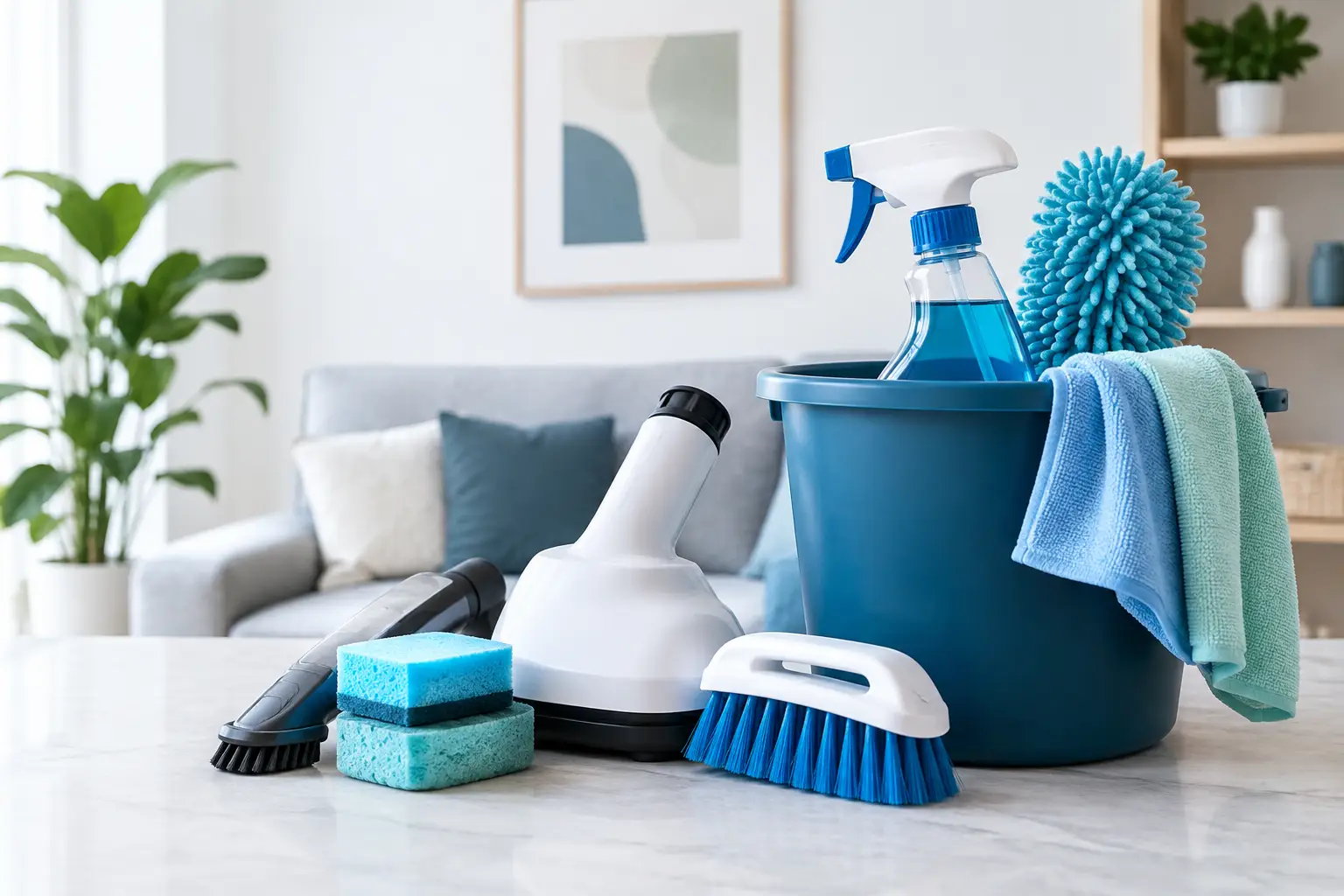
The most effective approach is usually a small, purposeful set of products rather than a cabinet full of random sprays. Start with a dependable all-purpose cleaner for routine wipe-downs, a bathroom cleaner suited to your tile and fixtures, and a floor product approved for your flooring. Add specialty products only when the job calls for them.
Use green or low-toxicity products for the tasks you repeat most often: kitchen surfaces, dining tables, dusting, mirrors, bathroom maintenance, and floors. This can reduce harsh odors and make regular upkeep more comfortable. Reserve stronger conventional products for targeted situations, such as a disinfection need, severe buildup, or a surface-specific challenge that gentler formulas cannot handle.
Professional cleaning also benefits from this balance. A trained team should assess materials, soil level, and the service scope before choosing products. At Go Cleaning Maids, eco-friendly and pet-safe options support everyday household care while detailed cleaning methods address the areas that need extra attention, from appliances and cabinets to fixtures and patios.
Watch for Greenwashing and Overpromises
A trustworthy product label should tell you what the cleaner is meant to do. Be cautious of vague claims such as “non-toxic” or “chemical-free.” Everything is made of chemicals, including water. A more useful claim identifies whether the product cleans, degreases, deodorizes, sanitizes, or disinfects, along with the surfaces it is safe to use on.
Look for clear instructions, ingredient information when available, and realistic directions for contact time. If a product promises to clean every surface, remove every stain, and disinfect instantly without any precautions, it may be overselling. Good cleaning takes the right product, proper technique, and a little patience.
Cost is another trade-off. Some green products cost more upfront, although concentrates can last longer when diluted correctly. Conventional products may seem economical but can lead to wasted product when used too heavily. Buying fewer products that match your actual surfaces often saves money and reduces clutter under the sink.
Choose for the Home You Actually Live In
A family with a crawling toddler may prioritize low-residue, fragrance-free floor care. A household with two dogs may need an enzyme cleaner for occasional accidents. An Airbnb host may want dependable products that remove guest residue quickly while leaving a fresh, welcoming space. A homeowner preparing for move-out or post-renovation cleaning may need stronger, surface-specific solutions for a limited time.
The best cleaner is not defined by a marketing label. It is the one that does its intended job safely, protects the materials in your home, and supports a cleaning routine you can keep up with. Start with gentler products for everyday care, bring in stronger tools only when the situation warrants them, and give each product the time and technique it needs to work. Your home should feel clean, comfortable, and cared for long after the cleaning supplies are put away.