A light coating on the TV stand a day after you cleaned it is not a sign that you are doing anything wrong. Dust is constantly entering, forming, and settling in every home. In South Florida, open windows, humidity, sand, pollen, pet dander, and busy family life can make it feel especially relentless. The best ways to reduce household dust focus on stopping particles at the source, capturing them before they circulate, and cleaning surfaces in the right order.
A completely dust-free home is not realistic, nor is it necessary. The goal is a home that feels fresher, takes less effort to maintain, and has fewer irritants collecting on floors, furniture, and air vents.
Why household dust returns so quickly
Household dust is a mixture, not one single thing. It can include soil tracked in from outside, skin cells, pet dander, fabric fibers, pollen, hair, cooking residue, and tiny particles that enter through doors, windows, and air-conditioning systems. The more soft furnishings, clutter, foot traffic, and pets a home has, the more places those particles can gather.
Air movement matters, too. A ceiling fan, an AC cycle, or a person walking through a room can lift settled dust back into the air. It then lands on the same surfaces you just wiped down. That is why an occasional surface wipe helps, but a more complete routine produces a noticeable difference.
Best ways to reduce household dust before it spreads
Start at the door
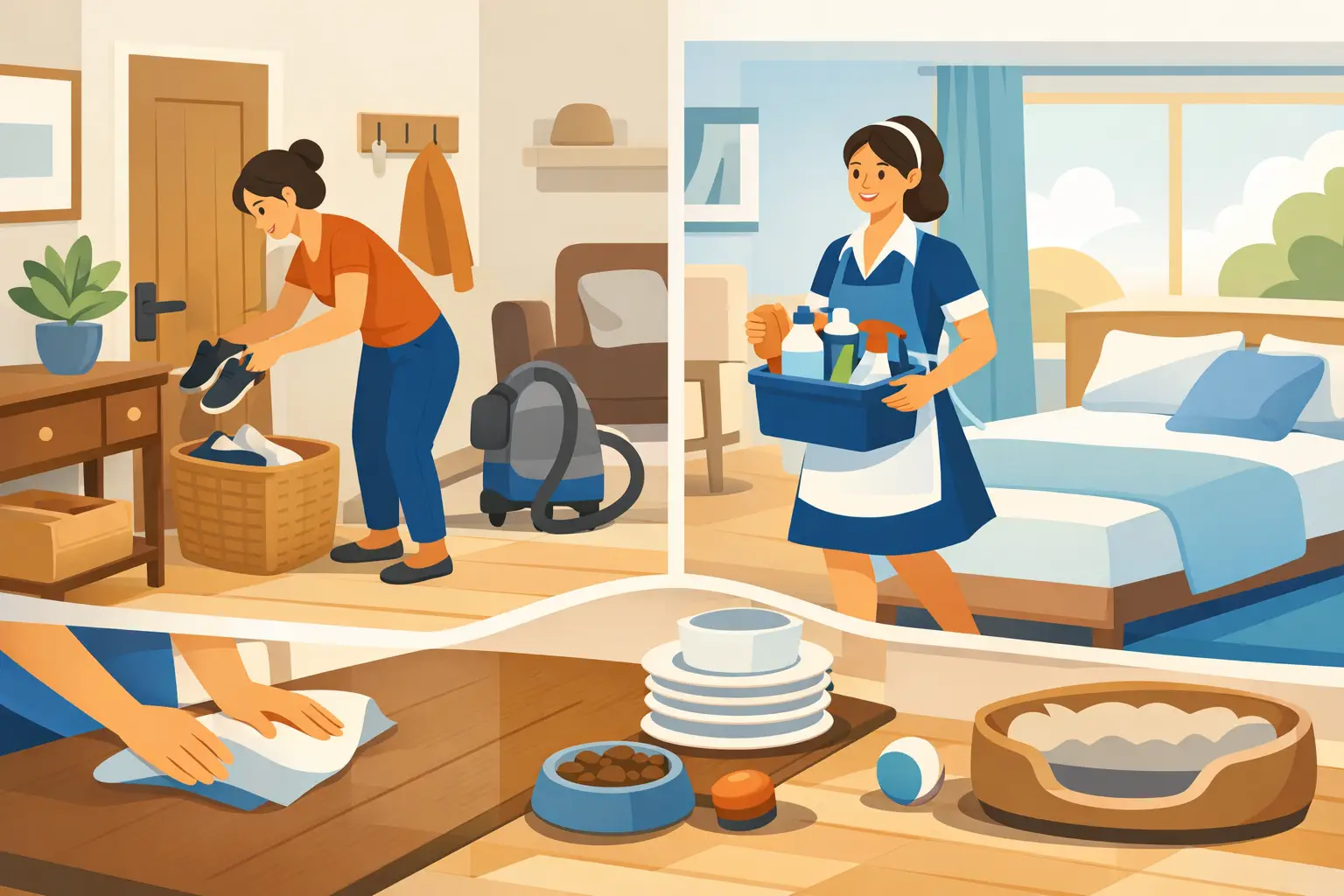
Much of the dust in a home begins outside. Place a durable mat outside each frequently used entrance and another washable mat just inside. Ask family members and guests to wipe their shoes well, and consider a shoes-off routine if it works for your household.
This is particularly helpful after beach days, yard work, rainy afternoons, or trips through parking lots and sidewalks. Vacuum or shake out entry mats regularly. A dirty mat eventually becomes another source of debris rather than a barrier.
Use your HVAC filter as a first line of defense
Your air-conditioning system moves air through nearly every room, so a neglected filter can contribute to dust circulation. Check the filter monthly and replace it on the schedule recommended for your system, sooner if you have pets, construction nearby, allergies, or heavy AC use.
Choose a filter rating that your HVAC manufacturer supports. Higher-filtration options can capture finer particles, but an overly restrictive filter may reduce airflow in some systems. If you are unsure what your home can handle, ask a qualified HVAC professional rather than simply choosing the highest number on the shelf.
Keep supply and return vents clear of furniture, curtains, and piles of belongings. Vacuum vent covers carefully with a brush attachment, and arrange periodic professional HVAC maintenance when buildup or performance issues call for it.
Control fabrics that hold onto dust
Upholstered furniture, rugs, bedding, curtains, and decorative pillows make a home comfortable, but they also trap particles. You do not need to remove every soft surface. Instead, select washable textiles where possible and give them a regular cleaning schedule.
Wash sheets weekly in the warmest water safe for the fabric. Launder comforters, blankets, and pillow covers routinely, especially in bedrooms used by children or pets. Vacuum area rugs slowly on both sides when practical, and use the upholstery attachment on sofas, chairs, and fabric headboards.
Heavy drapes can be beautiful, but they need attention. Vacuum them from top to bottom with a low-suction attachment or follow the care label for laundering or dry cleaning. If dust is a persistent concern, simpler washable window treatments can reduce maintenance.
Clean in an order that captures dust, not moves it around
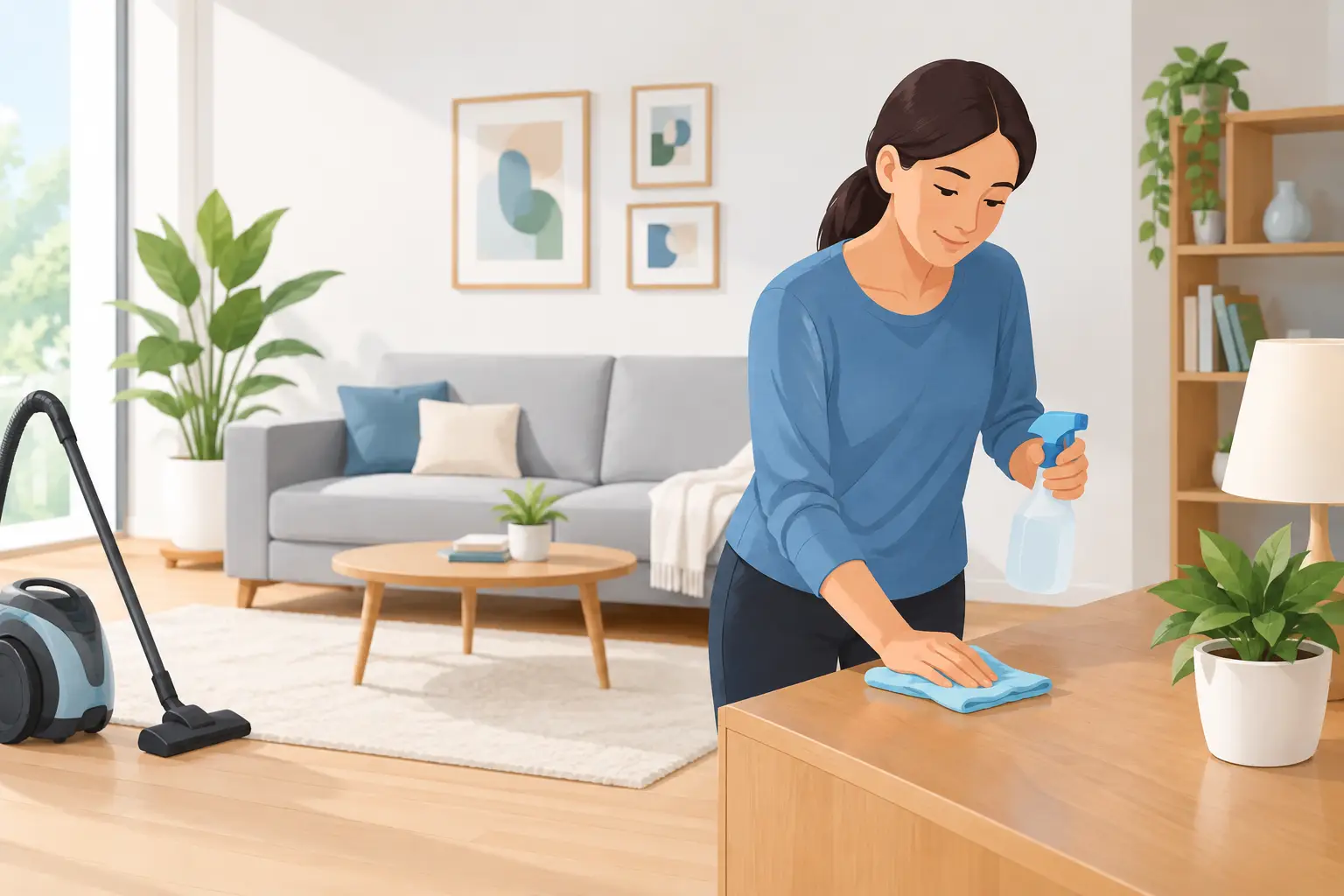
The right tools and sequence make regular cleaning more efficient. Dry feather dusters and rough cloths can send particles into the air, where they will settle again. A clean microfiber cloth, lightly dampened when appropriate for the surface, grabs dust instead of scattering it.
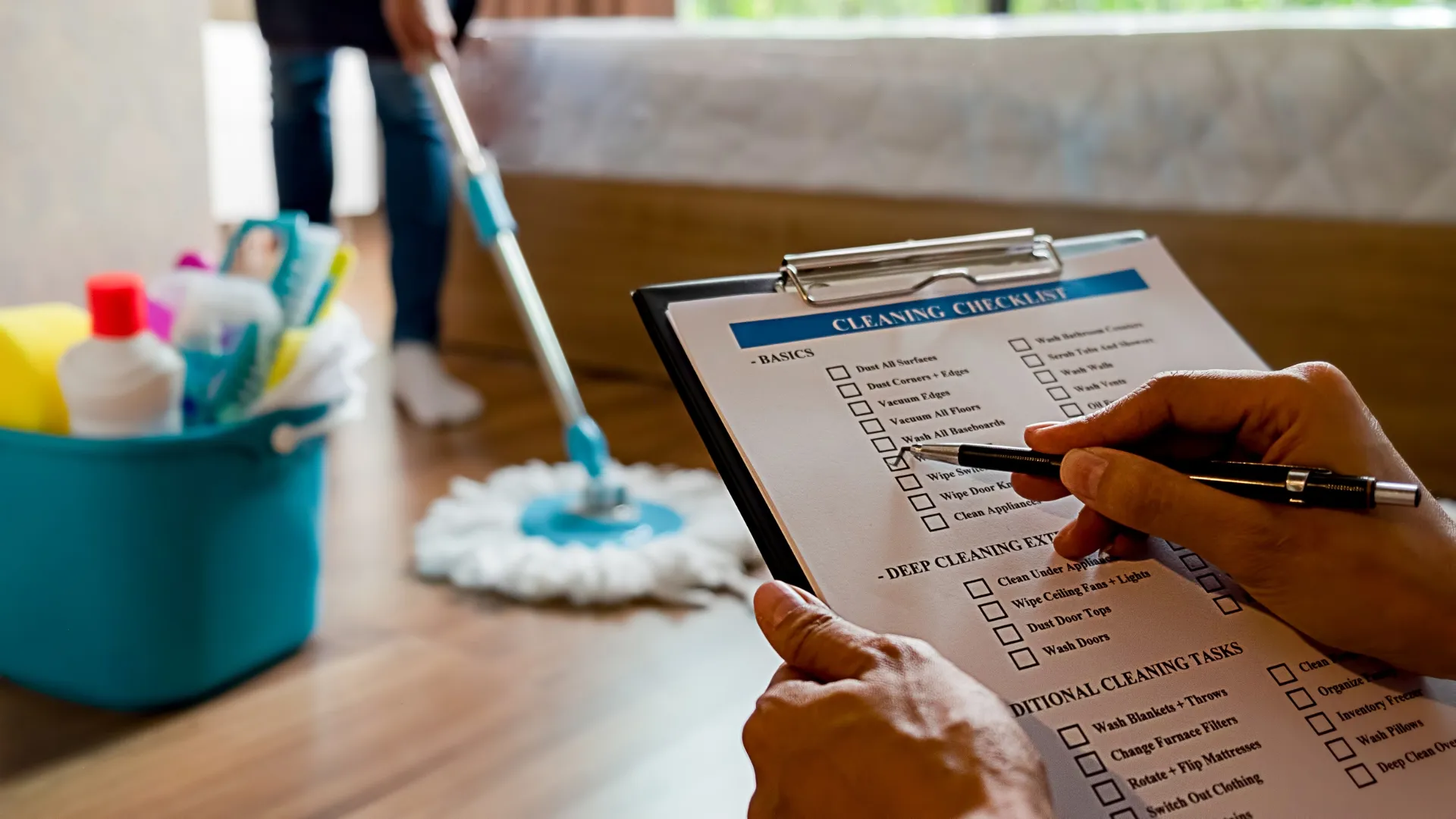
Work from high to low. Start with ceiling fan blades, light fixtures, upper shelves, door frames, blinds, and furniture tops. Then clean counters and lower surfaces. Vacuum floors last, including baseboards, corners, under furniture, and upholstered pieces. If you mop before vacuuming, fine grit can be left behind or turned into residue.
For most homes, a weekly dusting and vacuuming routine is a sensible baseline. High-traffic rooms, homes with shedding pets, or households with allergy concerns may need quick touch-ups between full cleanings. A professional-quality vacuum with a sealed system and HEPA filtration can be especially useful because it is designed to keep fine particles from escaping back into the room.
Reduce clutter where dust likes to hide
Clutter does not create dust, but it makes dust harder to remove. Stacks of papers, open shelving full of small decor, crowded countertops, and boxes stored on the floor all create ledges where particles settle.
Choose a few realistic changes rather than trying to make your home look empty. Store paperwork in closed files, keep off-season clothing in sealed bins, and use cabinets or baskets for frequently used items. On open shelves, leave enough space to wipe around objects without moving twenty things each time.
Bedrooms often benefit most from this approach. Keeping items off the floor and limiting under-bed storage to closed containers gives you fewer hidden dust zones and makes vacuuming faster.
Give pets a dust-reduction routine
Pets are part of the family, but dander and shed fur can quickly build up in soft furnishings. Brushing your pet regularly, preferably outdoors or in an easy-to-clean area, removes loose hair before it reaches the sofa and rug. Washing pet bedding weekly can also make a meaningful difference.
Vacuum the places your pet sleeps and lounges more often than the rest of the home. If your pet spends time outside, wipe paws after walks to reduce dirt, pollen, and fine debris brought indoors. Pet-safe cleaning products are a sensible choice for any surfaces your animals may lick or lie on.
Pay attention to humidity and open windows
Fresh air can make a home feel wonderful, but open windows also invite pollen, dust, and outdoor particles inside. It does not mean you should never open them. It simply means timing matters. On very windy, dry, or high-pollen days, keep windows closed and rely on your filtered AC system.
Humidity adds another consideration for homes in Deerfield Beach and across South Florida. Excess moisture does not necessarily cause dust, but it can make a dusty home feel less fresh and create conditions where mold may grow. Use bathroom exhaust fans, address leaks promptly, and consider a dehumidifier in damp rooms if your home regularly feels humid indoors.
Do not overlook the spots most people miss
The visible coffee table gets attention. The tops of cabinets, refrigerator coils, blinds, fan blades, lampshades, baseboards, and behind-the-bed space often do not. These areas can hold a surprising amount of dust, then release it during normal airflow or movement.
Build one or two of these tasks into each weekly cleaning rather than saving them all for an exhausting day. For example, clean blinds one week, fan blades the next, and baseboards the week after. A deeper seasonal cleaning can cover the areas that are less practical to maintain every week, including inside cabinets, window tracks, and behind large furniture.
Know when a deeper cleaning routine will help
If dust seems to return immediately despite good habits, look beyond the obvious. A recent renovation, nearby construction, aging ductwork, a worn vacuum filter, or a buildup in neglected areas may be contributing. Post-construction dust, in particular, is extremely fine and can settle repeatedly until it is removed with detailed methods.
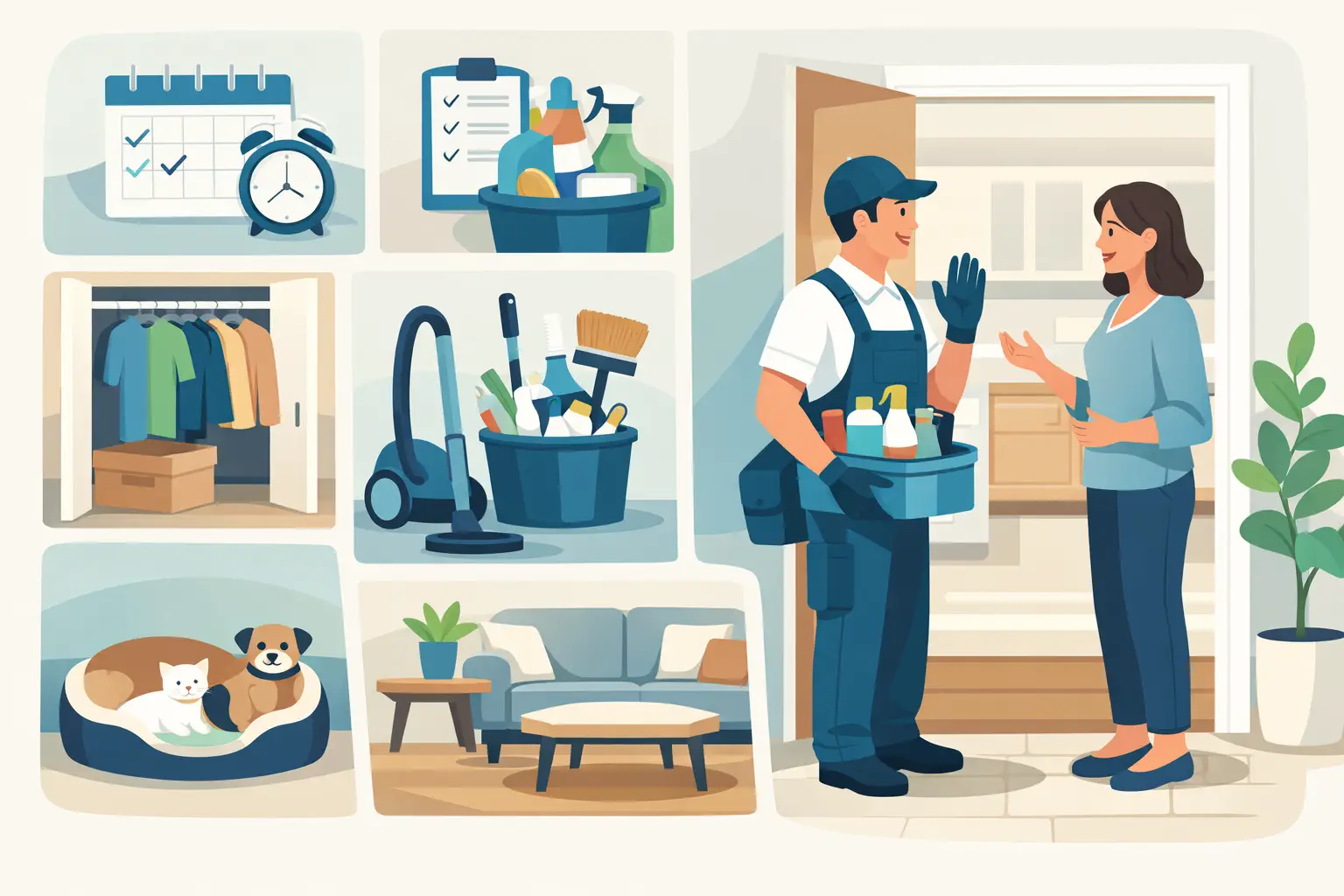
For busy households, the most effective plan is often a mix of simple daily habits and scheduled professional care. A recurring service can keep high-touch rooms, floors, baseboards, and dust-prone surfaces on track, while an occasional deep cleaning reaches the work that is easy to postpone. Go Cleaning Maids uses detailed, pet-safe cleaning methods to help homes feel cared for without adding another major task to your week.
A calmer, cleaner home rarely comes from one big cleaning day. It comes from small barriers at the door, cleaner air flow, fewer dust-catching surfaces, and a routine that gives attention to the places dust prefers to hide.