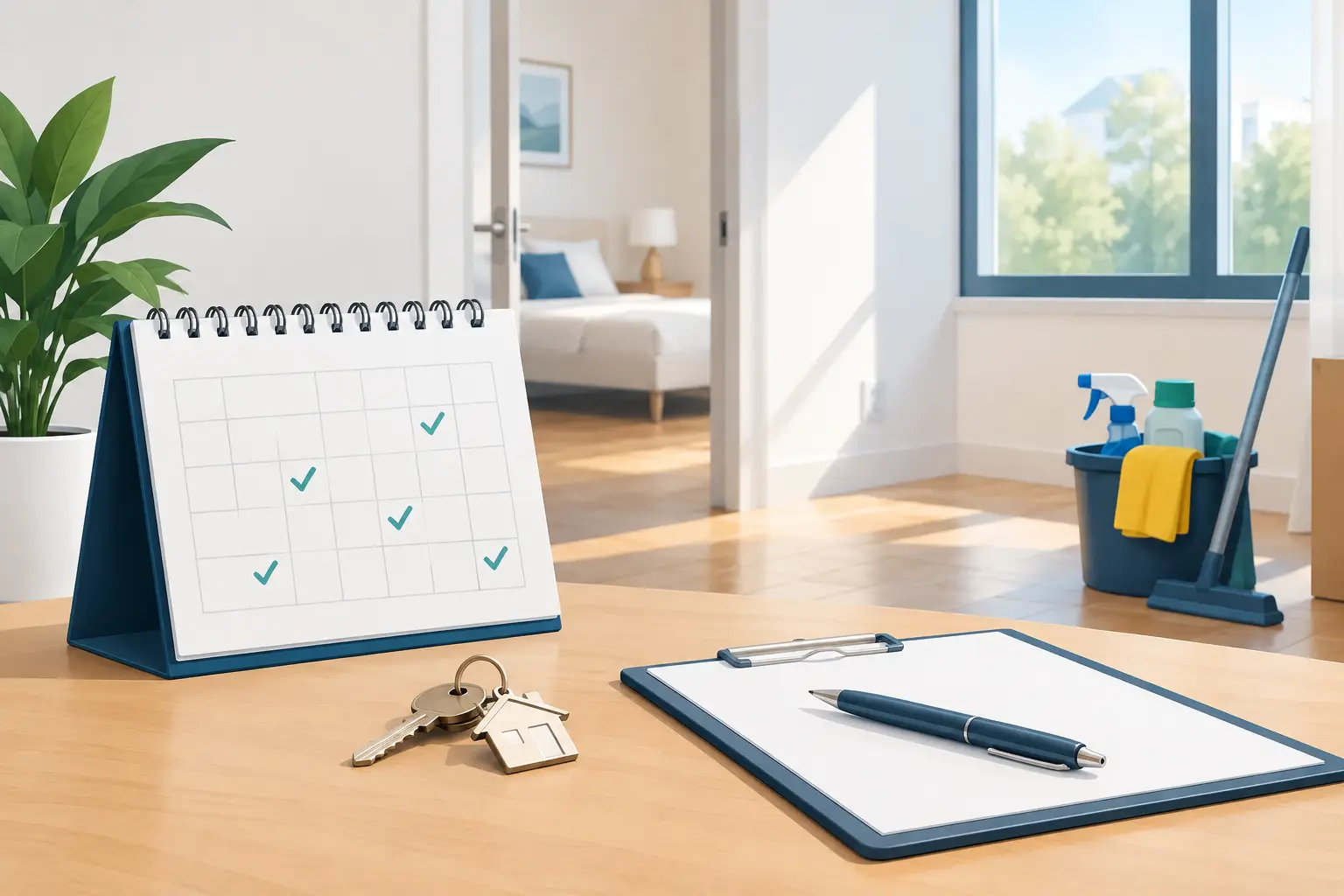
A vacant rental can get expensive quickly. One missed cleaning appointment, delayed repair, or unavailable vendor can push back move-in day, create a poor first impression, and leave income on the table. So, when should landlords book turnovers? The best answer is usually: as soon as a resident gives notice, with the final cleaning scheduled for the earliest confirmed date after possession is returned.
That approach gives you options when plans change. It also lets you coordinate cleaners, maintenance professionals, painters, inspectors, and new residents without trying to fit everything into one stressful 24-hour window.
When Should Landlords Book Turnovers?
Landlords should begin booking turnover services immediately after receiving a notice to vacate, even if the move-out date is still several weeks away. At that point, reserve your preferred cleaning provider for a tentative window around the lease end date. Confirm the appointment once you know when keys will be returned and when the home will be empty.
For most long-term rentals, the ideal final cleaning slot is one to three days after the resident vacates. That timing leaves room for a walkthrough, repair assessment, and any needed work before cleaners arrive. It also helps prevent a common problem: paying for a detailed clean, then having contractors create new dust, footprints, or debris afterward.
The right sequence matters. Cleaning should be one of the final steps before photography, showings, or a new move-in – not the first job completed after a tenant leaves.
Reserve the time before you need it
Booking early does not mean cleaning a home before it is ready. It means securing a place on a reliable provider’s calendar. This is especially helpful during busy rental periods, holidays, and South Florida’s seasonal moves, when cleaners and vendors may have limited availability.
A tentative booking also makes it easier to adjust the scope once you inspect the property. A well-kept unit may only need a standard move-out cleaning and touch-up work. A home with greasy appliances, neglected bathrooms, pet hair, or buildup in cabinets may need a deeper service and add-ons for windows, patios, or interior appliances.
Build the Turnover Around the Move-Out Inspection
The tenant’s final walkthrough is the turning point in your schedule. Plan it as close to move-out as your lease and local requirements allow. You need to see the actual condition of the home before deciding what must happen next.
During that inspection, separate normal wear from damage, document concerns carefully, and identify work that could affect the cleaning plan. A loose cabinet hinge, leaking faucet, damaged blind, stained carpet, or peeling paint may need attention before a cleaner arrives. If a repair is minor and contained, it may be completed after cleaning. If it creates dust, debris, or mess, schedule it first.
A practical turnover timeline often looks like this:
- When notice is received: place a tentative hold for cleaning and line up any likely maintenance support.
- One to two weeks before move-out: remind the resident of move-out expectations, key return procedures, and their responsibility to remove belongings.
- Move-out day or the following day: complete the inspection, photograph the property, and confirm the final service scope.
- After repairs and before the next resident arrives: complete professional cleaning, conduct a final quality check, and prepare the home for keys or showings.
This order is simple, but it protects the calendar. You avoid asking a cleaning team to work around movers, half-finished repairs, or items the former resident has not yet removed.
Do Not Book the Final Clean on the Lease End Date by Default
It can be tempting to schedule cleaners for the same day a lease ends, particularly when another resident is waiting to move in. Sometimes that works. More often, it creates unnecessary risk.
Residents may move out later than expected. They may still be loading a truck when your cleaners arrive, or they may leave furniture, trash, and personal items behind. If keys are not returned on time, vendors may not have legal or practical access to the home. You may also discover repairs that would undo the cleaning work.
Same-day turnovers make the most sense when the unit is small, the outgoing resident has a dependable move-out plan, the property has been recently inspected, and there is no major maintenance anticipated. Even then, build a backup plan. A delayed cleaner should not automatically mean a delayed move-in if another qualified team can step in.
For furnished rentals and short-term stays, the rhythm is different. Those properties often require same-day turnover cleaning between guests. In that case, the appointment should be booked as soon as reservations are confirmed, with clear check-out and check-in times. The cleaner needs an accurate checklist, access instructions, laundry expectations, inventory standards, and a fast way to report damage.
Leave a Buffer Before the New Lease Starts
A one-day vacancy buffer is valuable. A two- or three-day buffer is even better when your market and leasing timeline allow it.
The extra time is not wasted. It gives you room to address surprises without disappointing an incoming resident. A cleaner may identify a slow drain, an appliance issue, mold-like staining that needs professional assessment, or damage hidden behind furniture. A final walkthrough may reveal that a repair was completed poorly or that dust settled after painting.
If you promise a new resident possession at 9 a.m. the morning after another resident leaves, every vendor has to perform perfectly. That is a fragile plan. A small buffer turns a rushed turnover into a controlled handoff and gives the new resident a better first experience in the home.
For landlords with several units, track recurring lease end dates well in advance. A simple calendar that flags likely turnovers 60, 30, and 14 days out can prevent last-minute calls. You can begin checking vendor availability before notices arrive, then move quickly once a resident confirms their departure.
Coordinate Cleaning With Repairs, Painting, and Flooring
The best time for cleaning depends on the work order. In most cases, follow this rule: complete messy work first, then schedule detailed cleaning last.
Painting, drywall work, flooring replacement, tile repairs, pest treatment, and major appliance service can all leave dust, packaging, debris, or residue. Cleaning before those projects are complete may mean paying twice. On the other hand, a light pre-clean can be useful before contractors begin if the unit is heavily soiled and difficult to work in.
Communicate the schedule to every vendor. Let the cleaning team know whether painters have finished, whether water will be on, whether power is active, and whether contractors will need access afterward. Ask maintenance providers to remove their own debris when possible. Clear expectations protect the property and help the cleaning team focus on the detailed work that makes a rental feel ready.
For a larger turnover, consider dividing the service into two visits: an initial clean after the unit is emptied and a final touch-up after repairs. This can be worthwhile for homes with extensive work, but it is not necessary for every rental. The trade-off is cost versus certainty. For a straightforward move-out, one properly timed deep clean is usually more efficient.
Match the Cleaning Scope to the Property’s Condition
A turnover clean is not always the same as routine housekeeping. Incoming residents notice the details that are easy to overlook during a quick reset: grease inside the oven, crumbs in drawers, soap residue on shower doors, dust on ceiling fans, fingerprints on switches, and debris along baseboards.
Before booking, decide whether you need a maintenance-level service, a deep clean, or a move-in/move-out cleaning scope. Be honest about the condition of the unit and mention high-impact areas when requesting a quote. Interior cabinets, refrigerators, ovens, windows, patios, blinds, and pet-related concerns can require extra time.
For landlords in Deerfield Beach, Boca Raton, Fort Lauderdale, and nearby communities, a professionally planned turnover can be particularly useful when a property must be ready around a tight move-in date. Go Cleaning Maids can tailor a move-in/move-out or Airbnb turnover scope around the condition of the home, helping owners address the details a new tenant or guest will see first.
Prepare the Home Before Cleaners Arrive
Cleaning teams work best in an empty, accessible property. Confirm that personal belongings, trash, and abandoned furniture have been handled according to your lease and applicable requirements before the appointment. Ensure water and electricity are on, provide accurate entry instructions, and secure pets if anyone will be at the property.
It also helps to leave a short list of priorities. If a new tenant is especially concerned about the refrigerator, the patio, or the master bathroom, tell the team in advance. If there are areas that should not be touched because of pending repairs, identify those clearly. A few minutes of communication can prevent confusion and support a better final result.
After the cleaning is complete, do one last walk-through before handing over keys. Turn on lights, open cabinets, check appliances, flush toilets, and look at the home from the perspective of someone arriving with boxes and expectations. The goal is not perfection in every aging feature. It is a clean, safe, cared-for home that feels ready to become someone else’s space.
The strongest turnover schedule is not the fastest one on paper. It is the one that gives each step enough room to be done well, so your next resident walks into a home that feels genuinely prepared for them.