A cleaner can leave a countertop shining and still be the wrong fit for your home. When comparing eco friendly versus standard cleaners, the best choice is not always about choosing the strongest-smelling bottle or the product with the greenest label. It is about matching the product to the surface, the mess, and the people and pets who share your space.
For busy households, that decision matters. South Florida homes often contend with humidity, sandy floors, hard-water buildup, frequent indoor-outdoor traffic, and the occasional surprise left by a pet or child. A thoughtful cleaning approach protects your home while delivering the fresh, comfortable result you want to come back to.
Eco Friendly Versus Standard Cleaners: The Real Difference
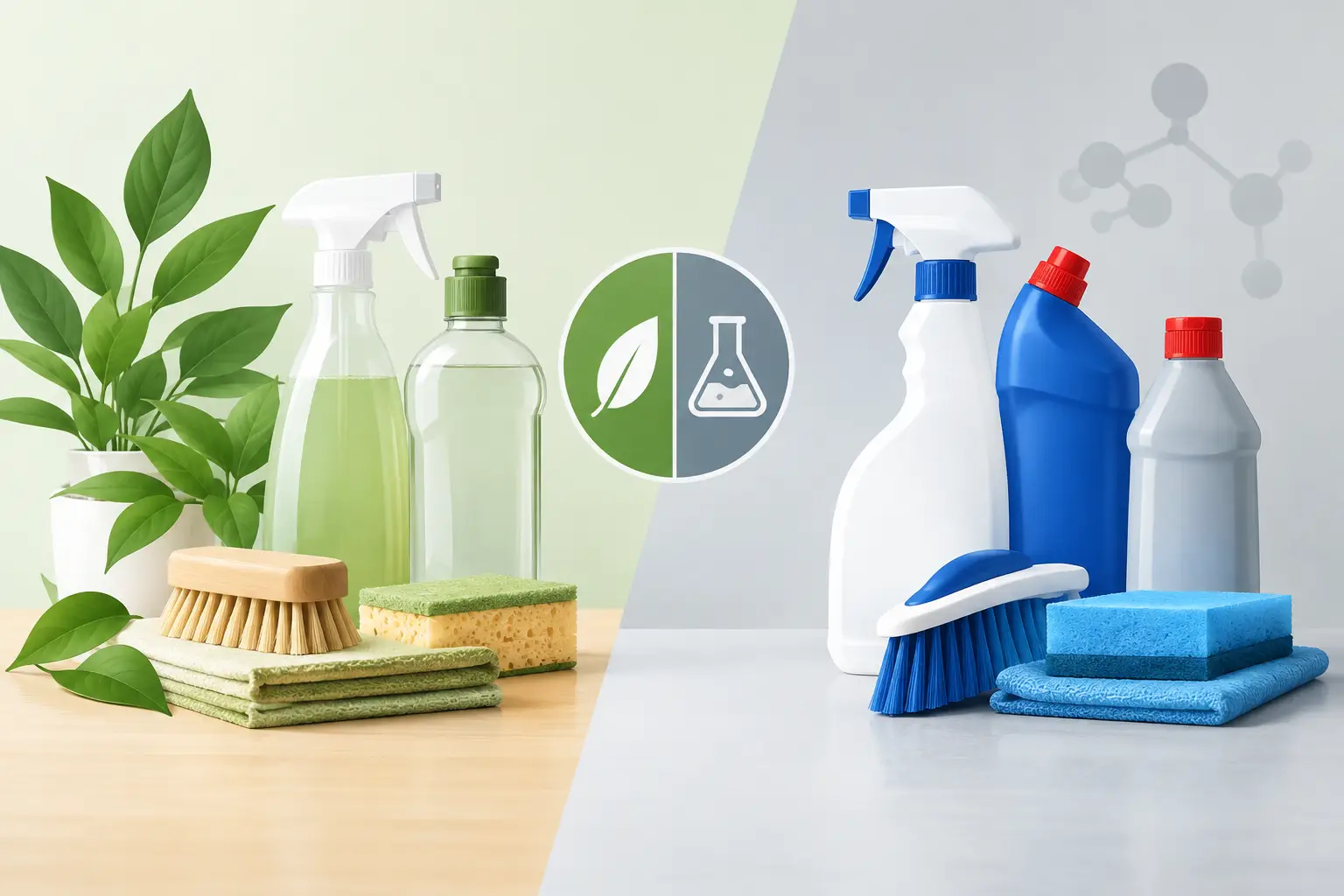
Standard cleaners are a broad category. They may include conventional degreasers, bathroom sprays, glass cleaners, disinfectants, bleach-based products, and heavily fragranced formulas. Many are highly effective on specific jobs, especially stubborn grease, mineral deposits, soap scum, and sanitation concerns. Their trade-off can be stronger fumes, more caution around mixing and storage, and ingredients that some households prefer to limit.
Eco-friendly cleaners are also not one single type of product. In general, they are formulated to reduce harsh ingredients, use more readily biodegradable components, or limit certain solvents, dyes, and artificial fragrances. Many are designed with indoor air quality, pets, children, and lower environmental impact in mind. However, “eco-friendly” does not automatically mean non-toxic, allergy-proof, or safe to use on every surface.
The practical difference comes down to formulation and purpose. A plant-derived all-purpose cleaner may be excellent for routine wiping, sealed counters, cabinet fronts, and everyday floor care. A stronger product may be necessary for a neglected oven, heavy shower scale, post-construction residue, or a surface that requires disinfection after illness.
Cleaning Power Is More Than a Strong Scent
A common misconception is that a product must smell sharp or perfumed to be working. Fragrance may create a feeling of freshness, but it does not measure whether a surface has been properly cleaned. Cleaning removes visible dirt, oils, crumbs, and residues. Sanitizing and disinfecting are separate processes with their own product directions and contact times.
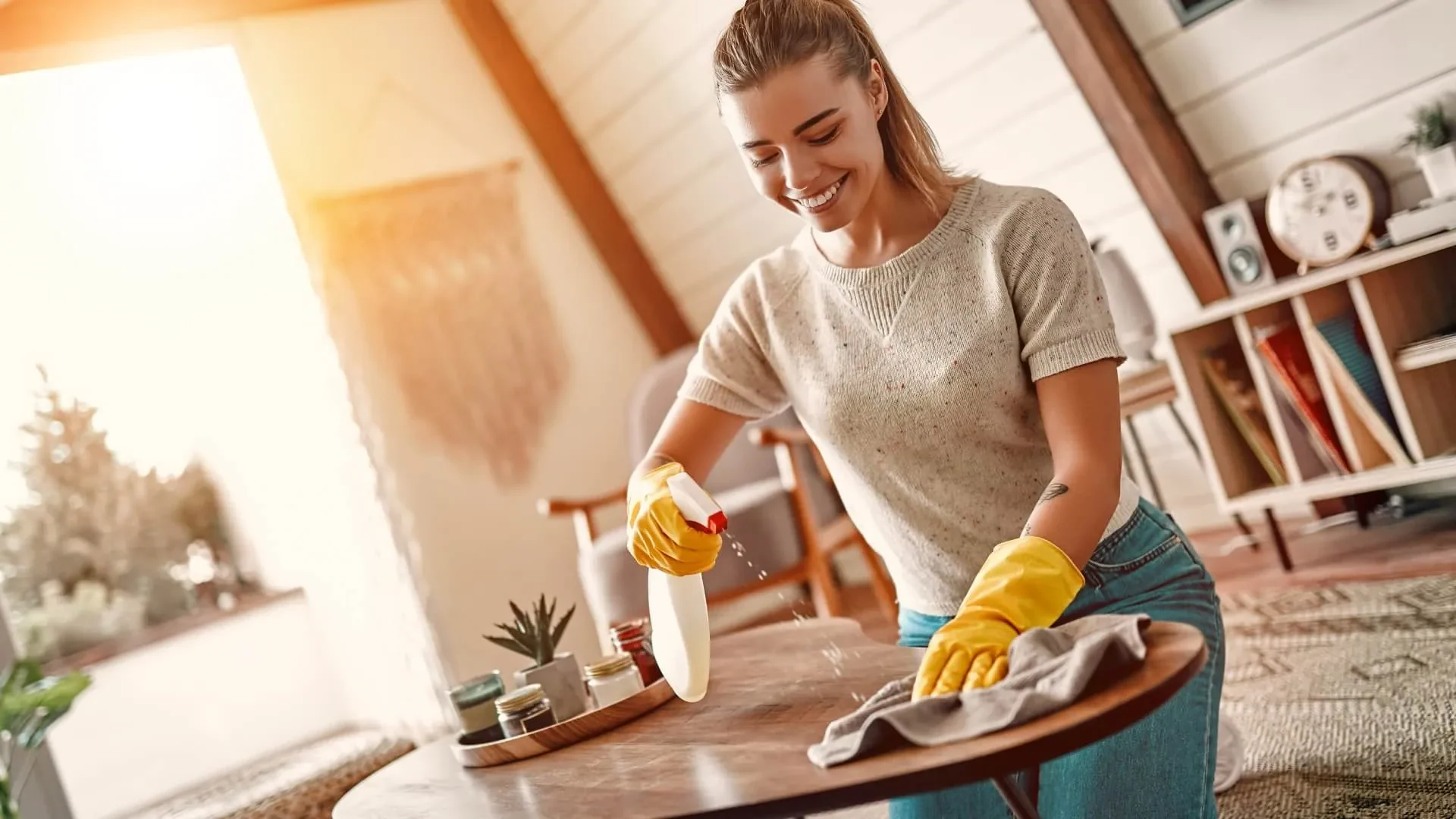
For everyday maintenance, eco-friendly products can perform very well when they are used correctly. The right microfiber cloth, dwell time, agitation, and clean water often make as much difference as the product itself. For example, a kitchen backsplash with routine splatters may only need a quality gentle degreaser and a thorough wipe-down. Letting grease sit for months is what turns a simple task into a heavy-duty job.
Standard cleaners may have an advantage when buildup is severe. Strong oven degreasers, specialty mineral-removal products, and disinfectants can save time on difficult work when used according to their labels. That does not make them a default for every room. It means the cleaning method should fit the condition of the home.
A cleaner is not automatically a disinfectant
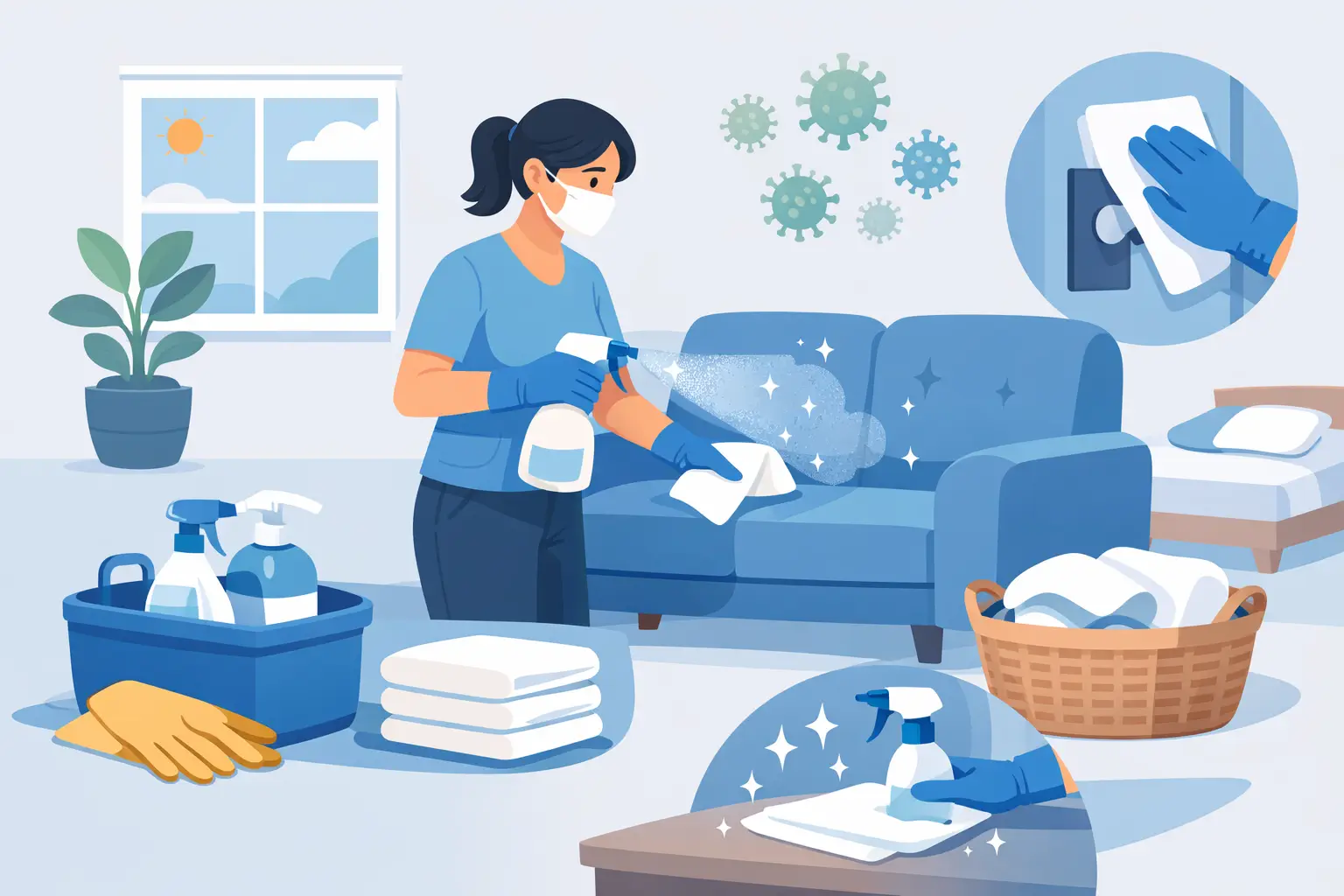
This distinction is especially useful for families and property managers. An all-purpose cleaner can remove soil and make a surface look polished, but it may not be registered or formulated to disinfect. If someone in the household is sick, if there has been a bathroom accident, or if sanitation is specifically required, a suitable disinfectant may be appropriate.
Even then, more product is not better. Disinfectants work only when applied to a pre-cleaned surface and left wet for the label-specified amount of time. Spraying and immediately wiping can leave a surface smelling clean without delivering the intended result.
What Is Best for Pets, Children, and Sensitive Households?
Households with crawling children, curious dogs, cats that jump on counters, or residents with fragrance sensitivities often prefer low-odor, pet-safe cleaning products for routine care. This can reduce unnecessary exposure to strong fumes and residues in the rooms used most often.
Still, pet-safe does not mean a product can be left open or used carelessly. Essential oils, concentrated products, and natural acids can create issues for certain pets or damage certain materials. Products should be stored securely, diluted as directed, and kept away from food bowls, toys, and litter areas until surfaces are dry.
Fragrance-free options can be helpful for people who are sensitive to perfumes, but fragrance-free is not a guarantee that a formula will not irritate someone. If allergies, asthma, skin sensitivities, or medical concerns are involved, it is wise to share that information before a cleaning appointment. A professional team can plan around your household needs rather than treating every home exactly the same.
Consider the Surface Before the Product
The most environmentally responsible choice is also one that does not damage your home. Replacing etched stone, dulled flooring, or discolored fixtures creates more waste and expense than using the right cleaner in the first place.
Natural stone such as marble, travertine, and some granite should generally avoid acidic products, including vinegar-based solutions. Acid can etch or dull the finish. Wood floors need controlled moisture and a cleaner made for their finish. Stainless steel benefits from a non-abrasive product and wiping in the direction of the grain. Glass shower doors may need targeted mineral removal, but abrasive scrubbing can permanently scratch them.
In humid South Florida bathrooms, soap scum and mineral deposits can develop quickly. A gentle routine cleaner used consistently may prevent the need for harsher restoration products later. For older buildup, a professional may recommend a stronger, surface-appropriate treatment rather than repeatedly applying a mild product that cannot break through the residue.
The Environmental Question Includes How You Clean
Choosing an eco-friendly formula is a positive step, but the full impact of cleaning also includes the amount of product, water, packaging, and disposable materials used. Overpouring cleaner does not improve results. It can leave residue that attracts more dust and requires extra rinsing.
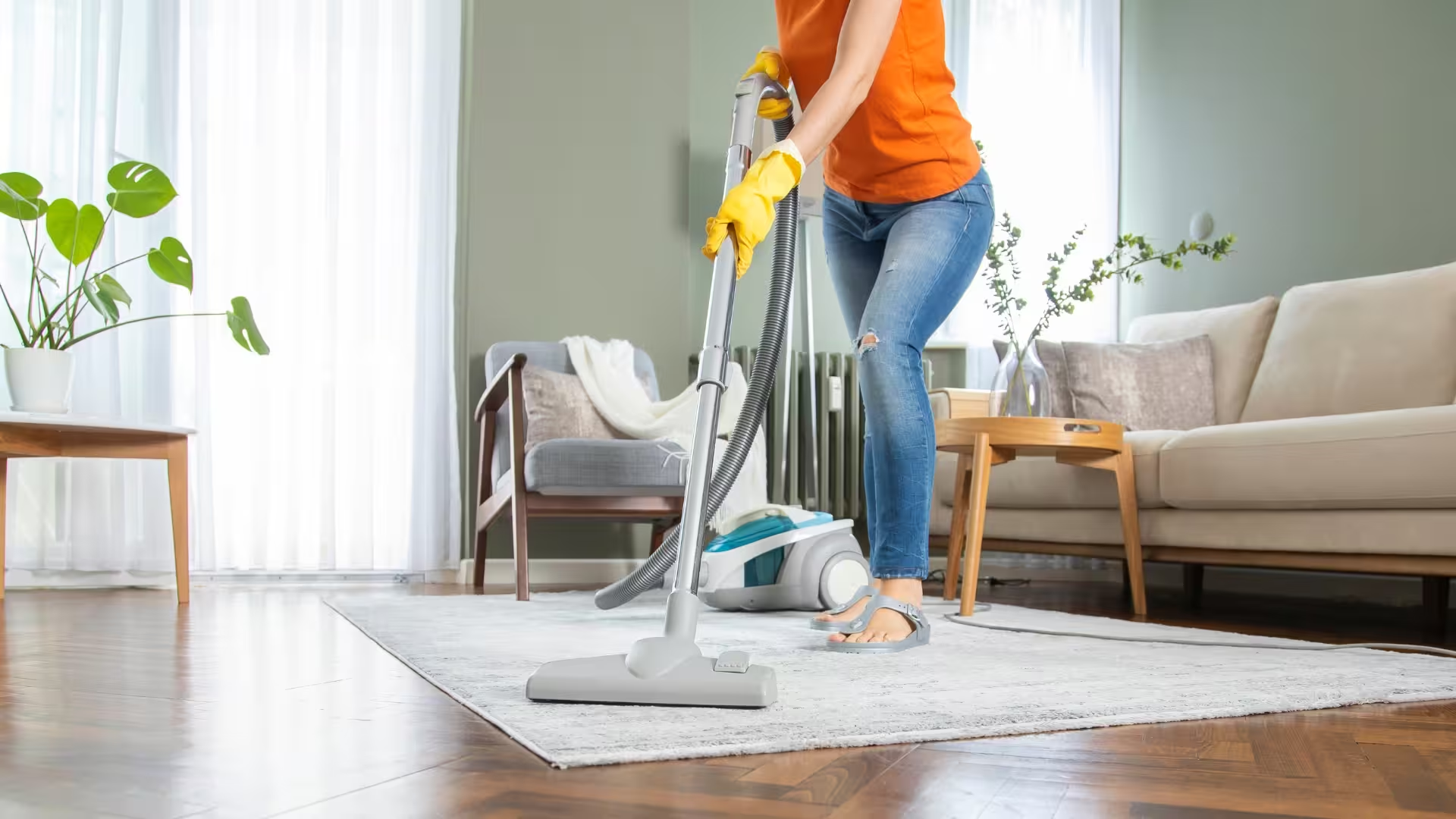
Reusable microfiber cloths are often a practical choice because they lift dust and soil effectively with less product than disposable wipes. Properly laundering and separating cloths by task helps prevent cross-contamination between bathrooms, kitchens, and general living areas. A clean mop head and fresh water also matter. Mopping with dirty water can spread grime rather than remove it.
Good habits support both a cleaner home and a lighter footprint: address spills promptly, avoid mixing products, follow dilution instructions, and choose refillable or concentrated options when they genuinely suit the task. Never mix bleach with ammonia, vinegar, acids, or other cleaners. The fumes can be dangerous.
When Standard Products May Be the Better Choice
There are situations where stronger conventional products are reasonable and responsible. A move-out clean may uncover heavy grease inside appliances. A post-construction service may involve adhesive residue, fine dust, or materials that require specialized solutions. Commercial settings may have sanitation requirements that call for particular disinfectants.
The key is controlled use. Use the least aggressive product that can safely complete the job, ventilate the area, follow label instructions, and protect surrounding surfaces. For homes with a mix of routine care and occasional deep-clean needs, the answer is often not all eco-friendly or all standard. It is a balanced cleaning plan.
That balanced approach is how professional cleaners protect both results and household comfort. At Go Cleaning Maids, eco-friendly and pet-safe product options can be matched to the service scope, whether your home needs recurring upkeep, a detailed deep clean, or attention after a move or renovation.
How to Choose for Your Home
Start with the reason you are cleaning. Routine dust, fingerprints, everyday kitchen messes, and sealed-surface maintenance are often ideal for gentler products. Heavy oven grease, thick shower buildup, and sanitation-specific needs may call for a targeted stronger solution.
Next, consider who uses the space. A home with pets, children, or scent-sensitive family members may prioritize lower-odor products and careful residue control. A vacation rental or office may need a plan that balances guest-ready presentation with efficient turnover standards. Finally, look at the surfaces and the history of buildup. Prevention is usually gentler, easier, and more affordable than restoration.
A home should feel clean without feeling like a chemistry lab. Whether you choose eco-friendly products for most appointments, standard products for select problem areas, or a combination of both, clear communication and the right method make the difference. When your cleaning plan fits your home, you can spend less time managing messes and more time enjoying the rooms that matter to you.