A kitchen counter after raw chicken, a bathroom faucet during a household cold, and a sticky doorknob after a busy weekend do not need the same response. This guide to eco friendly disinfecting helps you make that distinction, so your home feels genuinely clean without using more chemicals than the job requires.
For families, pet owners, renters, and busy households, the goal is simple: reduce germs where they matter, use products responsibly, and protect the people and surfaces you care about. Effective disinfecting is not about a harsh fragrance or a cabinet full of bottles. It is about using the right method, at the right time, with clear instructions.
Cleaning and disinfecting are not the same job
Cleaning removes visible soil, crumbs, grease, dust, and many germs from a surface. Usually, soap or detergent, water, and friction do most of that work. Disinfecting uses a product designed to kill or inactivate specific germs on a hard, nonporous surface.
That difference matters because disinfectant works poorly over grime. If a bathroom counter has toothpaste residue or a kitchen surface has food spills, clean it first. Then apply disinfectant if the situation calls for it. This two-step approach can also help you use less product overall.
For normal daily upkeep, regular cleaning is often enough. Save disinfecting for high-touch areas, illness in the household, food-prep contamination, bathroom sanitation, or spaces that have been heavily used by guests. During South Florida’s humid months, it is also wise to address moisture quickly, but remember that disinfectant is not a substitute for fixing leaks, improving ventilation, or removing mold safely.
What eco-friendly disinfecting really means
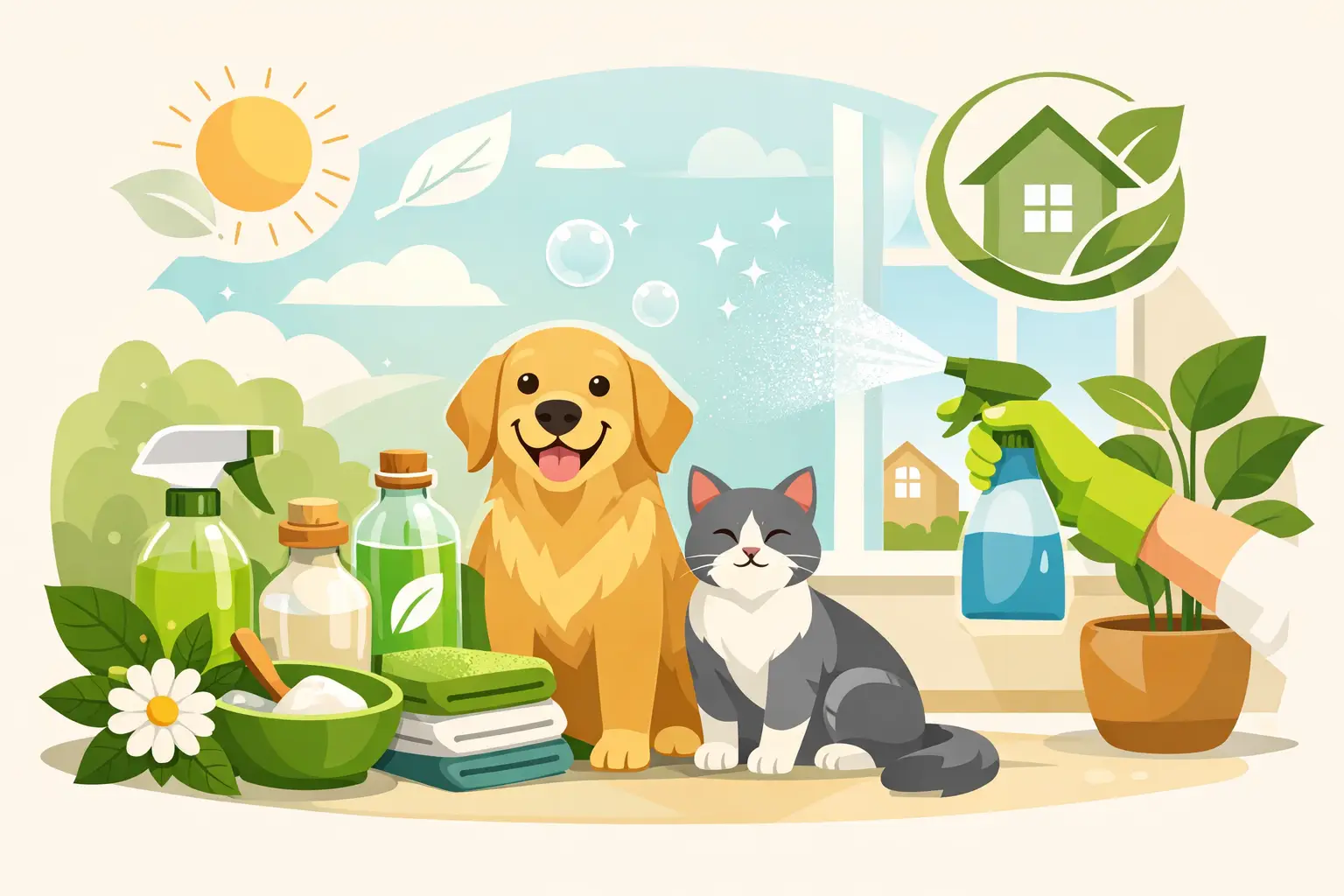
An eco-friendly choice is not automatically a weak choice, and a strong disinfectant is not automatically a bad one. The best option balances germ-killing performance with thoughtful ingredients, responsible packaging, proper use, and a lower chance of unnecessary exposure for children, pets, and sensitive household members.
Look beyond broad claims such as “natural” or “green.” A product should clearly state that it is a disinfectant and identify the germs it is intended to address. It should also provide directions for dilution, surface compatibility, ventilation, and contact time. In the United States, disinfectants intended to kill germs on surfaces are regulated, so a credible product will carry appropriate registration and label information.
Some lower-impact disinfecting products use ingredients such as hydrogen peroxide, citric acid, or certain plant-derived active ingredients. Their environmental profile, odor, and surface suitability can vary. What matters is whether the product is approved for the intended use and used exactly as directed.
Start with the surfaces that need attention
You do not need to disinfect every inch of your home each day. Focus on areas where hands, food, and moisture meet. In most homes, that includes kitchen counters after raw meat preparation, refrigerator handles, sink fixtures, toilet handles, bathroom faucets, light switches, remote controls, phones, and frequently touched door handles.
In a home where someone is sick, increase attention to the bathroom and regularly touched surfaces. If a child has been ill, clean and disinfect shared toys only when the manufacturer says the material can safely be treated. Soft toys, upholstery, unfinished wood, and many electronics require a different approach, often cleaning rather than saturating them with disinfectant.
For rental turnovers and shared workspaces, the priorities may shift toward entry hardware, appliance handles, restroom fixtures, desks, and common-area touchpoints. A clear checklist prevents overcleaning low-risk surfaces while overlooking the places people touch most.
How to disinfect effectively with less waste
The label is part of the cleaning process, not fine print. Before you begin, remove debris and clean the surface. Apply enough disinfectant to keep the surface visibly wet for the full contact time listed on the product label. Wiping it dry too soon can mean the product never has time to work.
Use reusable microfiber cloths for the cleaning step when appropriate. They lift soil efficiently and can be laundered for reuse. For disinfecting, follow the product directions on whether to spray directly, apply with a cloth, or use pre-moistened wipes. If you use a cloth, avoid moving germs from one room to another. Set aside separate cloths for kitchens and bathrooms, then wash them thoroughly after use.
A few habits make a noticeable difference:
- Measure concentrated products carefully instead of pouring extra “just in case.” More is not always more effective.
- Disinfect in a ventilated area, especially bathrooms and smaller rooms.
- Keep products in their original containers, away from children and pets.
- Rinse food-contact surfaces if the label requires it before preparing meals.
- Wash hands after handling cleaning products, even products marketed as gentle.
These steps reduce waste while supporting the result you actually want: a clean, safe surface.
Avoid DIY disinfecting shortcuts
Vinegar, baking soda, essential oils, and lemon can be useful for certain cleaning tasks. Vinegar can help with mineral buildup, baking soda can assist with gentle scrubbing, and a fresh scent may make a routine feel more pleasant. But none should be assumed to disinfect surfaces reliably for illness prevention or food-safety cleanup.
Another common mistake is mixing products. Never combine bleach with ammonia, vinegar, alcohol, acids, or other cleaners. Dangerous fumes can form quickly. Even combining two products that seem mild can create unpredictable results or weaken their effectiveness.
If a homemade cleaner is all you have for routine dust and soil, it can be a practical temporary solution. When you need disinfection, choose a product labeled for that purpose. It is the more responsible choice for your household and the environment because it avoids repeated applications of something that cannot do the job.
Protect your home’s finishes
Eco-friendly disinfecting also means avoiding damage that creates unnecessary replacement and repair. Natural stone, unsealed grout, hardwood, painted cabinets, brass, and some appliance finishes can react poorly to acidic or oxidizing products. Alcohol-based products may affect certain coated surfaces, while excessive moisture can damage wood or seep into electronics.
Test an unfamiliar product in a small, hidden area first. Use only the amount needed, and avoid soaking surfaces unless the manufacturer specifically allows it. For phones, tablets, and remotes, turn devices off when possible and apply product to a cloth rather than spraying directly into openings.
The same care applies to outdoor living areas. Patios and pool-adjacent spaces in Broward and Palm Beach County often collect sunscreen, food residue, and moisture. Start with a surface-appropriate cleaner, then disinfect only the high-touch items that need it, such as handles, railings, and outdoor table surfaces after a gathering.
Build a realistic routine
The most sustainable cleaning routine is one your household can maintain. A quick daily wipe of kitchen and bathroom touchpoints may be enough for many homes. Add a more focused disinfecting session after illness, entertaining, cooking projects, or guests staying overnight.
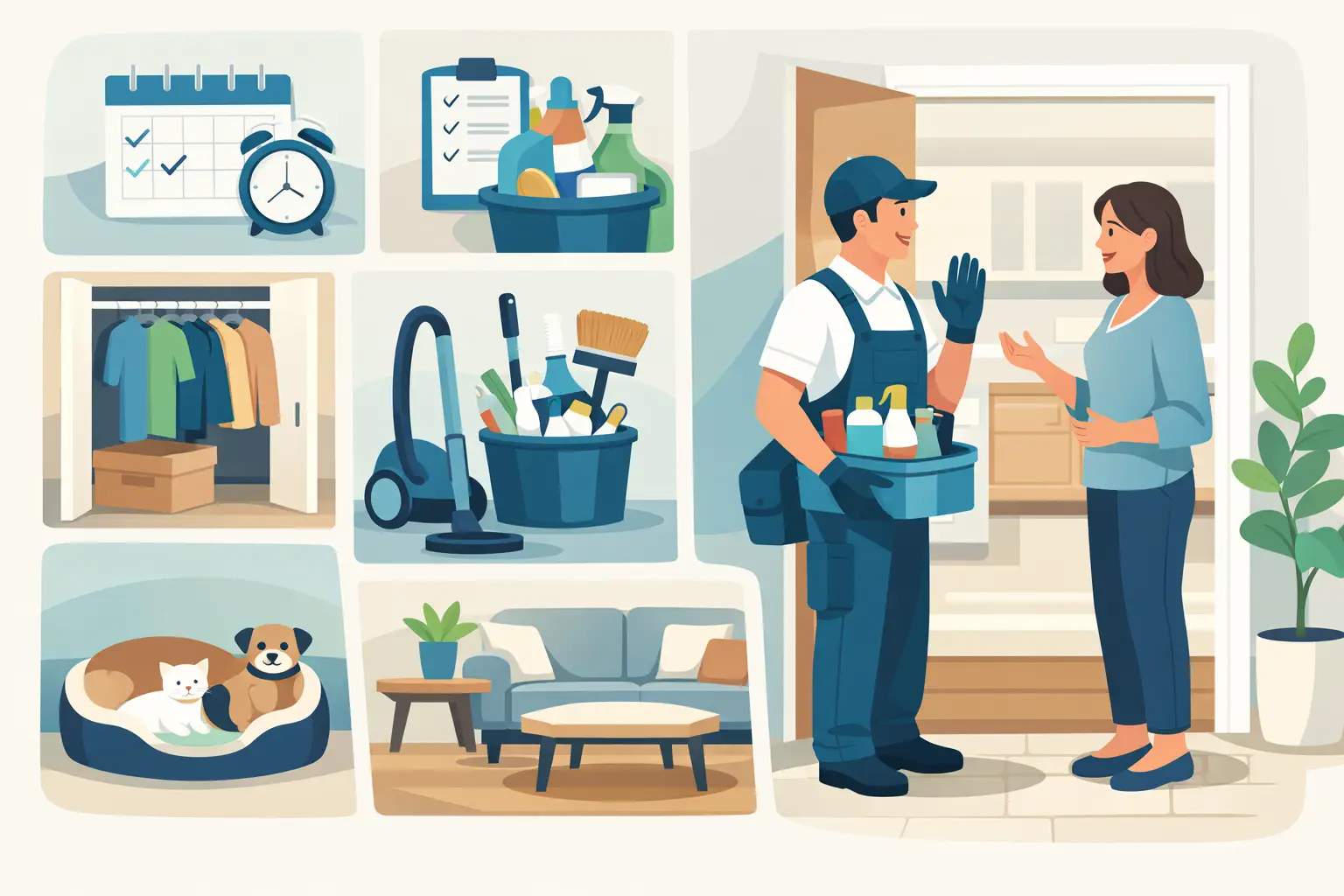
For households juggling work, children, pets, or frequent visitors, professional help can bring useful consistency. Go Cleaning Maids uses eco-friendly, pet-safe products and can tailor a recurring or deep-cleaning scope around the rooms and details that need the most attention. You still decide what matters most, from cabinet fronts and appliances to bathrooms, fixtures, and high-touch surfaces.
A clean home should never come at the cost of guesswork. Keep your approach simple: clean first, disinfect when there is a real need, follow the label, and choose products that respect both your household and your home. That is a practical kind of care you can feel every time you walk through the door.