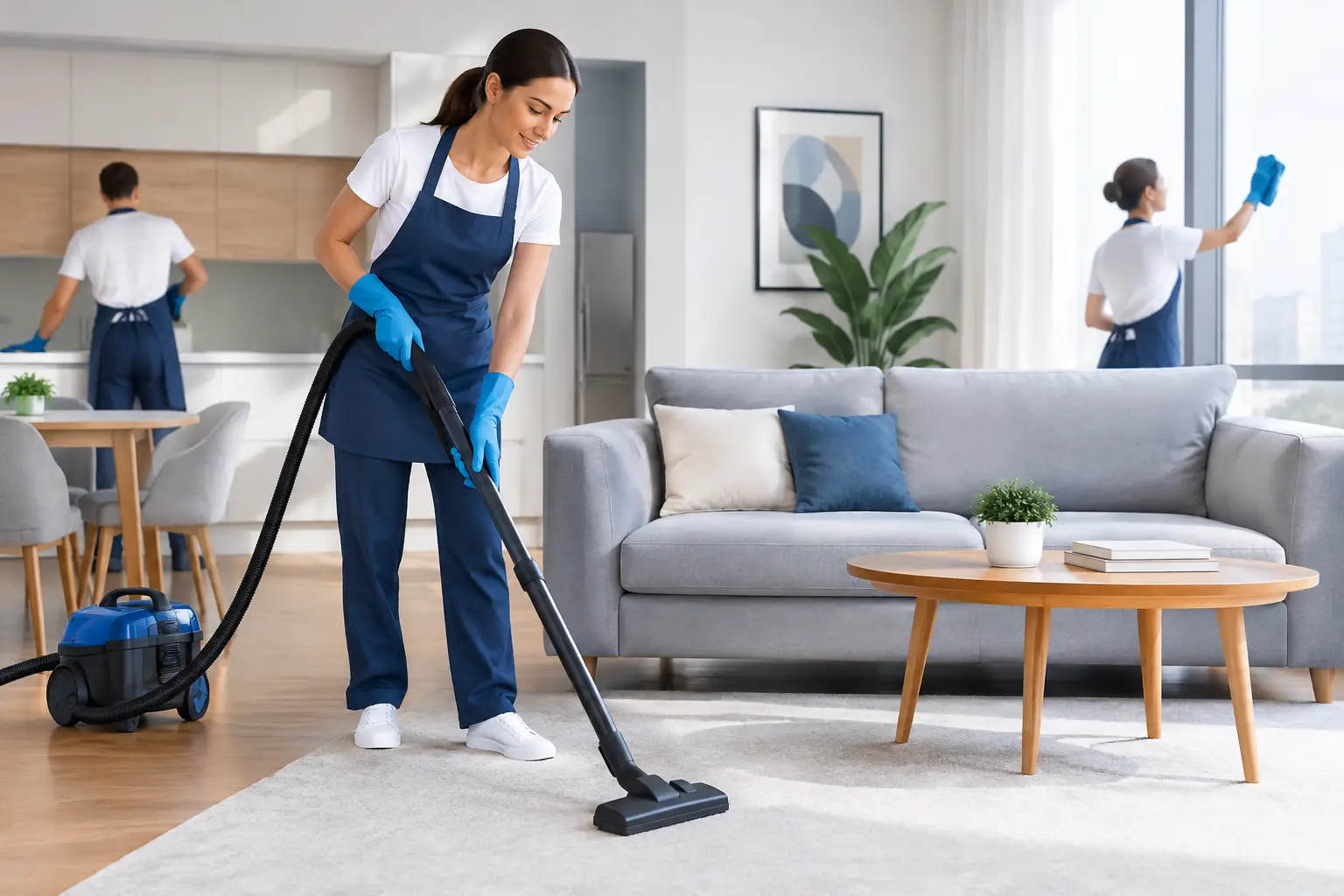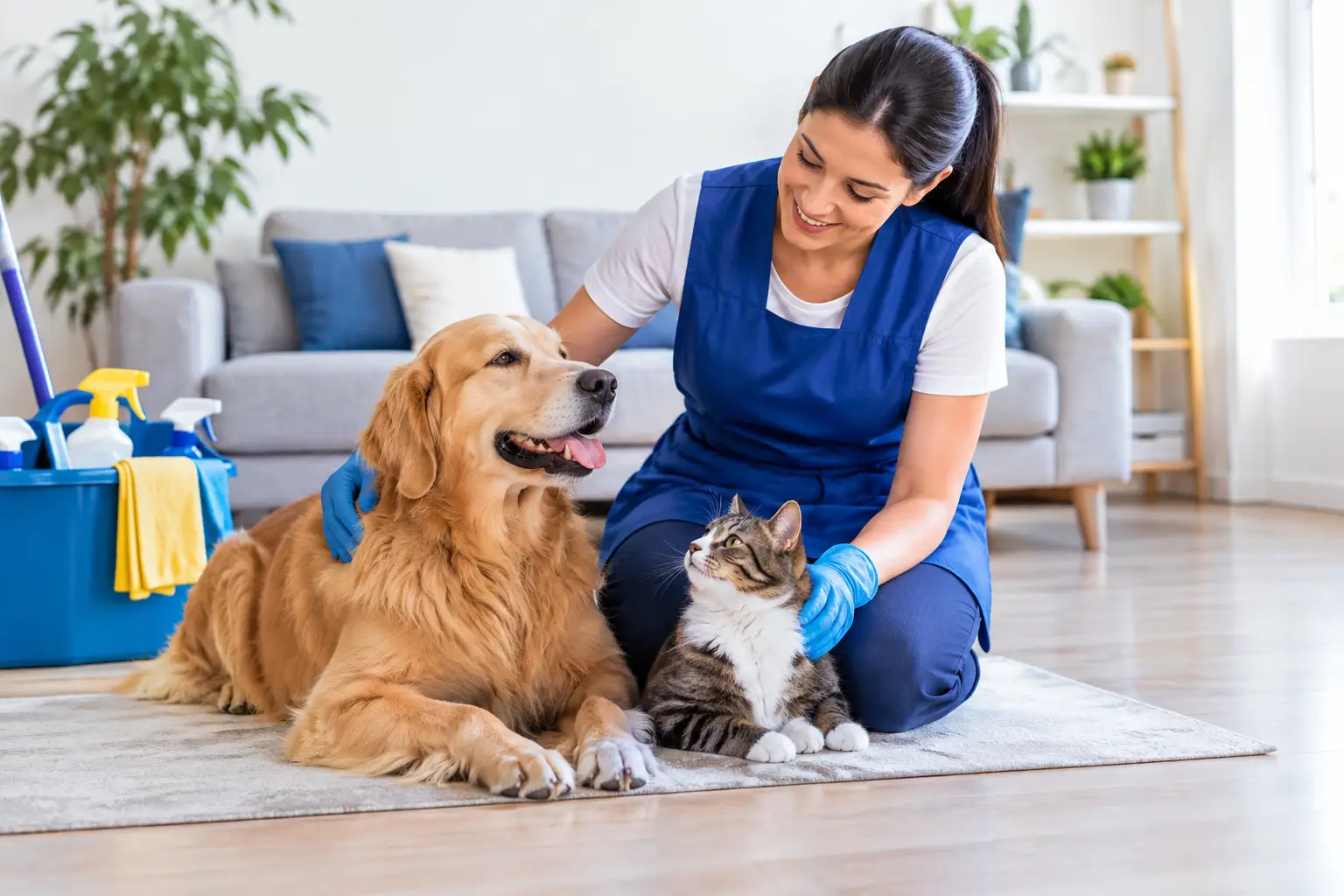
A dog barking at the door, a cat tucked behind the sofa, a curious puppy following every mop stroke – pets are part of the home, and a professional cleaning visit should account for that from the start. The best way cleaners handle pets is not by treating them as an obstacle, but by planning around their comfort, safety, routines, and the practical realities of cleaning a lived-in space.
For busy South Florida households, that planning protects more than floors and furniture. It helps prevent an anxious pet from slipping through an open door, reduces exposure to unsuitable products, and gives the cleaning team room to complete detailed work without creating unnecessary stress for anyone in the home.
How Cleaners Handle Pets Safely
A pet-aware cleaning service begins before the team arrives. When booking, let the company know what pets live in the home, whether they are comfortable with visitors, and if there are areas that should remain off-limits. A cleaning professional does not need a full pet biography, but details such as “our cat hides in the guest room” or “our dog gets protective around the front door” make a meaningful difference.
Responsible cleaners use that information to work more thoughtfully. They can plan the order of rooms, watch for food bowls and medication, and avoid disturbing a crate, aquarium, litter area, or favorite resting spot. They should also follow your instructions rather than assume that every animal is friendly, every gate is secure, or every indoor pet may safely go outside.
Product selection matters just as much. Pet-safe cleaning products are designed to support a clean home without introducing unnecessarily harsh residues or fumes. That does not mean any product is safe for direct contact with animals or that a pet should lick a freshly cleaned floor. Surfaces should be allowed to dry, and pets should be kept away from active cleaning areas until that is complete.
At Go Cleaning Maids, eco-friendly and pet-safe product options support households that want a carefully cleaned home without losing sight of the family members with paws, feathers, or fins. If your pet has allergies, respiratory sensitivity, a medical condition, or a history of reacting to scents, mention it before service so the scope can be tailored accordingly.
The Best Setup Before Your Cleaning Team Arrives
The most effective pet plan is usually simple: give your pet a secure, comfortable place to stay while cleaning is underway. For some animals, that may be a bedroom with the door closed, water available, and a familiar bed or toy. For others, a crate, enclosed patio, or a visit with a trusted family member may work better.
This is not a reflection on your pet’s behavior. Even calm animals can become unsettled by vacuums, unfamiliar voices, moving furniture, or a door opening repeatedly as supplies come in and out. A separate quiet space lets the crew clean efficiently and lets your pet avoid a disruption to its normal environment.
Before the appointment, pick up pet toys, food dishes, leashes, and loose bedding if you would like those areas cleaned. Cleaning teams can work around everyday household items, but clear access helps them reach floors, baseboards, and the corners where fur tends to gather. If there are special instructions for an automatic feeder, litter box, pet gate, or alarm system, leave them in writing or share them during check-in.
For dogs that react strongly to visitors, schedule a walk or playtime before the service window when possible. A pet that has had exercise and a chance to settle may be more relaxed. With cats, the better choice is often less interaction, not more. Let them choose a quiet hiding place rather than trying to introduce them to the cleaning team.
Keep doors, patios, and balconies in mind
Door safety deserves special attention in Florida homes, especially where a patio, pool area, balcony, or yard is part of the cleaning scope. A cleaner may need to move between indoor and outdoor spaces while carrying supplies. Confirm which doors should stay locked, where pets must not go, and whether a gate latches properly.
If your pet is staying home alone during the appointment, do not rely on a verbal reminder alone. Use a closed door, secure crate, or another physical barrier. Clear systems are safer than good intentions, particularly in a home with multiple entry points.
Cleaning Around Pet Hair, Odors, and Everyday Messes
Pets create cleaning needs that go beyond a quick vacuum. Hair collects along baseboards, under furniture, in upholstery, and near air returns. Paw prints show up on tile and glass doors. Litter, kibble, dander, and outdoor debris can travel farther than expected, especially in high-traffic areas.
A recurring cleaning plan can keep these details from building into a bigger job. Regular vacuuming and floor care are especially useful during shedding seasons or in homes with more than one pet. A deeper clean may be the better fit when pet hair has collected behind furniture, in overlooked corners, or on window tracks and blinds.
Odor requires a practical approach. Surface cleaning can freshen a room, but it cannot always solve an odor that has reached carpet padding, upholstery filling, subflooring, or an HVAC system. If an accident is recent, tell the cleaning team where it occurred and what has already been used on it. That helps avoid mixing products and sets realistic expectations about the result.
For old or repeated stains, specialized odor or carpet treatment may be necessary. Professional house cleaning can improve the overall condition of the room, but no reputable cleaner should promise that every long-standing pet odor will disappear in one visit. Clear communication is the difference between a helpful service plan and an unrealistic promise.
What Professional Cleaners Need From Pet Owners
A good cleaning visit is a partnership. Your cleaning team is responsible for following the agreed scope, using products appropriately, respecting your home, and asking questions when something is unclear. Pet owners can help by preparing a safe setup and sharing the information that cannot be seen at the door.
Let the team know if your pet may bite, scratch, dart through doors, guard possessions, or become fearful around equipment. Mention any rooms that contain reptiles, birds, fish, or small animals. These pets can be more sensitive to aerosols, noise, temperature changes, and even a shifted enclosure, so cleaners should not move or open habitats without explicit direction.
It also helps to identify items that should never be touched. Medication, specialty food, training treats, toys with small pieces, and veterinary supplies may look like ordinary household items but should stay where they are. If there is a spill or accident in a restricted area, tell the team how you would like it handled.
You do not need to apologize for pet hair or normal household mess. A cleaning service exists because homes are lived in. The goal is simply to make the scope clear. If the home needs extra attention due to heavy shedding, a recent move, a party, construction dust, or several pets, choosing a deep or deluxe-level service may allow enough time for the detail work that routine maintenance does not always cover.
When Pets Can Stay in the Room
Some pets are genuinely relaxed around cleaners. A friendly older dog may nap in a corner while the team works in another area. A cat may observe from a high perch and never appear bothered. In these cases, pets can sometimes remain nearby if the owner has confirmed they are calm and the cleaners have a clear path to work.
Even then, boundaries help. Keep pets away from open cleaning caddies, cords, vacuum hoses, damp floors, and moved furniture. Never expect a cleaning professional to supervise an animal while also cleaning. They can be kind and attentive, but the owner remains responsible for pet care and containment during the visit.
The right choice depends on your pet’s temperament and the service being performed. A light recurring clean may create minimal disruption. A move-out, post-construction, or detailed deep clean can involve more equipment, longer appointments, and more room-to-room movement. For those visits, a separate safe space is usually the better option.
A home should feel fresh when the cleaning is done, but your pet should feel secure too. A few clear instructions, the right product choices, and a safe place to rest can turn cleaning day into a calm routine – leaving you with the comfort of a cared-for home and a happy companion waiting inside.