A rental can look clean at move-in and still become expensive to maintain six months later. To maintain Coral Springs rentals well, owners and property managers need more than a quick reset between tenants. South Florida humidity, frequent rain, tracked-in sand, busy family schedules, and high guest expectations can all leave their mark on a property.
The goal is simple: protect the home, make residents feel cared for, and avoid the kind of buildup that turns a routine cleaning into a major repair or a delayed turnover. A consistent plan gives you better control over costs while helping every resident walk into a home that feels fresh, comfortable, and ready to enjoy.
Start With a Maintenance Schedule That Fits the Rental
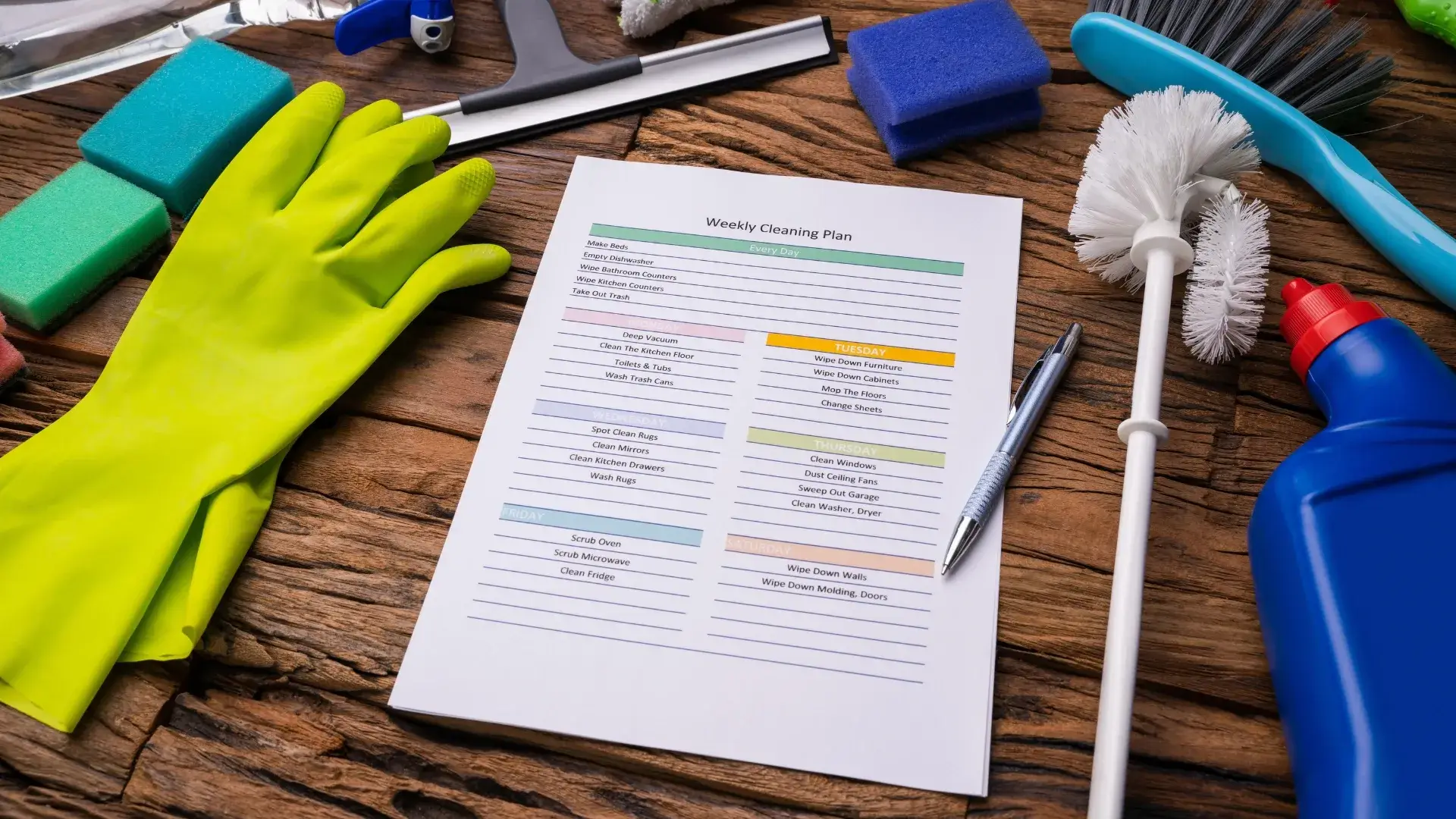
There is no single cleaning frequency that works for every property. A long-term rental occupied by one professional may need a different level of support than a family home with pets, or a furnished short-term rental with weekly guest turnover. The best plan reflects how the property is used, not just its square footage.
For occupied long-term rentals, regular professional cleaning can be a practical optional benefit for tenants or an owner-provided service for premium properties. Monthly service often keeps kitchens, bathrooms, floors, and high-touch surfaces under control. Biweekly service may be a better fit for larger homes, pet-friendly rentals, or households with children.
For vacant homes and short-term rentals, cleaning should be tied directly to the turnover schedule. Each departure is an opportunity to inspect the property, refresh key areas, and catch problems before the next resident or guest arrives. Skipping a detailed turnover to save time can cost more if it leads to poor reviews, complaints, pest concerns, or damage that goes unnoticed.
Focus on the Areas That Affect Property Condition
A good rental cleaning plan should do more than make countertops shine. It should target the areas where grime, moisture, and everyday use cause the most wear.
Kitchens Need Consistent Degreasing
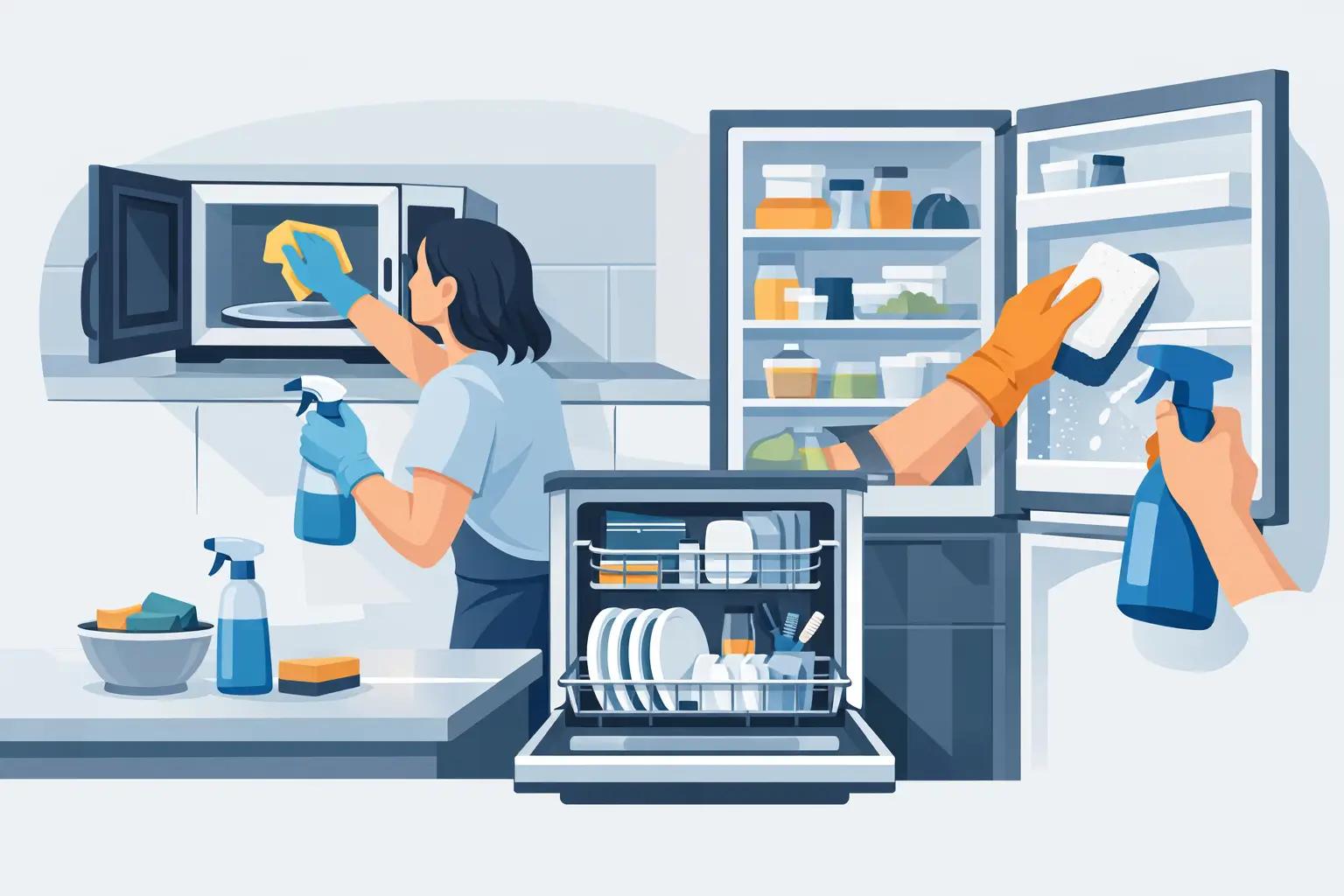
Kitchen buildup is one of the fastest ways for a rental to feel neglected. Grease can settle on cabinet fronts, backsplashes, range hoods, and appliances even when tenants wipe down the counters. During a detailed cleaning, pay close attention to the stovetop, microwave interior, refrigerator shelves, sink, faucet, cabinet exteriors, and the floor around the cooking area.
For a move-out or turnover, consider deeper appliance and cabinet cleaning. These details matter to incoming tenants and can prevent odors from lingering in a closed property. They also make inspections more straightforward because the home begins from a known, clean baseline.
Bathrooms Require a Humidity Plan
Coral Springs rentals face the same South Florida moisture challenges as the rest of Broward County. Without regular attention, soap residue, hard-water marks, and mildew can build up around showers, tubs, grout, fixtures, and exhaust vents.
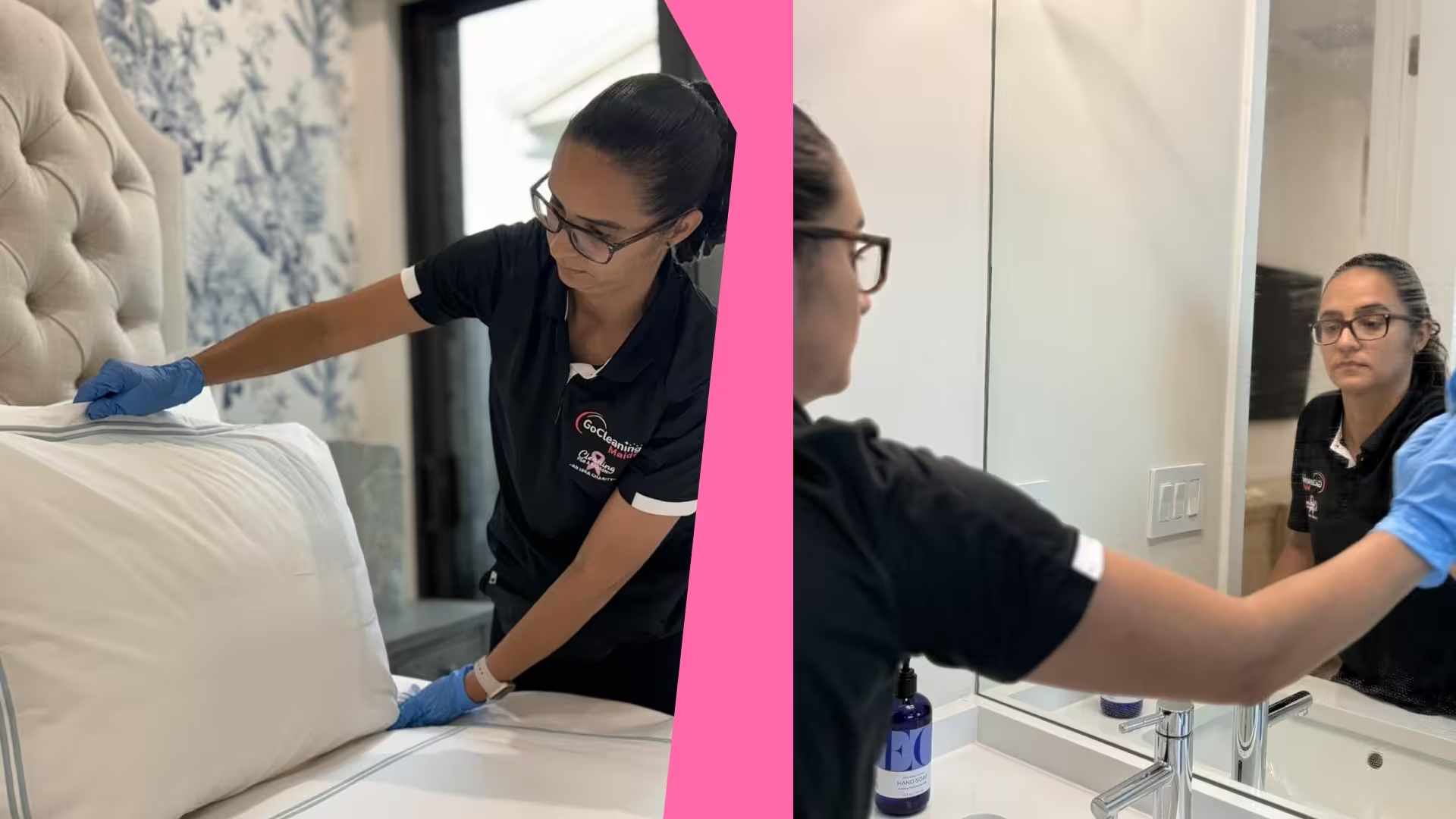
Routine bathroom cleaning should include sanitizing toilets, sinks, tubs, and showers while removing residue from glass doors and fixtures. Between deep cleanings, encourage residents to run the exhaust fan during showers, report leaks quickly, and avoid leaving damp towels or bath mats piled on the floor. A small leak under a vanity or around a toilet can become a much larger issue when humidity is already high.
Floors, Entryways, and Patios Take More Abuse Than Expected
Sand, wet shoes, lawn debris, and pet hair travel inside quickly. Regular vacuuming and mopping help preserve flooring and reduce the gritty wear that can dull hard surfaces over time. Entryways deserve special attention because they set the tone for the home and collect the most outdoor debris.
If the property has a patio, balcony, or screened area, include it in the maintenance plan. Leaves, pollen, cobwebs, and outdoor dust make these spaces look forgotten, even when the interior is tidy. The right frequency depends on tree coverage, weather, and whether the space is actively used.
Make Turnovers Detailed, Not Rushed
A turnover clean is not the same as a standard recurring visit. It is a property-protection service that prepares the home for a new chapter. The scope should be clear before the work begins so there are no surprises for owners, managers, or incoming residents.
Start with a walkthrough after keys are returned. Look for wall scuffs, damaged blinds, missing smoke detector batteries, appliance concerns, slow drains, lingering odors, and signs of water intrusion. Cleaning professionals can help restore the space, but maintenance repairs should be scheduled promptly rather than covered up by a surface refresh.
Then prioritize the areas new residents notice first: bathrooms, kitchen appliances, cabinets, baseboards, floors, light fixtures, interior windows, and closets. A thorough move-in/move-out cleaning can also include details such as wiping door frames, removing dust from vents, cleaning inside drawers, and refreshing patio areas. These are the details that communicate care before a tenant unpacks a single box.
For furnished rentals and Airbnb properties, turnover checklists should also confirm that linens, towels, trash bins, remote controls, and commonly touched surfaces are clean and ready. Short-term guests judge a property quickly, and a missed hair in the bathroom or crumbs in a drawer can overshadow an otherwise beautiful stay.
Set Clear Expectations With Tenants and Vendors
A well-maintained rental is a shared responsibility. Lease language should clearly explain expectations for routine housekeeping, trash removal, pet care, reporting leaks, air-conditioning filter changes when applicable, and move-out condition. The goal is not to make tenants feel monitored. It is to give everyone a fair, consistent standard.
Communication matters most when an issue is small. Encourage residents to report water spots, unusual odors, dripping faucets, and appliance changes early. Prompt reporting protects the tenant’s comfort and helps the owner avoid preventable damage.
It also helps to work with insured, dependable service providers who understand rental timelines. A cleaner who arrives when scheduled, follows a defined scope, and communicates about noticeable property concerns can make turnover coordination far less stressful. Go Cleaning Maids provides tailored recurring, move-in/move-out, deep cleaning, and Airbnb turnover options for rental properties that need reliable, detailed care.
Choose the Right Level of Cleaning for Each Situation
Not every visit needs the same scope. Regular cleaning is ideal for keeping an occupied home presentable and manageable. Deep cleaning is better for seasonal resets, neglected buildup, or preparing for inspections. Move-in/move-out cleaning is designed for an empty or nearly empty property, where cleaners can reach cabinets, appliances, baseboards, and other areas hidden during daily living.
Post-construction cleaning is its own category. After repairs or renovations, fine dust can settle on walls, floors, vents, fixtures, and inside cabinets. A standard cleaning may not be enough to prepare the space safely and professionally for a tenant. In that case, schedule a service specifically designed to remove renovation dust and construction residue.
The trade-off is cost versus timing. A lighter service may be appropriate for a short vacancy in excellent condition, while a deluxe or deep clean can protect your reputation when the property needs extra attention. Being realistic about condition at the start is usually more cost-effective than trying to correct complaints after move-in.
Keep Records That Make Future Decisions Easier
Cleaning records are useful for more than bookkeeping. Document the date, scope, condition notes, and any maintenance concerns identified during each turnover or deep clean. Photos taken before a new tenant moves in can provide a helpful reference later, especially for appliances, floors, walls, and outdoor spaces.
Over time, those notes reveal patterns. If the same shower grout needs repeated restoration, it may be time to improve ventilation or reseal the surface. If an appliance develops odors between every tenant, a more detailed clean or repair may be needed. A property that is maintained consistently gives you clearer information and fewer costly surprises.
A clean rental is not just a line item between leases. It is part of the resident experience, the property’s long-term condition, and the confidence an owner has when handing over the keys. Build a plan that matches the home, respond early when problems appear, and give every new resident a space that feels genuinely cared for.