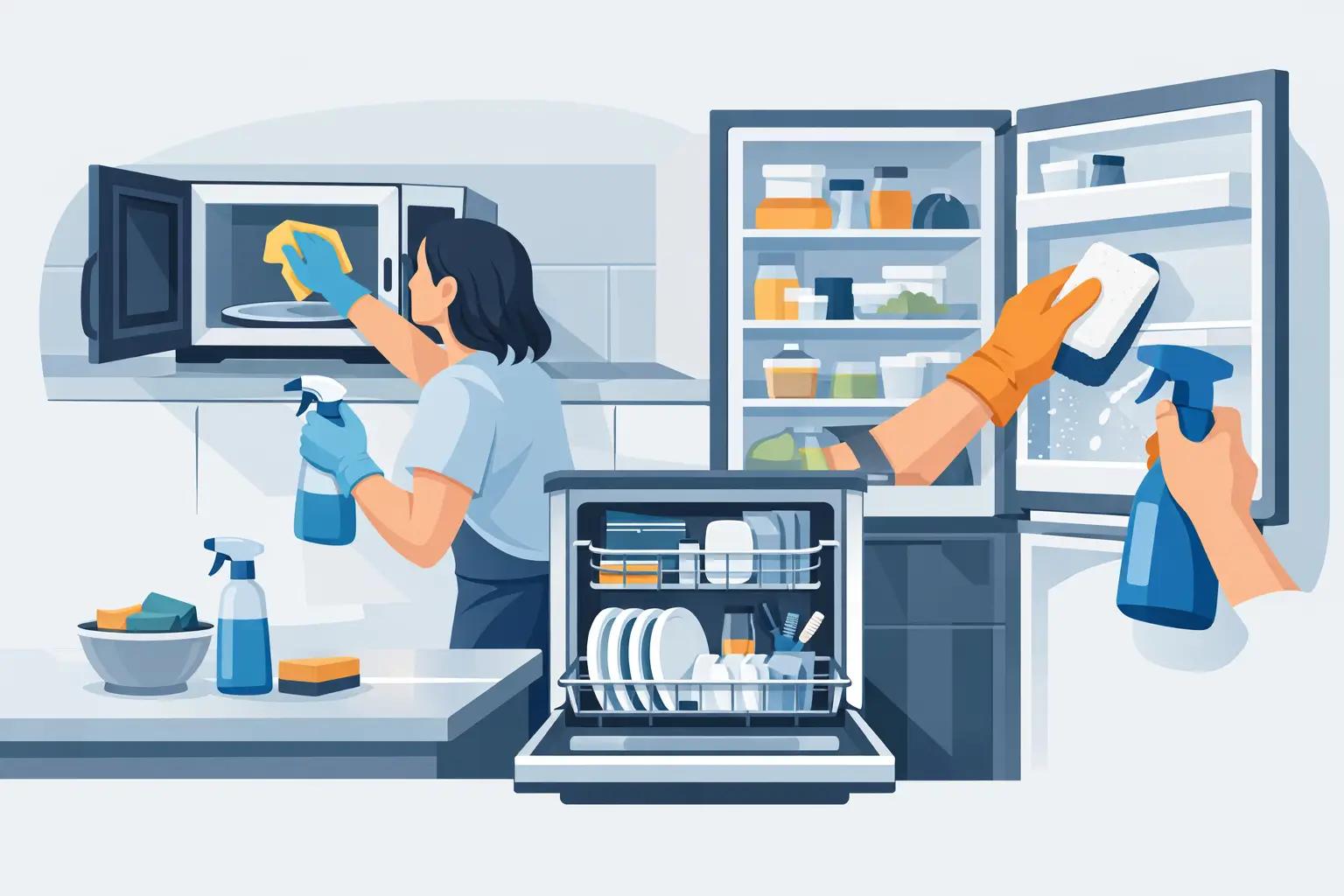
A kitchen can look spotless at a glance while grease, crumbs, and moisture collect where you cannot easily see them. Cleaning inside kitchen appliances is what turns a surface-level reset into a genuinely fresh kitchen – especially after busy family weeks, holidays, entertaining, or a move.
The goal is not to scrub every machine with the same product. Ovens, refrigerators, microwaves, dishwashers, and small appliances each have materials and working parts that need a different approach. A careful clean protects the appliance, improves day-to-day freshness, and helps prevent odors from taking over the room.
Why inside-appliance cleaning matters
Kitchen appliances work hard in South Florida homes. Humidity can make lingering moisture and food residue more noticeable, while frequent cooking leaves grease in places that are easy to overlook. Inside a microwave, splatters harden onto the ceiling and vents. In a refrigerator, small spills settle beneath drawers. In an oven, baked-on grease can smoke the next time it heats up.
There is also a comfort factor. Opening a clean refrigerator, reheating food in a fresh microwave, or running a dishwasher without a stale smell makes the kitchen feel cared for. For renters preparing for an inspection, homeowners getting ready to host, or families simply trying to regain control after a full season, these details matter.
Still, deeper cleaning is not always about making an appliance look brand-new. Some discoloration, worn racks, and older stains may be permanent. The practical standard is a clean, sanitary-looking interior with loose debris, grease, and odor-causing residue properly addressed.
Cleaning inside kitchen appliances: start safely
Before using any cleaner, unplug countertop appliances and let hot surfaces cool completely. For refrigerators and dishwashers, check the owner’s manual before removing shelves, filters, or seals. If you are cleaning an oven, do not spray cleaner directly on heating elements, igniters, sensors, or fan openings.
Use a soft microfiber cloth, nonabrasive sponge, warm water, and a mild dish soap for most interior surfaces. A baking soda paste can help with stubborn food residue on enamel or glass, but test any method in a small area first. Strong chemicals, steel wool, and rough scouring pads can scratch finishes, damage protective coatings, or leave fumes where food is prepared.
Do not mix cleaning products. Bleach combined with ammonia, acids, or other cleaners can create dangerous fumes. When an appliance has visible mold, a persistent electrical smell, a leak, or a mechanical problem, cleaning should wait until the source is assessed by the appropriate technician.
Refrigerator and freezer
Start by moving food into a cooler or grouping it on the counter for a brief period. Remove shelves and drawers only if they are designed to come out easily. Let cold glass shelves warm closer to room temperature before washing them, since sudden temperature changes can cause cracking.
Wipe the interior walls, shelf supports, drawers, and door bins with mild soapy water. Pay close attention to the drawer tracks and the folds of the door gasket, where crumbs and sticky residue tend to hide. Dry every part thoroughly before returning food. A small open box of baking soda can help manage routine odors, but it will not solve an odor caused by a spill hiding under a drawer or behind a removable panel.
For the freezer, avoid sharp tools when removing ice. Scraping can puncture interior surfaces and lead to an expensive repair. If frost buildup is significant, follow the manufacturer’s defrost instructions instead.
Microwave
Microwaves are usually the quickest win. Place a microwave-safe bowl of water inside and heat it until steam loosens dried splatter, then allow it to sit briefly with the door closed. Carefully remove the bowl and wipe the ceiling, walls, floor, door, and turntable with a soft cloth.
Take out the glass turntable and roller ring when possible, washing both with warm soapy water. Clean the door edges and latch area gently, but avoid soaking ventilation openings or forcing moisture into controls. If burnt food odors remain after cleaning, inspect for hidden residue around the turntable support and interior corners.
Oven and stovetop components
Ovens call for patience. Remove loose crumbs first, then clean racks separately if the manufacturer permits it. A mild degreaser or baking soda paste may work well for moderate residue, while heavy carbon buildup often needs more time and a product specifically approved for your oven’s interior.
The self-cleaning cycle is not automatically the best answer. It uses extremely high heat and can produce smoke, odor, and stress on an older appliance. It depends on the oven’s condition, the amount of buildup, and the manufacturer’s guidance. If you use it, ventilate the kitchen, keep children and pets away, and never leave the home while the cycle is running.
For removable stovetop grates, burner caps, and drip pans, allow all pieces to cool before cleaning. Keep water away from gas burner openings and electric connections. The surface may look clean while food residue remains in seams, so wipe carefully around controls without saturating them.
Dishwasher
A dishwasher cleans dishes, but it also collects food particles, grease, and mineral residue. Pull out the lower rack and check the filter or drain area according to the manual. Remove and rinse a washable filter gently. Never force it, as filter designs vary by model.
Wipe the rubber door seal, interior door, and detergent dispenser. Then run an empty cleaning cycle using a dishwasher cleaner recommended for the machine or the method specified by its manufacturer. If dishes are still coming out gritty or the appliance smells musty, the issue may involve a clogged drain, spray arm, or plumbing concern rather than routine cleaning.
Do not overlook small appliances
Coffee makers, air fryers, toaster ovens, blenders, and garbage disposals need regular attention too, but each comes with limits. Crumb trays and removable baskets should be emptied often. Coffee makers need descaling based on water hardness and manufacturer directions. Blender bases should only be wiped externally, never submerged.
For a garbage disposal, use cold water while it runs and follow its care instructions. Avoid pouring harsh drain chemicals into it unless a qualified plumber advises otherwise. Citrus may leave a pleasant scent, but it is not a replacement for removing trapped food or addressing a slow drain.
When a professional deep clean makes sense
Routine maintenance can keep appliance interiors in good shape, but there are times when a more detailed service saves valuable time. Consider professional help before move-in or move-out day, after renovation dust has settled, before hosting guests, or when the kitchen has fallen behind during a demanding season.
Be clear about the scope you need. Interior appliance cleaning is often an add-on or part of a deeper package rather than a standard recurring visit, and details matter. Ask whether the service includes the inside of the refrigerator, microwave, oven, cabinets, and dishwasher, along with removable components where appropriate. A trustworthy cleaning company will explain what is included and what requires appliance repair or specialized service.
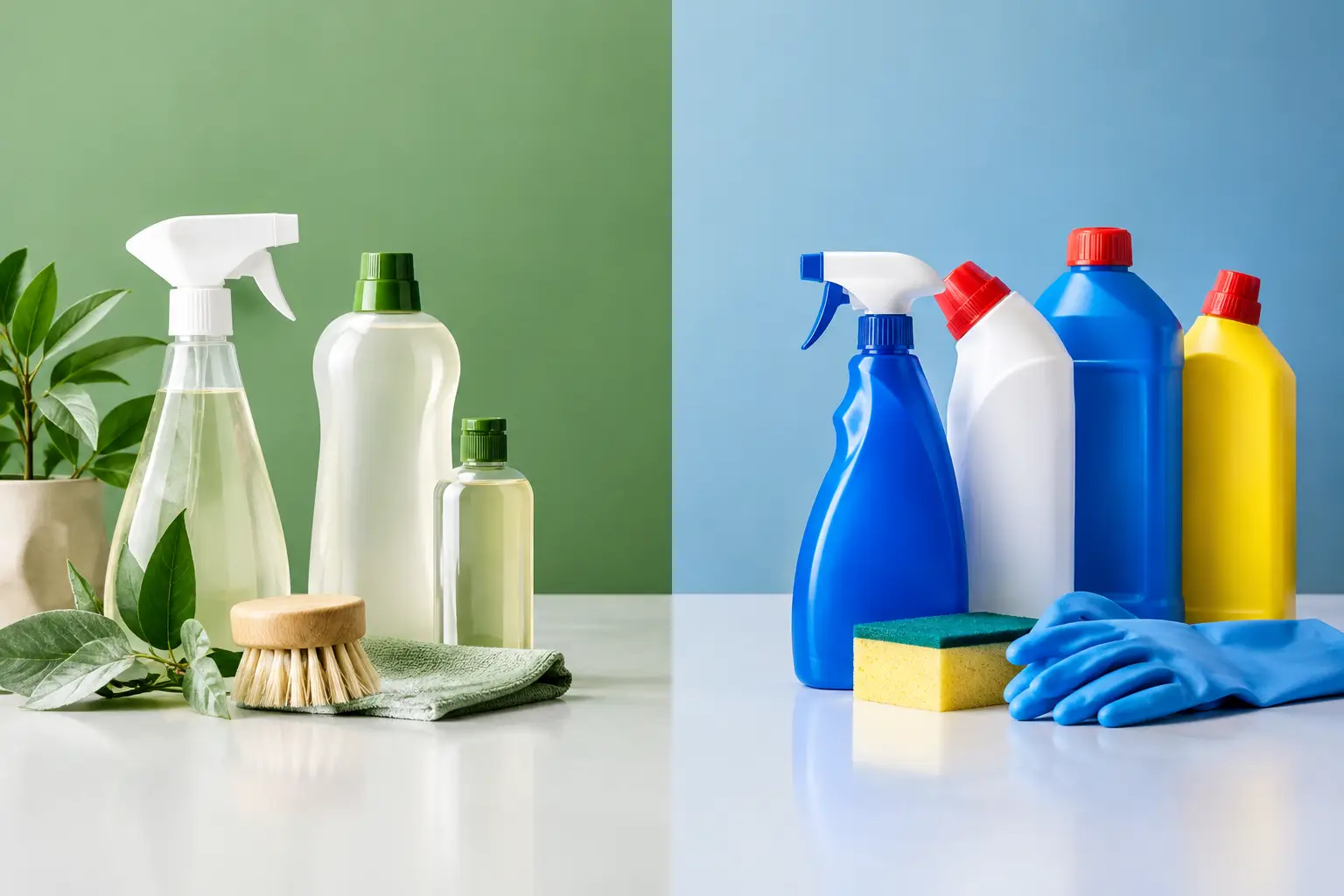
For households in Deerfield Beach and nearby Broward and Palm Beach County communities, Go Cleaning Maids provides tailored deep-cleaning options with careful attention to the kitchen details that make a home feel refreshed. Eco-friendly, pet-safe products and a clear service scope can offer welcome peace of mind when professionals are working in the rooms your family uses most.
A clean appliance interior is not a once-a-year perfection project. Wipe spills while they are fresh, empty crumbs before they burn, and schedule a deeper reset when life gets busy. Those small habits make the next meal, the next gathering, and the next return home feel noticeably better.