A clean home should not come with the worry that your dog will lick residue from the kitchen tile or your cat will walk through a freshly mopped bathroom. For families who share their homes with pets, eco friendly pet safe cleaning is about more than choosing a product with a green-looking label. It is about creating a reliably clean space while being thoughtful about what touches paws, fur, food bowls, floors, and the air your family breathes.
South Florida homes have their own cleaning challenges. Sand, humidity, muddy paws after afternoon rain, shedding, and frequent open doors can make routine cleaning feel constant. The right approach removes the mess without filling your home with unnecessarily harsh fragrances or chemical residue.
What Pet-Safe Cleaning Really Means
Pet-safe does not mean a cleaner is weak, nor does eco-friendly mean every natural ingredient is safe for every animal. A professional cleaning plan should balance effective soil removal, appropriate disinfection when needed, and careful product selection.
The goal is to use products as directed, at the right concentration, on the right surface, followed by proper drying and ventilation. This matters because pets spend far more time close to floors and upholstered furniture than people do. They also groom themselves, which means anything left on a paw can eventually be ingested.
A pet-conscious cleaning routine focuses on low-residue products, practical cleaning methods, and close attention to the areas your pets use most. That usually includes entryways, tile and grout, pet beds, sofa cushions, litter box areas, feeding stations, and the spots beneath dining tables where dropped food tends to collect.
Eco Friendly Pet Safe Cleaning Starts With the Right Process
Products matter, but process matters just as much. Using too much cleaner, skipping a rinse where one is needed, or spraying product directly around a pet can turn even a thoughtfully selected formula into a problem.
Clean First, Then Disinfect When the Situation Calls for It
Daily messes such as paw prints, loose fur, dust, and light spills usually do not require a heavy-duty disinfectant. Vacuuming, microfiber dusting, and a properly diluted floor cleaner can handle routine maintenance while reducing residue.
Disinfection has a place after illness, raw-food spills, accidents, or high-touch concerns in a busy household. But it should be targeted rather than automatic. A disinfectant must remain wet for the label-specified contact time to work, and pets should stay away until the surface is fully dry. Overusing strong products can create unnecessary odors and leave behind a film that attracts more dirt.
Prioritize Mechanical Cleaning
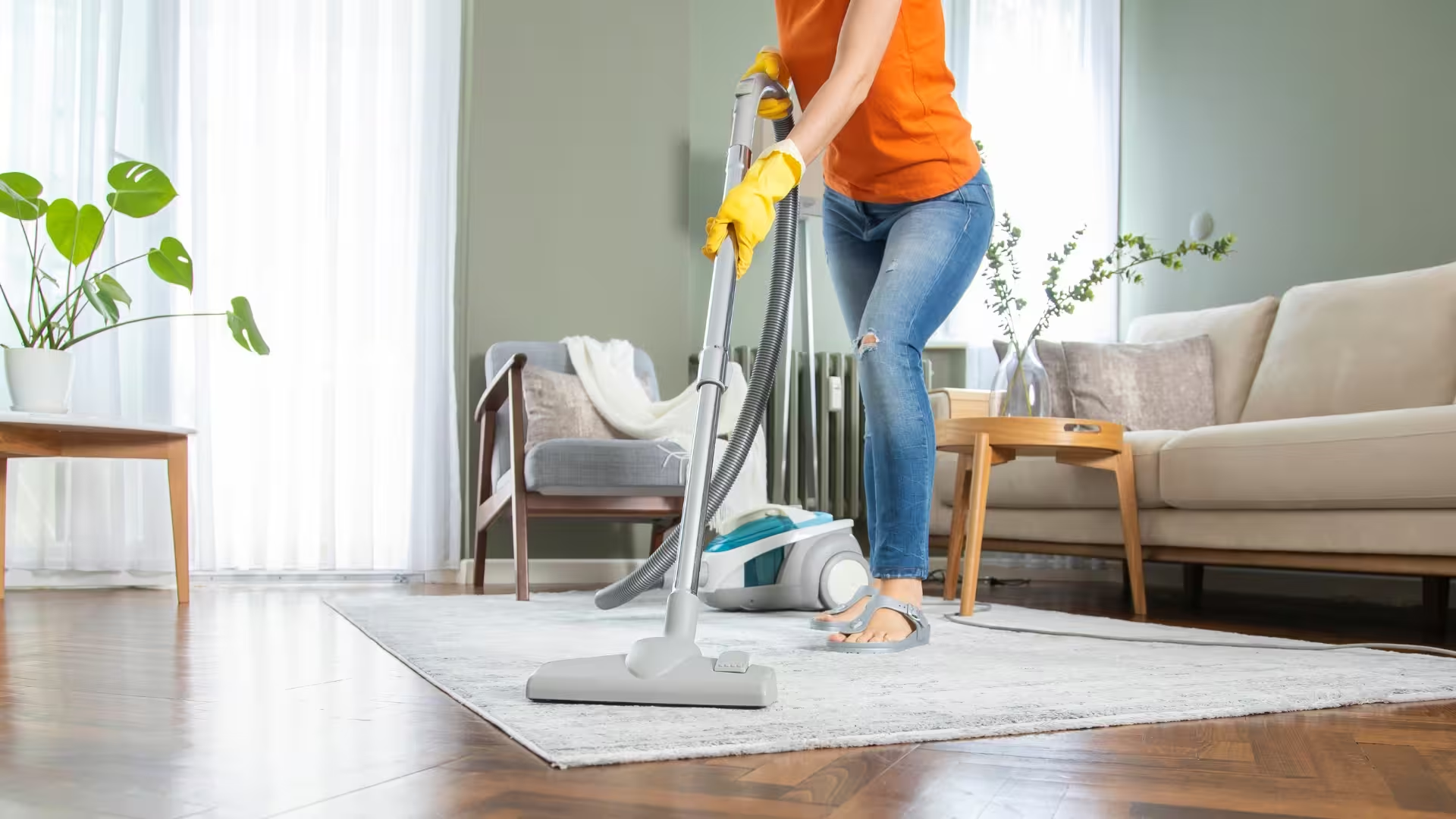
Some of the safest cleaning results come from simple, effective tools. A high-quality vacuum removes fur, dander, sand, and debris before they are ground into rugs or upholstery. Microfiber cloths capture dust with less product, and a clean mop head prevents yesterday’s grime from being spread across today’s floor.
For homes with dogs that track in sand or yard debris, vacuuming or dry mopping before wet mopping is especially useful. Otherwise, wet grit can become an abrasive slurry that dulls flooring over time. In a humid climate, thoroughly drying floors also helps prevent slippery surfaces and keeps moisture from lingering in corners.
Respect Product Directions and Dry Times
More cleaning solution does not equal a cleaner home. Concentrated formulas are designed to be diluted, and adding extra can leave residue on tile, laminate, sealed wood, and other common household surfaces.
Keep pets out of the room while a surface is being cleaned. Once the floor, counter, or upholstery is dry and the area has aired out, normal activity can resume. If your pet has respiratory sensitivities, is very young, is elderly, or has a medical condition, a lower-fragrance approach and extra ventilation are sensible precautions.
Ingredients and Habits Worth Watching
No one wants to become a chemist before cleaning the bathroom. Still, a few practical guidelines can help pet owners make better choices.
Strong artificial fragrances can be bothersome for pets and people alike, especially in small rooms with limited airflow. Fragrance-free or lightly scented products are often a comfortable choice for regular use. Essential oils also deserve caution. “Natural” does not automatically mean pet-safe, and concentrated oils can be irritating or toxic to certain animals, particularly cats.
Bleach, ammonia, and other powerful products may be appropriate for specific jobs when used exactly as directed, but they are not a default answer for every surface. Never mix cleaning products. Combining certain products can create dangerous fumes, and the risk is not worth taking in any home.
The same care applies to storage. Keep concentrates, sprays, pods, and powders secured in a closed cabinet. Curious pets can chew bottles, lick leaks, or mistake colorful products for toys. If a spill occurs, clean it promptly and prevent access until the area is completely dry.
Focus on the High-Impact Pet Areas
A pet-friendly home benefits from a cleaning routine that follows how your household actually lives. The most important areas are not always the ones that look the dirtiest at first glance.
Feeding stations should be wiped regularly, with bowls washed often and the surrounding floor cleaned to remove crumbs and splashes. Water bowls can leave mineral rings and damp spots, so a quick dry around the area helps protect flooring and discourages odors.
Pet beds and blankets need regular laundering according to their care labels. Washing textiles removes fur, dander, body oils, and outdoor allergens that vacuuming alone cannot reach. Between washes, vacuuming pet beds and upholstered furniture helps keep fur from migrating through the house.
Litter box zones require dependable attention. Scoop frequently, clean the surrounding floor, and use a product appropriate for the surface. Avoid strong fragrances near the box, since cats may reject an area that smells unfamiliar or overpowering. For accident cleanup, an enzyme-based product designed for pet messes can be helpful because it addresses the organic material behind lingering odors. Always allow the area to dry before letting pets return.
Entryways are another high-value zone. A washable mat inside and outside the door can catch a surprising amount of sand, grass, and moisture. Wiping paws after walks is a small habit that protects floors and reduces the amount of cleaning needed later.
When Professional Help Makes Sense
Routine cleaning can stay manageable until life gets busy, guests are coming, a move is underway, or a renovation leaves behind fine dust. That is when a professional team can make a real difference, especially if you want the home cleaned thoroughly without guessing which products or methods are appropriate around your pets.
When booking a cleaning service, let the team know that you have animals in the home. Share where pets will be during the appointment, any areas that need special attention, and whether your household is sensitive to fragrance. A clear conversation allows the cleaning scope to reflect your home rather than a one-size-fits-all checklist.
For example, a deep clean may be the right fit when pet hair has built up behind furniture, baseboards need attention, or kitchen and bathroom surfaces need a more detailed reset. Recurring service is often better for households that want to stay ahead of fur, paw prints, and everyday buildup without spending each weekend catching up.
Go Cleaning Maids provides tailored residential cleaning with eco-friendly, pet-safe product options, so families can choose a service scope that supports both a polished home and everyday peace of mind.
A Cleaner Home Should Feel Comfortable for Everyone
The best cleaning routine is one you can maintain. It does not need to rely on harsh odors to feel effective, and it does not need to turn every small mess into a major project. Consistent vacuuming, low-residue floor care, targeted disinfection, clean textiles, and thoughtful product use can make a noticeable difference in how your home looks, smells, and feels.
Your pets are part of the household, not an obstacle to having a beautifully maintained space. Give them a clean, dry place to stretch out, and give yourself the relief of coming home to floors, furniture, and rooms that feel genuinely cared for.