The last box is taped, the keys are nearly due, and suddenly every smudge on the baseboard feels expensive. That is why move out cleaning for renters deserves more than a quick vacuum and a bag of trash by the door. A thoughtful final clean can help support a smoother inspection, protect your security deposit, and leave the home in respectful condition for its next resident.
The goal is not to make a well-lived-in apartment look brand new. Normal wear is different from dirt, buildup, and damage. Your job is to return the home in the condition required by your lease, minus ordinary use. The best way to do that is to clean with the inspection in mind, not just what looks noticeable at a glance.
Start With Your Lease and Your Move-Out Checklist
Before buying supplies or booking help, read the move-out section of your lease. Many landlords and property managers give specific instructions for floors, appliances, blinds, patios, bathrooms, and trash removal. Some require receipts for carpet cleaning, pest control, or other services. Others prohibit certain products on stone counters, wood floors, or stainless steel appliances.
Take photos of each room before you begin. Capture the overall space as well as details such as appliance interiors, sinks, tubs, floors, and closet shelving. Then take a second set after cleaning. Clear photos with date information can be useful if there is a question about a deposit deduction later.
It also helps to separate cleaning from repairs. Small nail holes, burned-out bulbs, or a loose cabinet handle may be easy to address, depending on your lease. A cracked tile, water damage, or a broken blind is a different matter. Cleaning cannot solve damage, and trying to hide it can create more trouble during the final walk-through.
What Move Out Cleaning for Renters Should Cover
A proper move-out clean goes beyond the surfaces used every day. Once furniture and décor are gone, areas that were hidden for months become obvious: dust behind the bed, crumbs in drawer tracks, residue on shelves, and grime around toilet bases.
Kitchen: Focus on Grease, Crumbs, and Appliances
The kitchen is often the most closely inspected room because buildup collects quietly over time. Begin by removing everything from cabinets, drawers, and the refrigerator. Vacuum loose crumbs from drawer tracks and wipe interiors with a safe, non-abrasive cleaner. Do not forget cabinet fronts, handles, backsplash grout, and the space beneath removable stovetop burners or trays.
The oven can be the deciding detail. If your lease calls for a cleaned oven, tackle it early because degreaser or oven cleaner may need time to work. Follow the appliance manufacturer’s guidance, especially for self-cleaning ovens. Clean the microwave inside and out, wipe the dishwasher filter area if accessible, and empty the refrigerator completely. Once it is clean and dry, leave the door slightly open if the unit will be turned off to prevent odors.
Bathrooms: Remove Mineral Buildup and Soap Film
South Florida water and humidity can make bathroom buildup especially stubborn. Soap film on shower glass, mineral spots around fixtures, mildew at caulk lines, and dust on exhaust vents are easy to miss until the room is empty.
Use products appropriate for the surface, and avoid mixing cleaners. Clean from high to low: vent cover, light fixture, mirror, counter, sink, toilet exterior and interior, then shower or tub. Finish with the floor and the corners behind the toilet. A fresh shower curtain may be worth replacing if yours is discolored or worn, but check whether it belongs to you or the property first.
Bedrooms and Living Areas: Empty Means Truly Empty
A room is not ready simply because the furniture is gone. Wipe ceiling fan blades, vents, switch plates, door frames, window sills, blinds, closet shelves, and baseboards. Check walls for adhesive strips, tape residue, and scuff marks. Use a gentle approach first, since aggressive scrubbing can remove paint and turn a cleaning task into a repair issue.
Vacuum slowly along baseboards and inside closets before mopping hard floors. For carpet, move in overlapping passes and treat visible spots according to the carpet type. If pets lived in the home, pay extra attention to hair under radiators, along edges, and in closet corners. Odor is harder to identify when you have lived with it, so ask a trusted friend to give the empty home a quick, honest check.
Don’t Overlook Outdoor and Utility Spaces
If your rental includes a balcony, patio, garage, storage closet, or laundry area, include it in your plan. Sweep outdoor areas, remove personal items, and wipe down accessible surfaces. Empty the lint trap and clean around the washer and dryer if those appliances are part of the rental.
For windows, clean interior glass and tracks when required, but do not take unnecessary risks trying to reach exterior upper-story windows. Safety matters more than a spotless pane. A professional service may be the smarter choice for difficult exterior glass, high ceilings, heavy buildup, or spaces that require specialized equipment.
A Practical Order That Saves Time
Cleaning an empty rental is faster when you avoid redoing work. Start with packing and removing belongings, then collect trash and donations. Clean the highest areas first, including fans, vents, and shelving, so falling dust is handled when you vacuum and mop later.
Work room by room, but save floors for the end. Complete dry tasks such as dusting and vacuuming before wet tasks such as wiping counters and mopping. Keep one small box or tote with your final-clean supplies, paper towels, trash bags, gloves, and chargers so you are not hunting through packed boxes on moving day.
Leave yourself more time than you think you need. A one-bedroom may be manageable in a focused day if it has been maintained regularly. A larger home, a home with pets, or a kitchen with grease buildup can take substantially longer. If your move involves work deadlines, children, elevators, or a long-distance handoff, trying to do everything in the final few hours can lead to missed details.
When Professional Cleaning Is Worth It
Hiring a professional is not required for every move, but it can be a practical investment when the scope is larger than your available time. It is particularly useful when you need an oven, refrigerator, cabinets, detailed bathrooms, baseboards, blinds, and floors handled in one coordinated visit.
The key is to be clear about what is included. A standard cleaning and a move-out cleaning are not always the same service. Ask whether the scope covers inside appliances, inside cabinets and drawers, interior windows, blinds, patios, wall spot cleaning, and heavy buildup. These are often add-on-level details, and assumptions can lead to disappointment on either side.
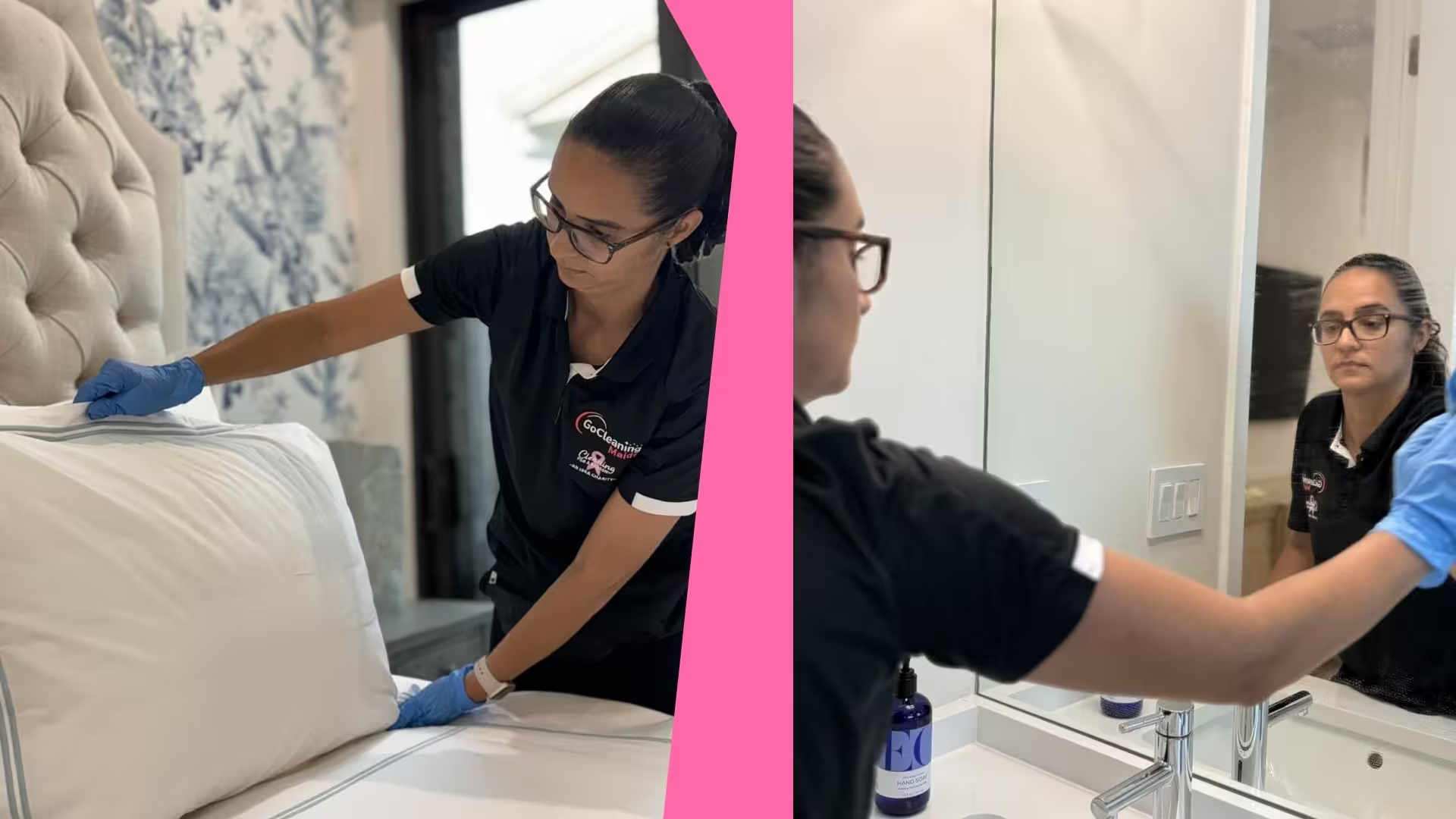
For renters in Broward County and nearby Palm Beach County communities, Go Cleaning Maids can tailor a move-in or move-out service to the home and the details your lease requires. A licensed and insured team, eco-friendly and pet-safe product options, and a clear service scope can provide welcome peace of mind during an already busy transition.
Common Deposit-Losing Mistakes to Avoid
Most missed cleaning items are not dramatic. They are the small places that do not get daily attention. Before returning keys, take one final walk-through with the lights on and look at the home from the perspective of someone seeing it for the first time.
Pay close attention to these commonly overlooked areas:
- Food residue in the oven, microwave, refrigerator drawers, and dishwasher
- Dust on fan blades, vents, blinds, baseboards, and closet shelves
- Hair and buildup around drains, toilet bases, and shower tracks
- Grease on cabinet fronts, range hoods, and backsplash surfaces
- Trash, belongings, or debris left in patios, storage spaces, and garages
Also avoid masking odors with strong sprays. Air out the home, remove trash, wash soft surfaces when appropriate, and address the source of the odor. A heavily fragranced room can suggest that something is being covered up rather than cleaned.
Give Yourself a Calm Final Hour
The best final inspection is not rushed. Schedule your cleaning before the handoff when possible, keep your photos and lease checklist accessible, and take all personal items with you. If the landlord offers a walk-through, attend it and ask for clarification about any concern while you are still there.
A clean, empty rental is more than a deposit task. It is a respectful close to one home and a calmer beginning to the next. Whether you handle it yourself or bring in experienced help, give the details the time they deserve so you can hand over the keys with confidence.